Where the Emerald Cut Sits in 2026
Step cuts define the year, and the emerald leads them — a cultural pull toward clean lines, Art Deco revival, and quiet architectural luxury over maximum sparkle. The broad, open table gives an emerald more apparent size than a round of the same carat. The long emerald — higher length-to-width ratio for a more dramatic line — is in real demand and shorter supply, keeping well-cut long stones at a premium. Because the emerald hides nothing, the gap between a clean, well-made stone and a flawed one is enormous and immediately visible — well-cut, eye-clean emeralds hold value; poorly chosen ones are hard to move.
What GIA’s Report Covers — and What It Doesn’t
GIA issues no cut grade for emerald, and unlike marquise, oval, and pear, it isn’t in the 2027 fancy-shape cut-grade rollout — there’s no grade coming on the horizon. Polish, symmetry, measurements, and depth are on the report. For a step cut, where the clarity grade tells you what’s present but not how visible it is through open facets, seeing the stone is non-negotiable.
What Actually Matters When You’re Buying an Emerald Cut
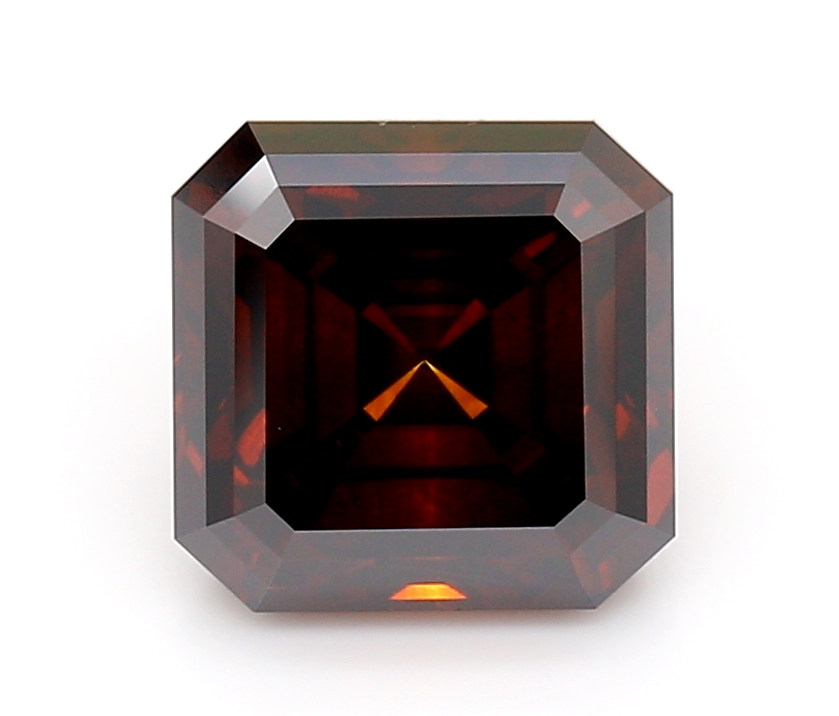
Clarity, read through the facets — the whole game. Open step facets are windows; inclusions have nowhere to hide, and an emerald needs eye-clean verification, not just a grade. Colour shows more — body colour is revealed at the corners and along the table, which is why a slightly higher colour grade often pays. Even, parallel step facets — irregular steps break the hall-of-mirrors reflection and read as poorly made. The corners — should be even and symmetrical on all four. Windowing risk — cut too shallow for weight, an emerald goes flat with a dead centre. Length-to-width ratio — roughly 1.30 to 1.50, with the longer end currently fashionable and in shorter supply.
Certified Single Stones
For solitaires and centrepieces, we supply GIA-certified natural emerald cuts across sizes, colours, clarities, and ratios — each eye-clean-verified through the facets, not selected on the clarity grade alone.
Loose Parcels and Calibrated Goods
Category | Range We Supply |
Small/melee goods | Calibrated small emerald-cut goods through melee |
Pointers | 18 to 99 points (0.18–0.99 ct) |
One carat and up | Certified and non-certified loose parcels |
Clarity | FL to I1 |
Colour | D to Z |
Consistent make, even step faceting, and eye-clean selection through the parcel.
Matched Pairs
Exacting in a step cut — matching clarity character and how each stone reads through its facets, on top of outline, ratio, colour, and fluorescence. Two emeralds at the same clarity grade can show very different things through the table. We match every pair in person, eye-clean, before either stone is confirmed.
Shades and Coloured Diamonds
TTLB and other light-brown shade goods need careful selection in this shape since open facets show colour — but well-chosen goods face up well, especially in yellow gold, at real discount to D-Z stones. Natural coloured-diamond emerald cuts, yellows above all, frame and deepen colour into one of the most elegant looks in coloured diamonds.
Pricing
Emerald trades 25-35% below round per carat, though the net saving is smaller — typically 15-25% — once you buy the clarity the shape demands. The spread runs on clarity, make, and ratio; a clean, eye-clean stone at an in-demand ratio sits well above a flawed or flat one grading the same. We price against current market conditions and tell you plainly when a low number reflects a compromise you’ll see in the stone.


.png)