Why Natural Pink Diamonds Are the Colour Everyone Wants
Pink is the most emotionally compelling colour in the natural diamond trade — the colour every jeweller wants to work with, the one clients ask for by mood and by photograph, and demand is only deepening. What’s also true is that pink is the most technically demanding natural coloured diamond we source, not despite its popularity but partly because of it. When a colour becomes this aspirational, the temptation to satisfy a brief with something close enough rises, and close enough is exactly where pink diamonds go wrong.
Why Pink Diamond Supply Has Tightened Since Argyle’s Closure
Pink diamonds have occupied a unique position since the Argyle mine in Western Australia closed in 2020 — the source of roughly ninety percent of the world’s pink diamond supply for four decades. Argyle pinks were small, intensely saturated, and produced in a colour range unlike anything sourced elsewhere. When the mine closed, it didn’t just reduce supply — it removed the reference point the entire market had been pricing against. Genuine pink diamond supply is tighter now than at any point in the modern jewellery era, and comparative pricing from before 2020 should be treated as unreliable.
Why Two Identically Graded Natural Pink Diamonds Can Face Up Differently
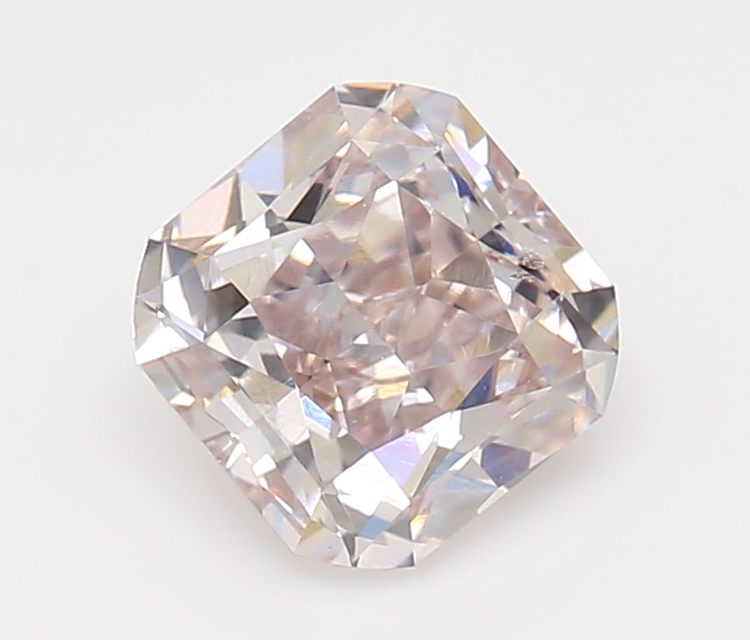
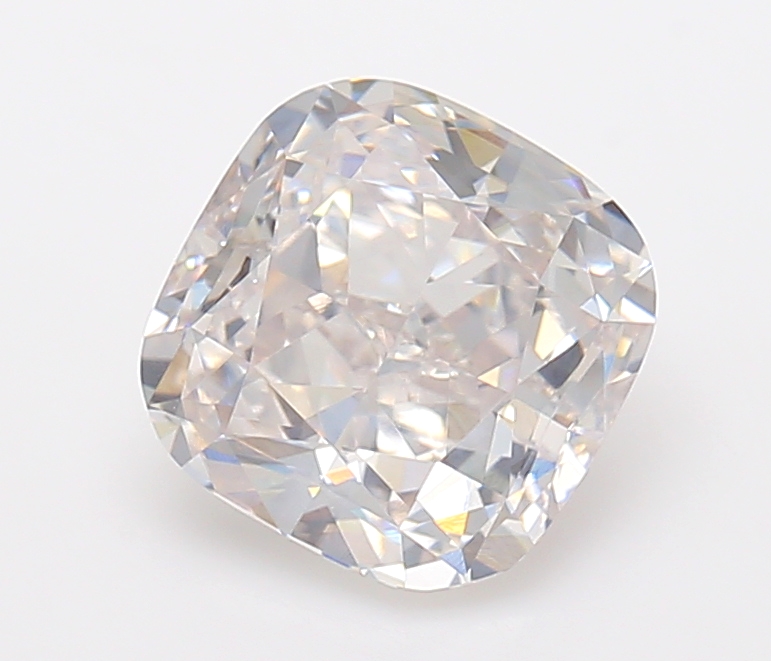
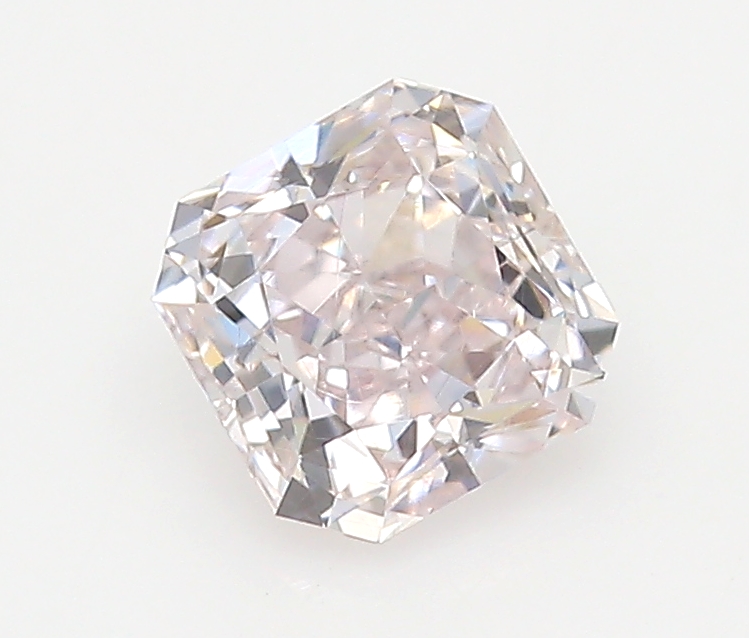
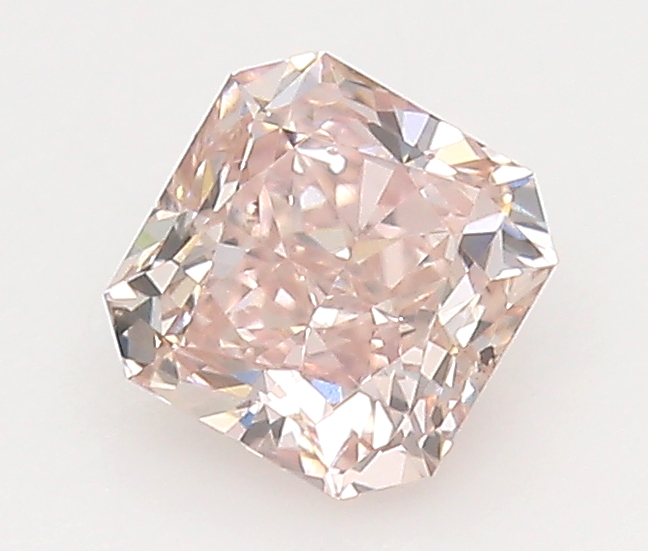
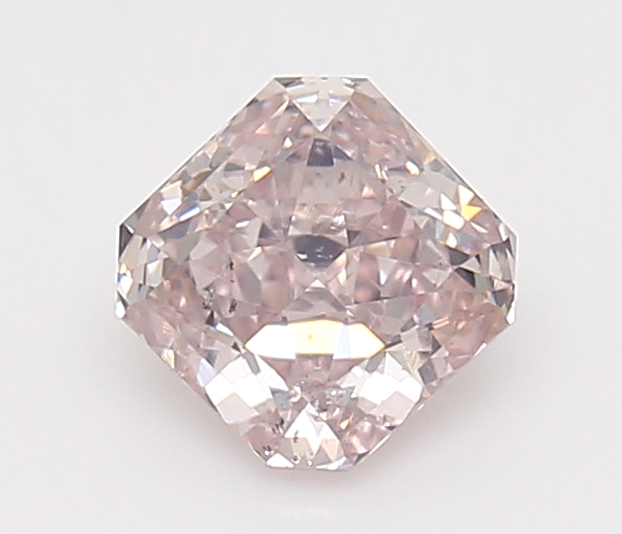
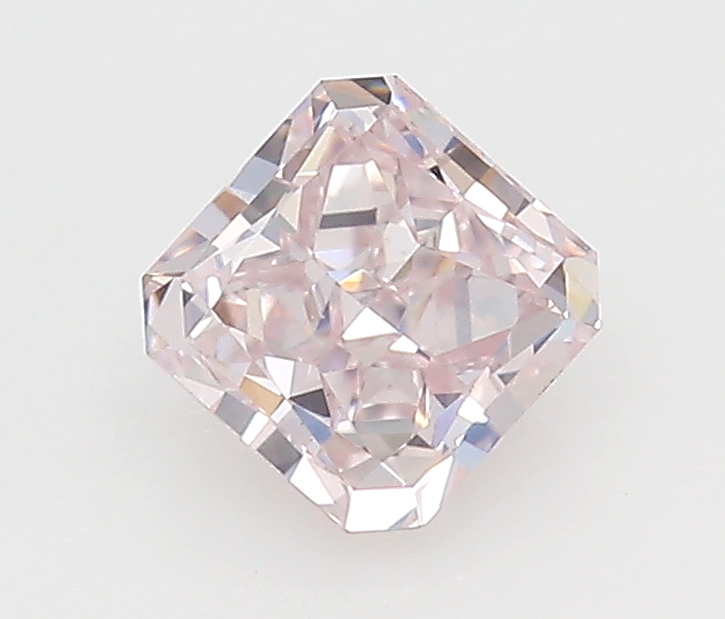
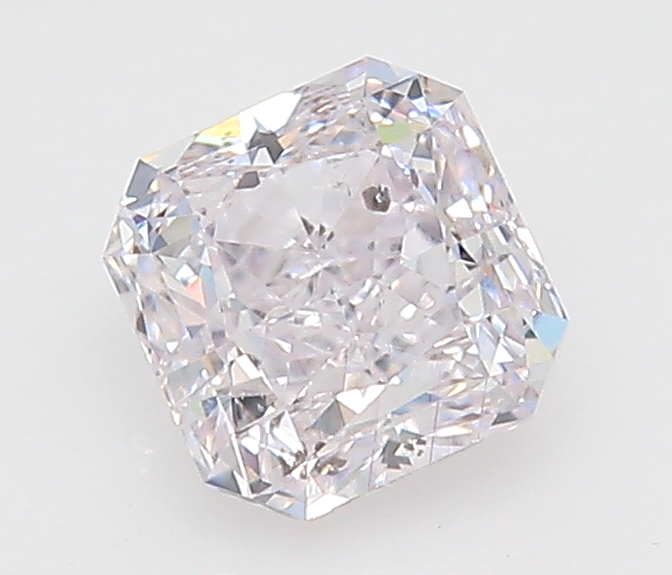
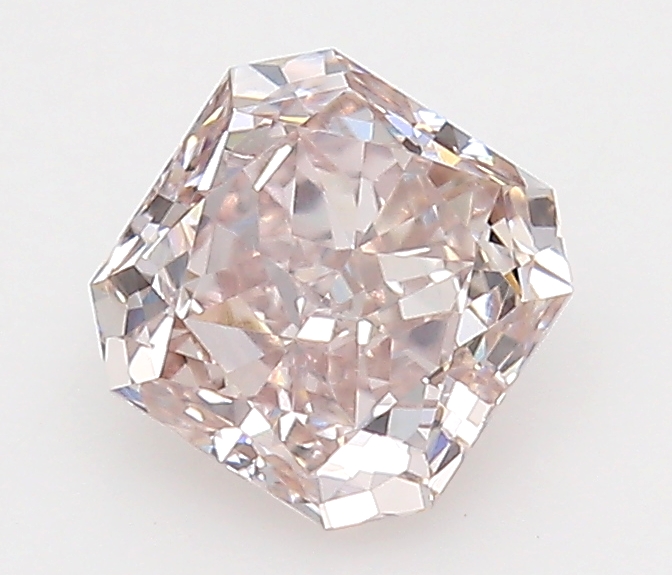
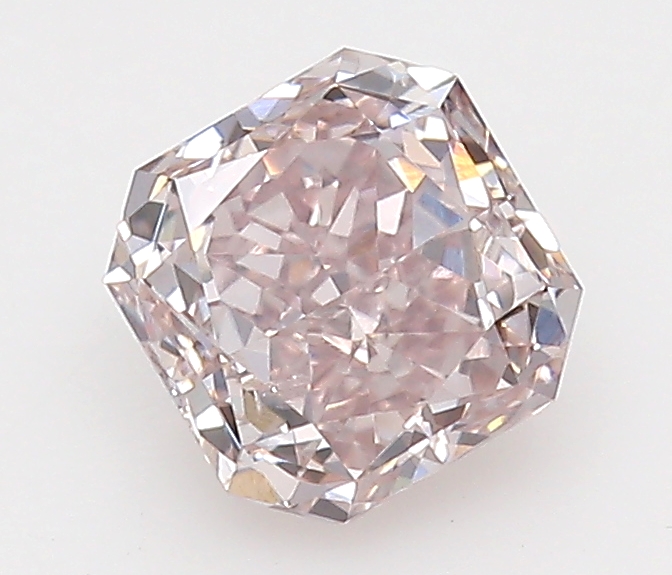
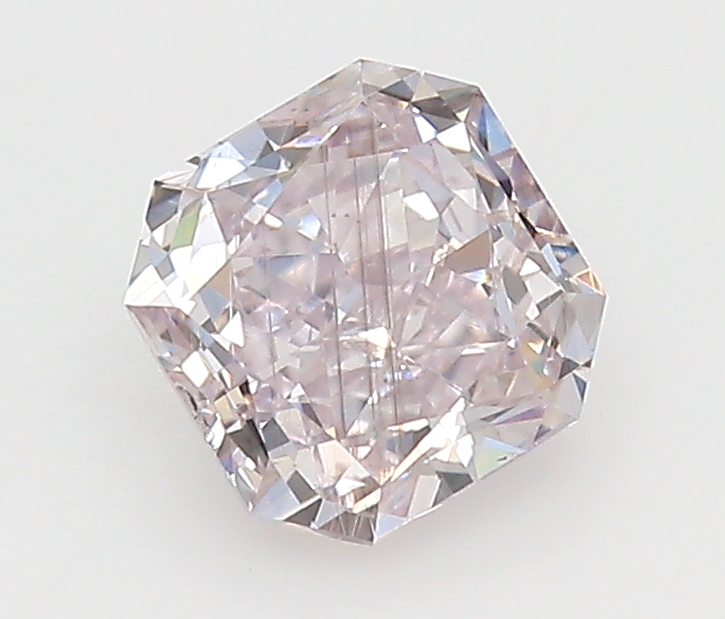
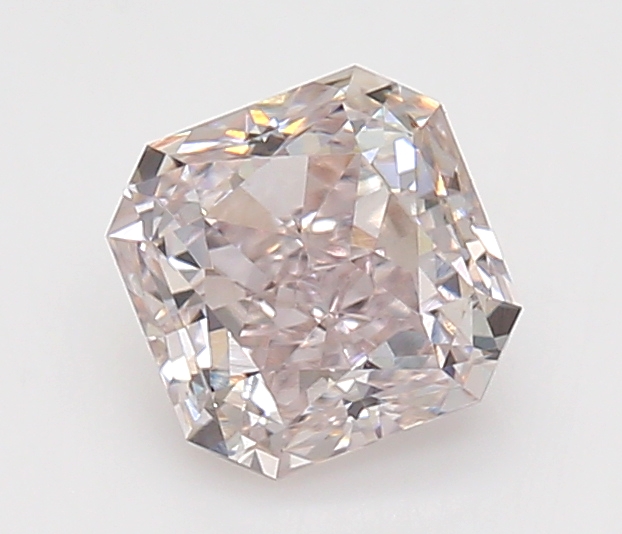
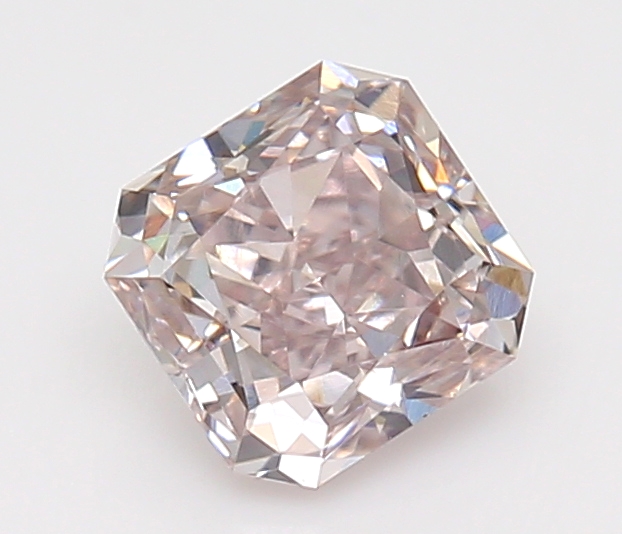
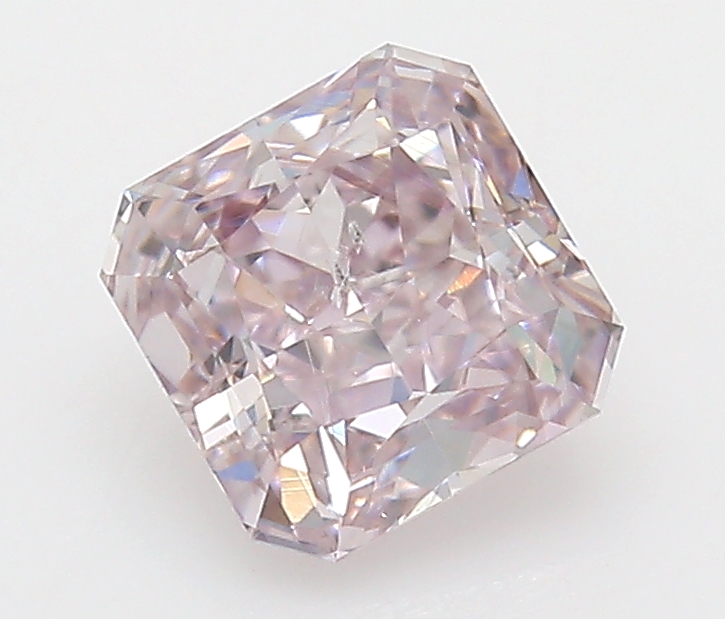
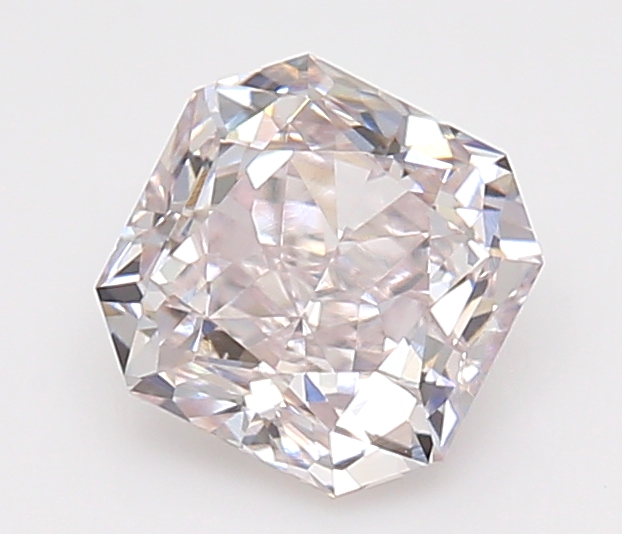
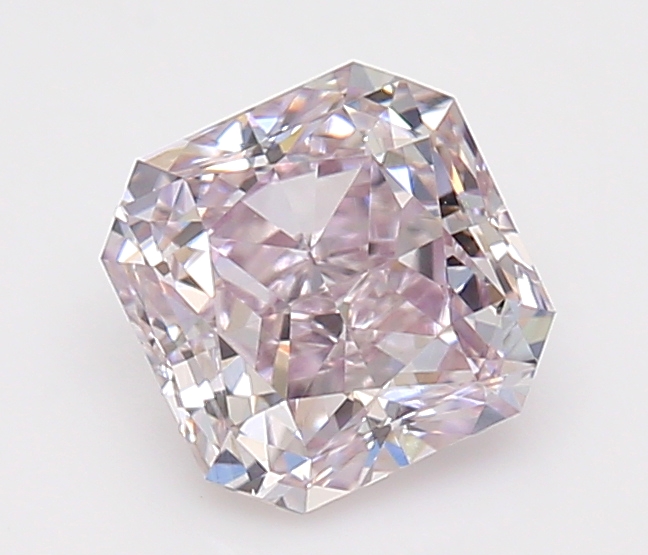
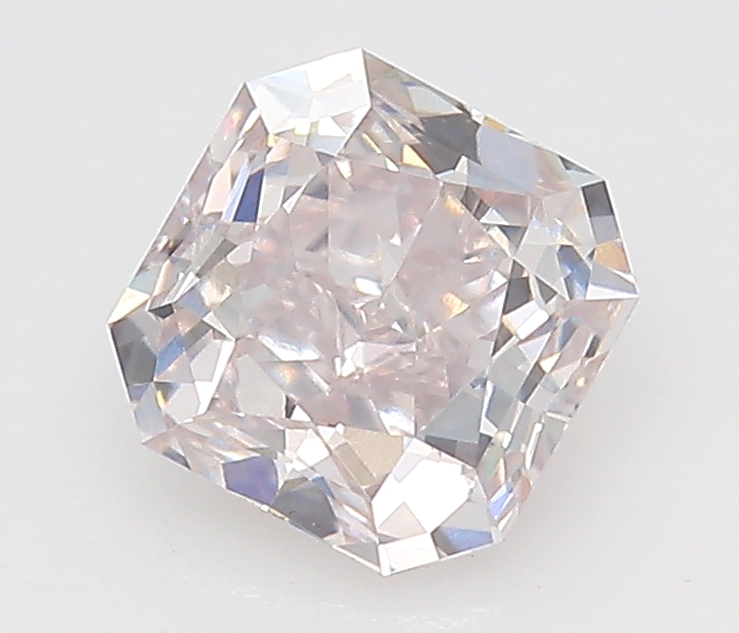
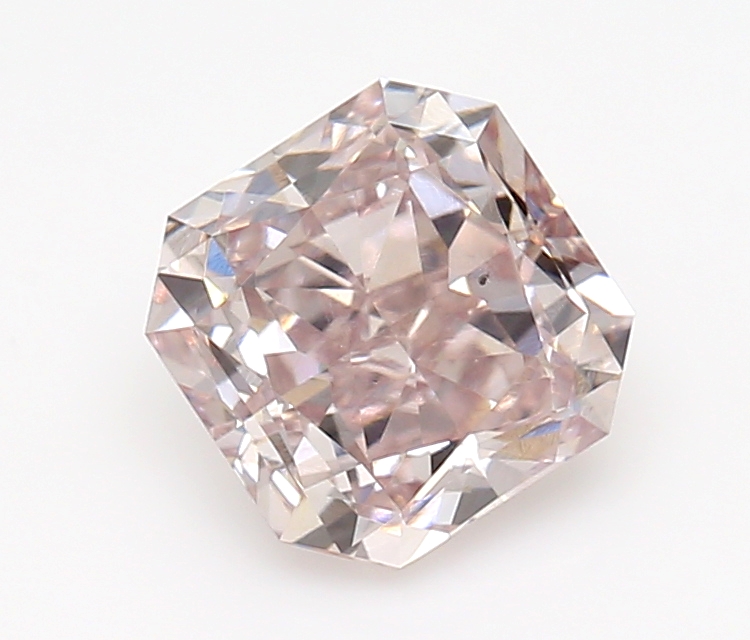
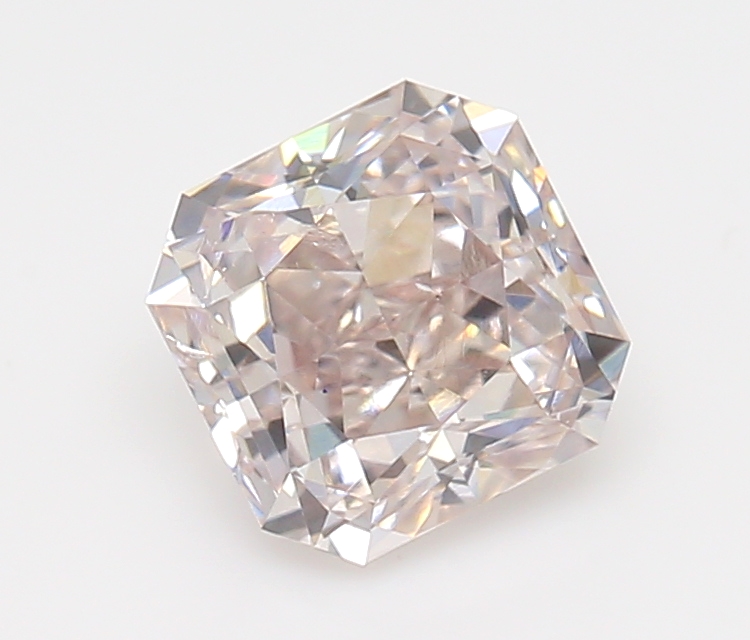
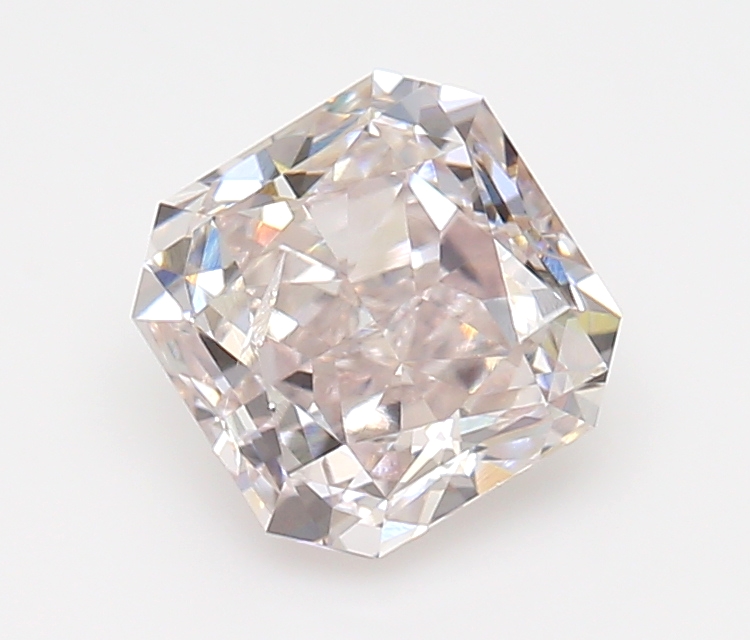
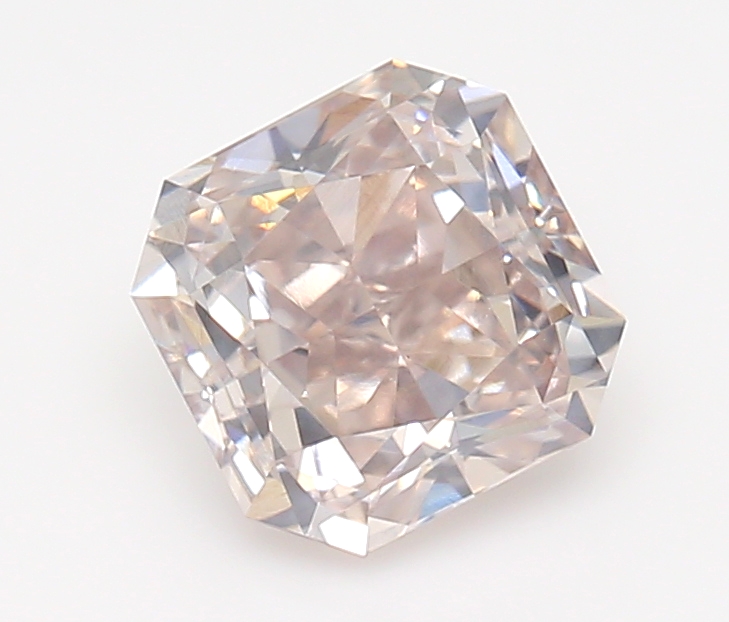
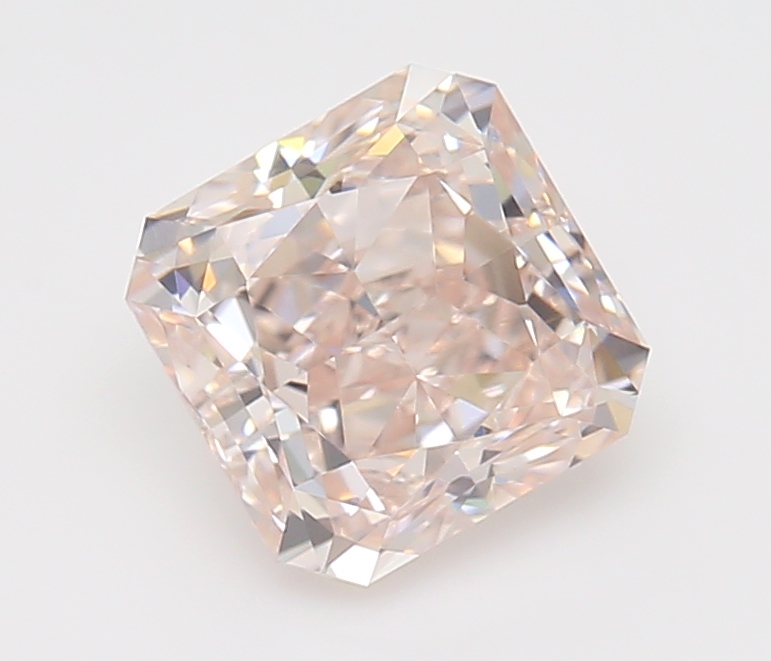
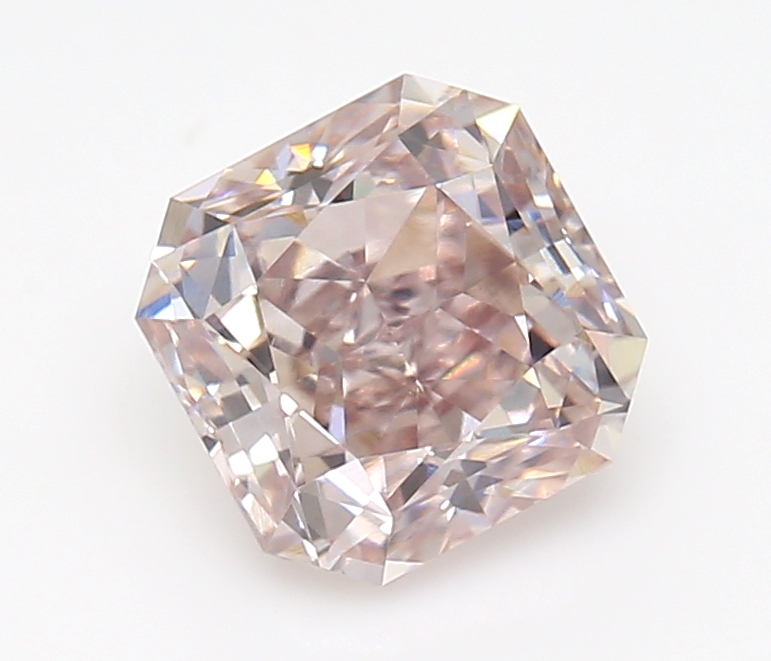
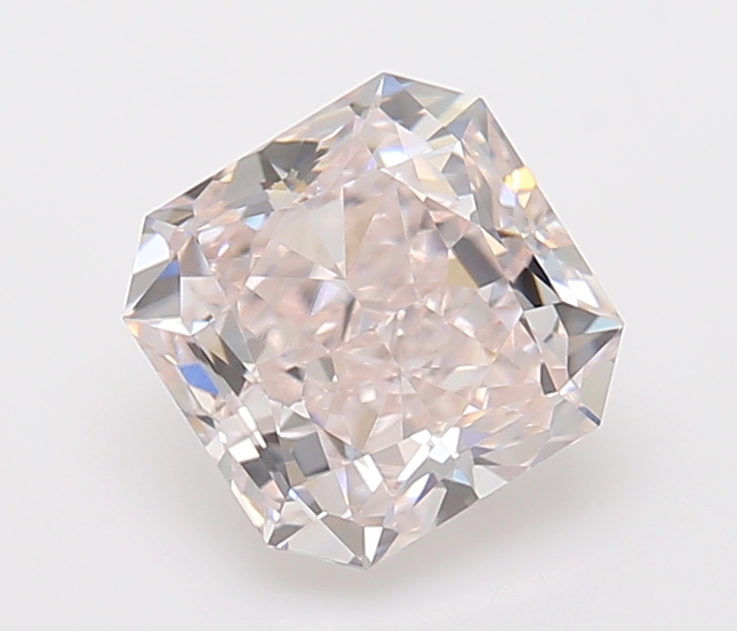
Pink colour in diamonds is believed to result from distortion of the crystal lattice under geological pressure — a structural phenomenon rather than a chemical one, which means it distributes through the rough differently to nitrogen-caused colours like yellow. This makes pink uniquely sensitive to viewing angle: a stone evaluated under one light source and orientation can shift perceptibly once mounted and tilted in a finished piece. A dealer who has physically rotated the stone under multiple light sources gives a far more complete picture than a certificate grade alone ever can.
Secondary Hue and Pricing in Natural Pink Diamonds
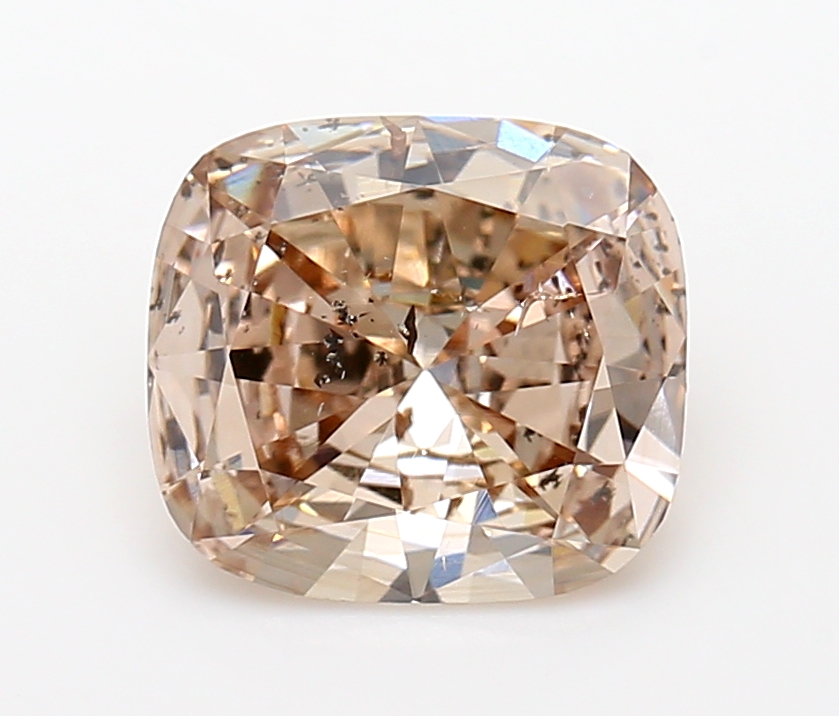
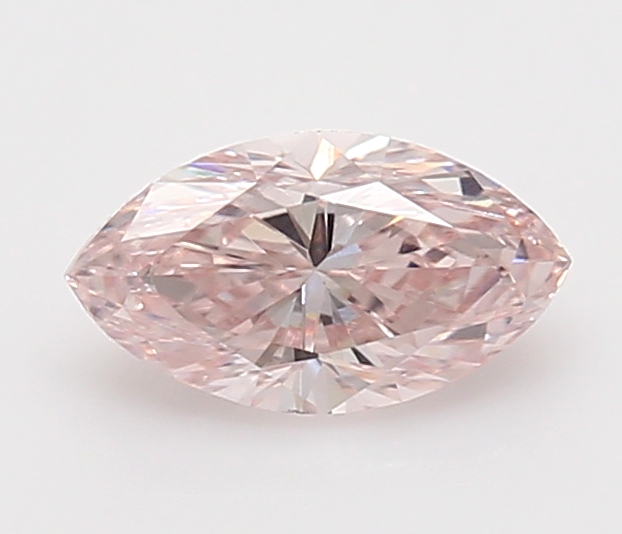
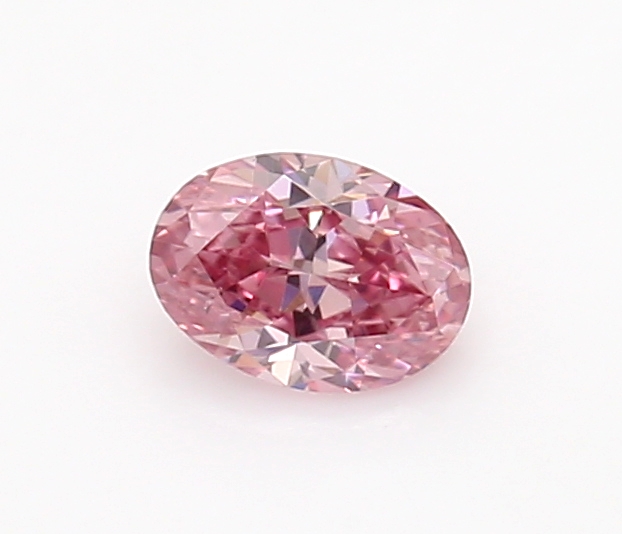
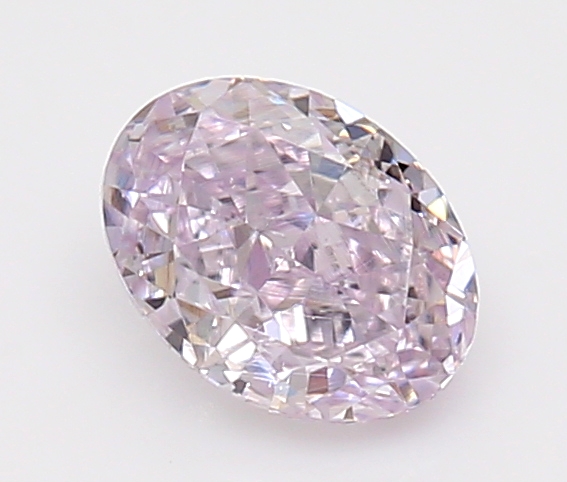
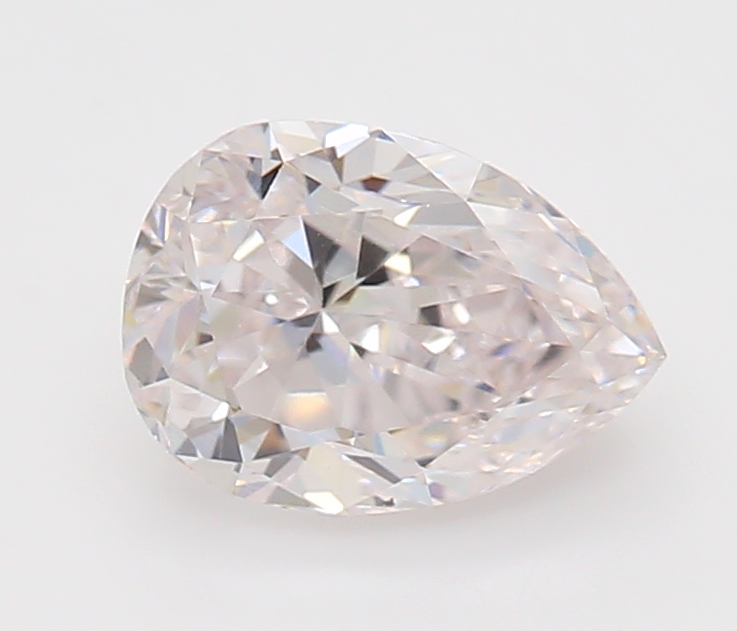
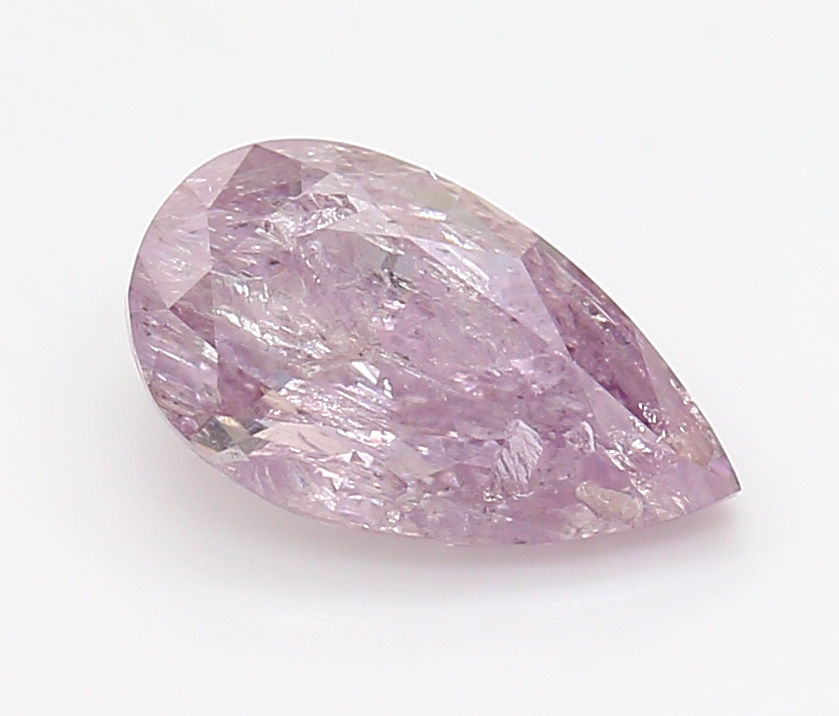
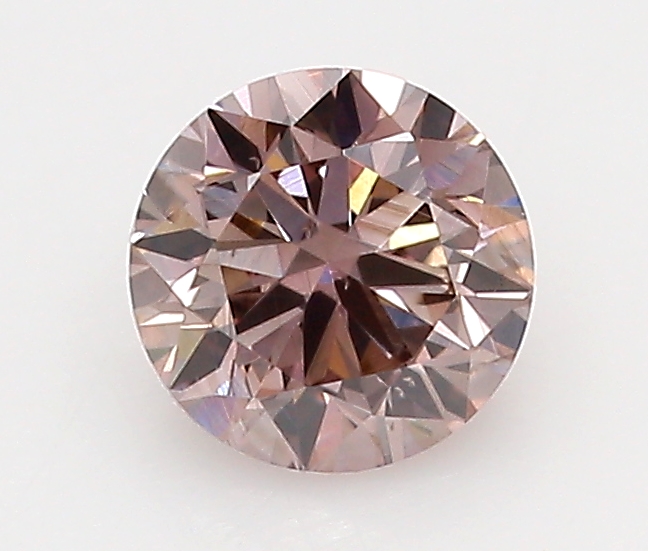
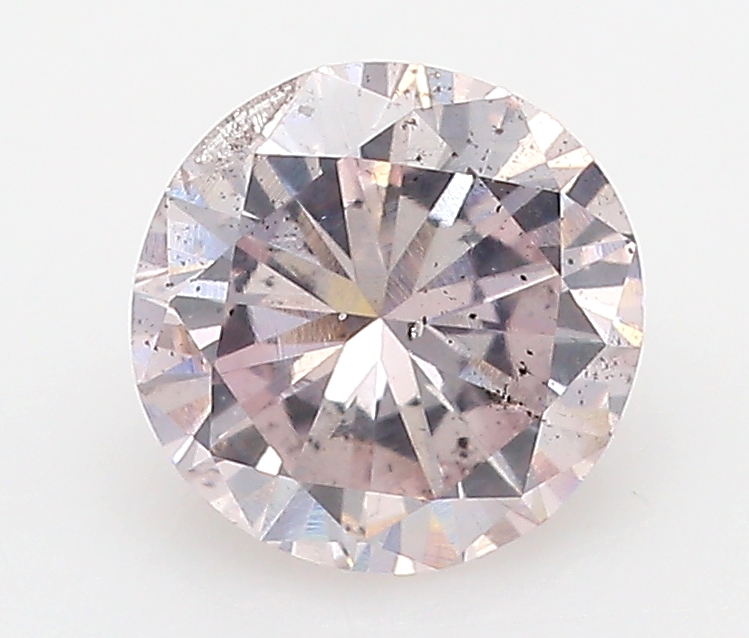
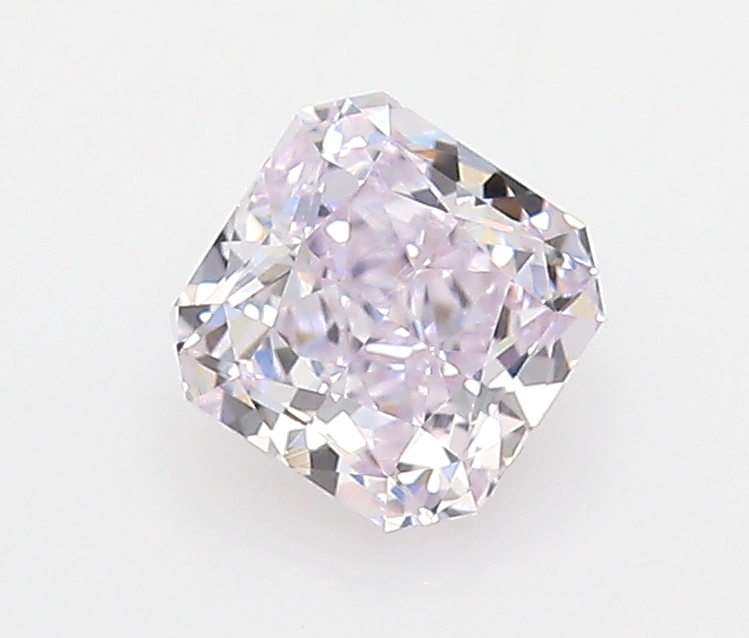
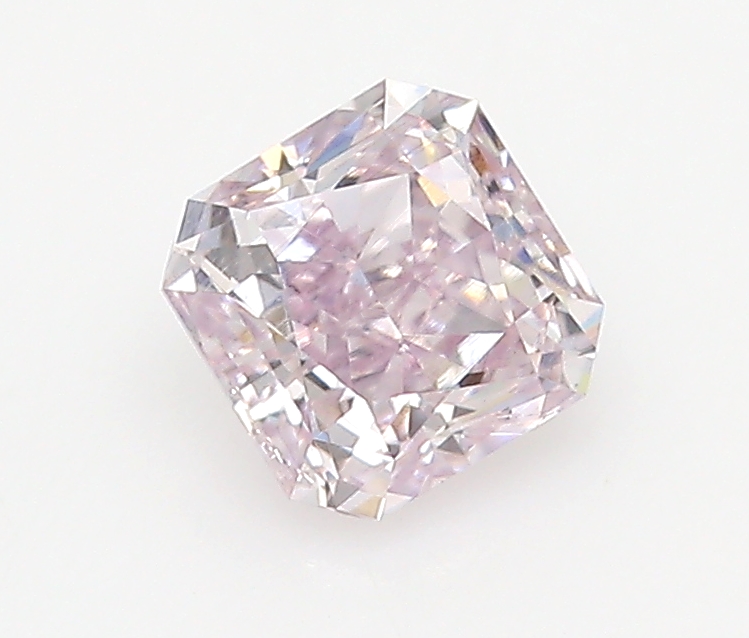
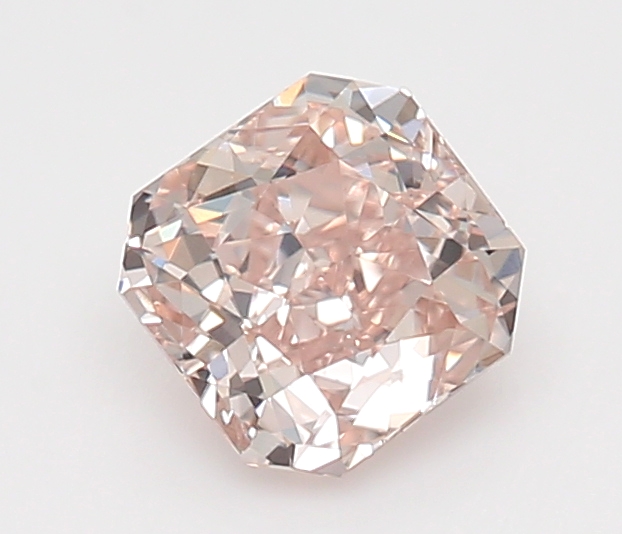
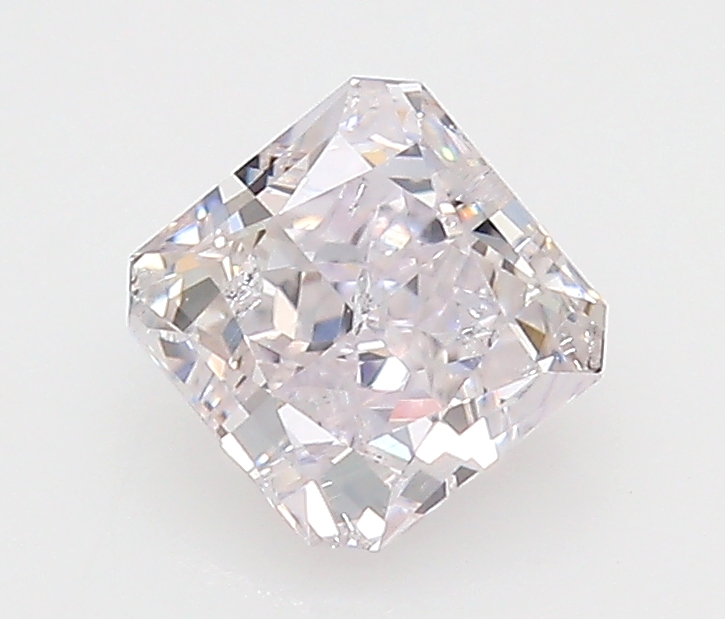
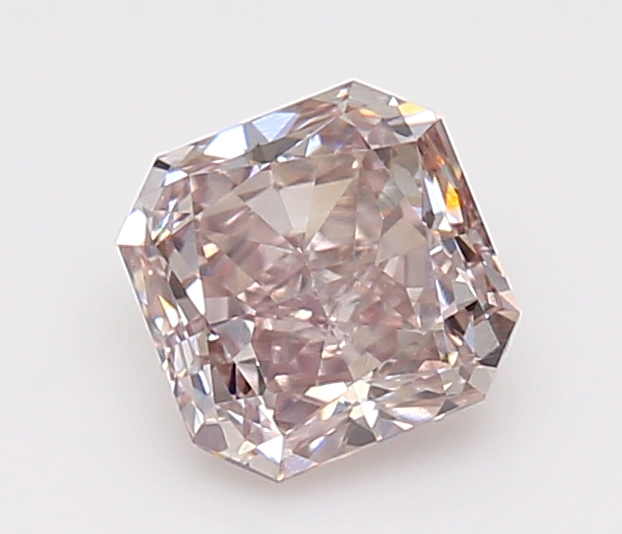
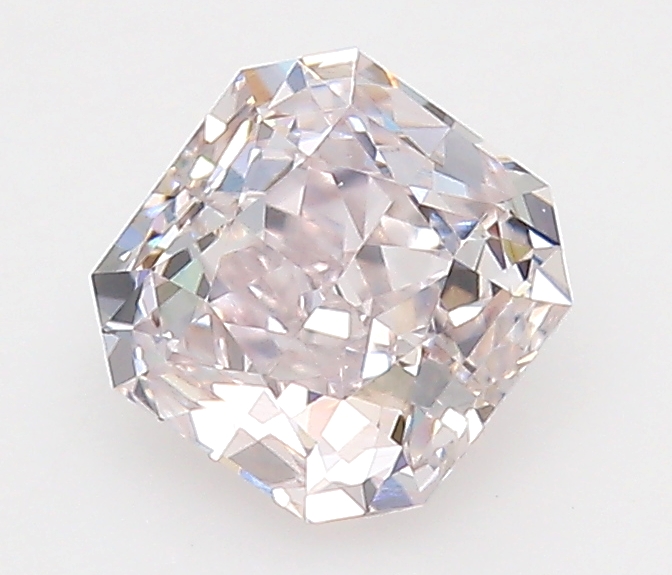
A pure, straight pink with no secondary hue is the rarest and most valuable expression of the colour — and the majority of pink diamonds graded carry a secondary modifier. Purplish pink carries strong demand in specific Asian markets and among collectors who value the added depth. Orangey pink — the salmon tone the Argyle mine produced in volume — sits differently again. Brownish pink can face up beautifully in yellow gold, where the warmth is lifted, but reads as a compromise in white metal. Knowing which modifier a stone carries, and which setting context it suits, is information a dealer forms in hand, not from a report.
Why Cut Performance Matters So Much in Natural Pink Diamonds
Pink diamonds are cut to maximise face-up colour, not brilliance — the correct priority for a coloured stone, but one that produces a different evaluation standard than colourless diamond cutting. A pink cut to concentrate colour through the table faces up richer and more saturated than one of the same grade cut to retain carat weight from the rough. Both may grade identically. Only one looks as valuable as the certificate suggests.
Matching Pink Diamond Pairs and Layouts
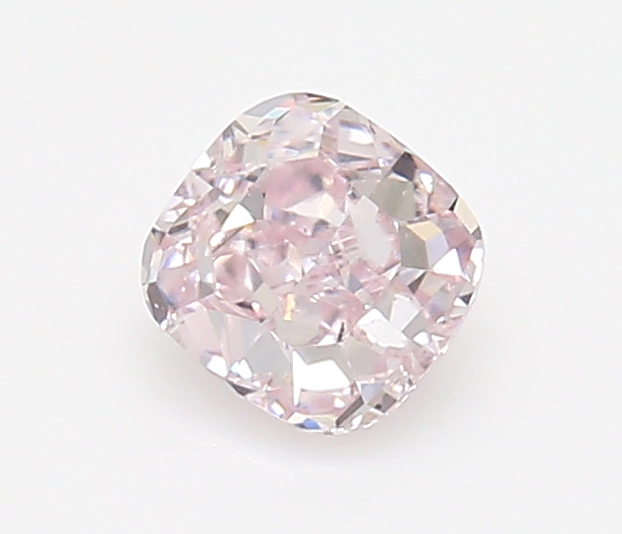
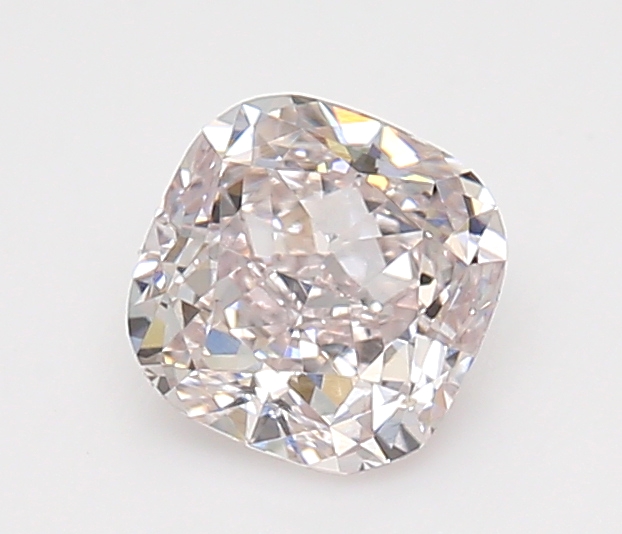
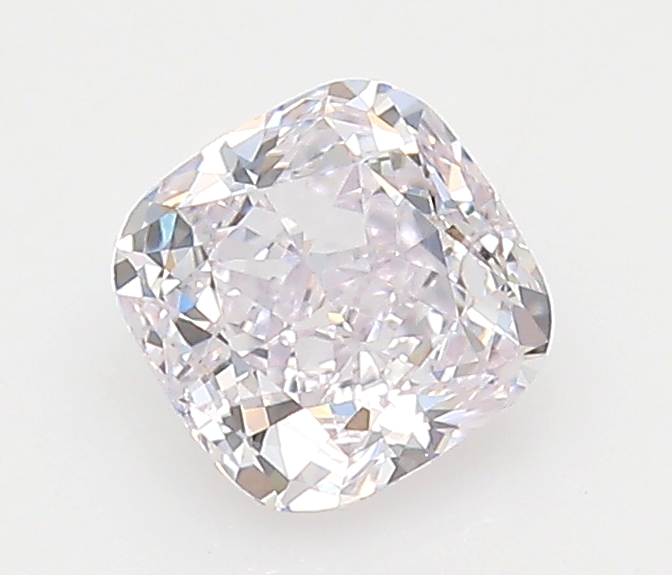
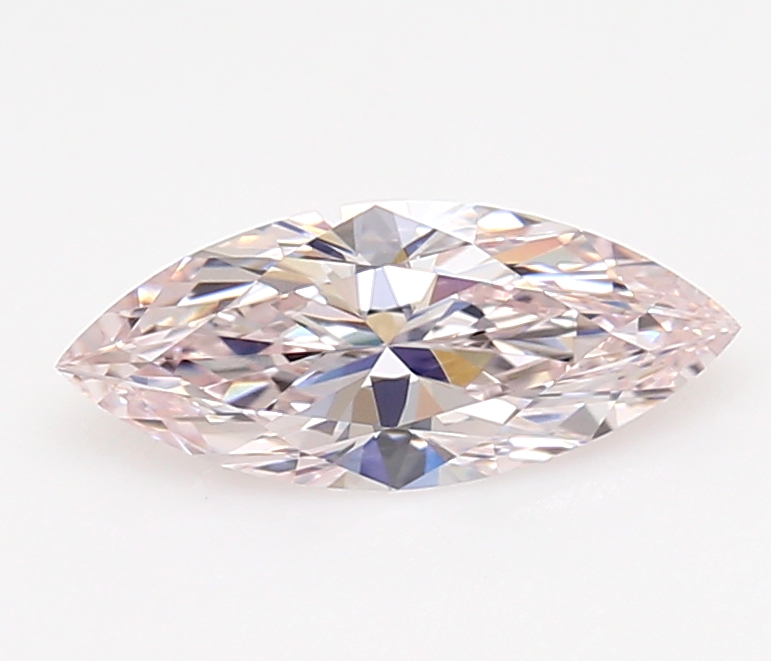
Matching pinks requires colour grade, secondary hue, face-up saturation, cut profile, and fluorescence to all be compared simultaneously, stone to stone, under one consistent light source. A Fancy Intense Pink with a faint purplish secondary will not match one with an orangey warmth, even at identical grades — and in drop earrings, at eye level, that mismatch is the first and only thing a discerning client notices.
At Raremonds, every natural pink diamond pair is matched in person, with grade, secondary hue, face-up saturation, and fluorescence assessed simultaneously before either stone leaves us. If two stones grade identically but don’t agree under the light, they don’t go out as a pair.



.png)