Why Natural Green Diamonds Are the Most Misunderstood Colour We Handle
Green generates more confusion than any other natural coloured diamond — not about whether people want it, but about what they’re actually looking at when they think they have it. Green diamonds are genuinely rare, genuinely beautiful, and complicated in a way no other fancy colour quite matches. Authentication alone sets green apart from everything else in this category, and that complexity rewards deep expertise more decisively than almost any colour we work with.
Why Authentication Is the Central Question in Natural Green Diamonds
Yellow gets its colour from nitrogen. Blue gets it from boron. Green is different again — its colour comes from natural radiation exposure, gamma rays or alpha particles from radioactive minerals in surrounding rock, irradiating the diamond over geological time. That process produces extraordinary natural colour. It also creates the defining challenge of this category: natural radiation exposure and laboratory irradiation treatment can produce visually identical green, indistinguishable by eye alone. GIA’s colour origin determination — Natural, Treated, or Undetermined — is the only reliable way to confirm which you’re holding, and it carries an enormous price difference. We do not offer green diamonds without a confirmed Natural origin determination.
Why Natural Green Diamonds Are Rare at Commercial Saturation
Most naturally irradiated diamonds receive colour only as a surface skin on the rough, which the cutting process removes entirely, leaving a colourless stone. Diamonds where irradiation has penetrated deeply enough to survive cutting with retained body colour are a small fraction of an already small group, and diamonds where that colour reaches Fancy or Fancy Vivid saturation are rarer still. Availability for a specific green specification is genuinely unpredictable — a brief for a particular carat and saturation may take months to fill correctly.
Secondary Hue and Pricing in Natural Green Diamonds
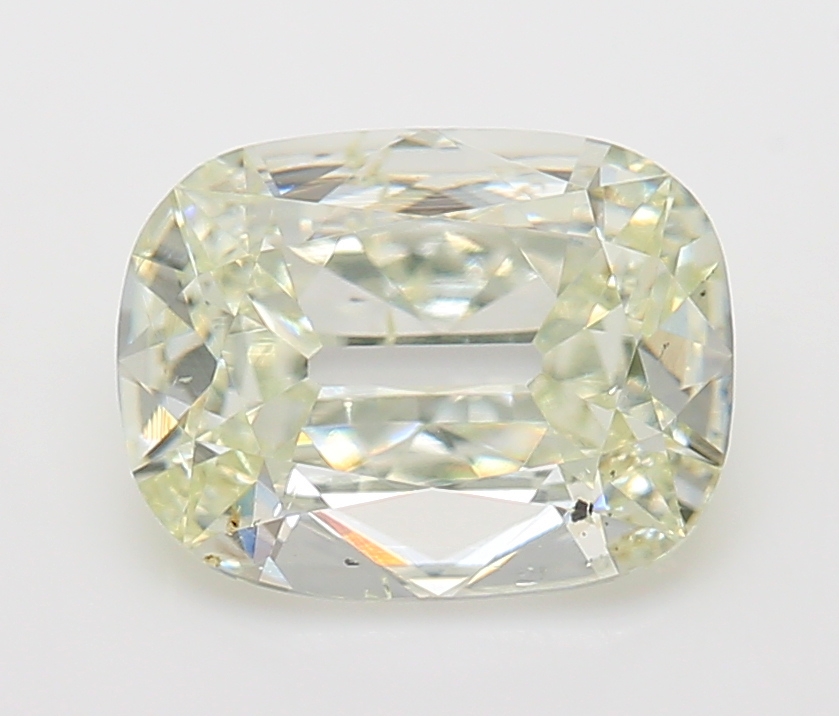
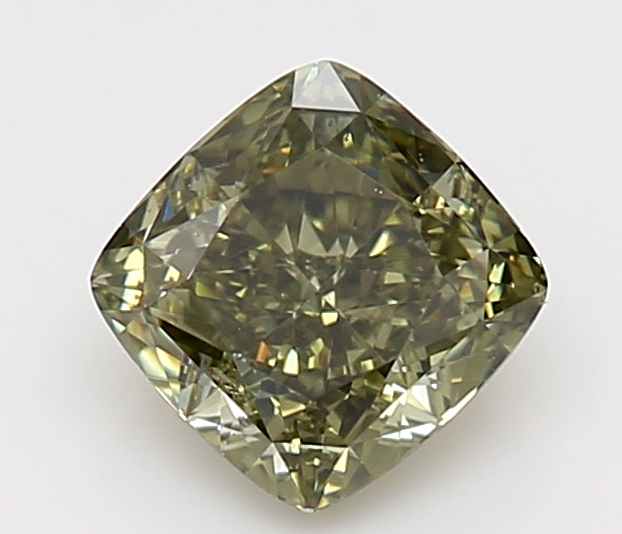
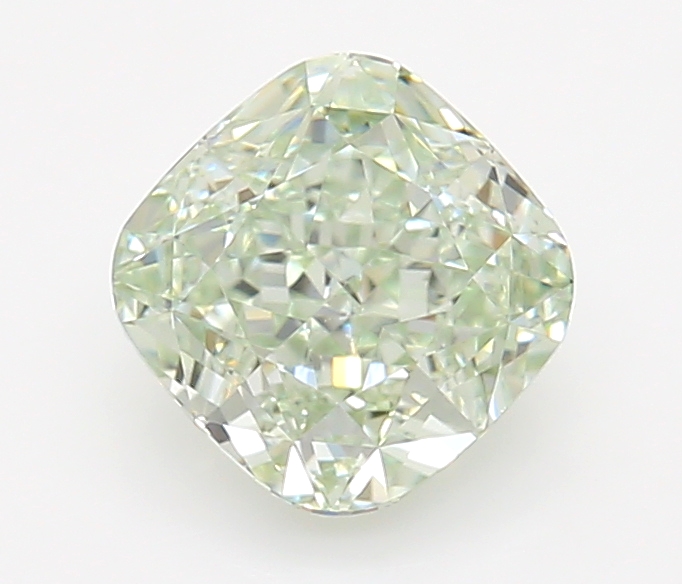
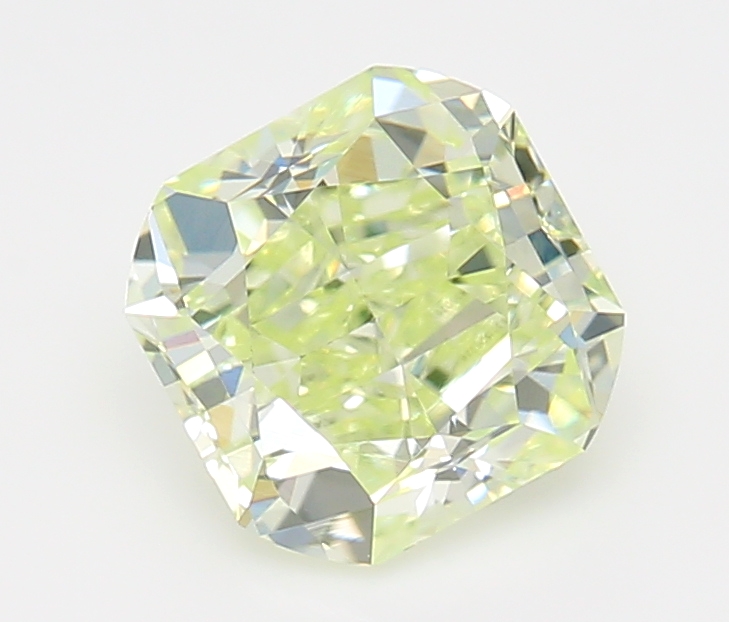
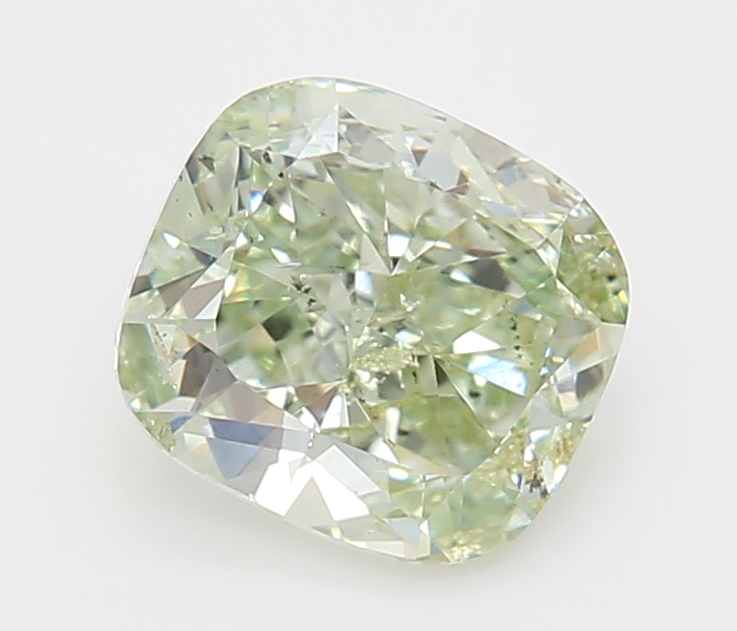
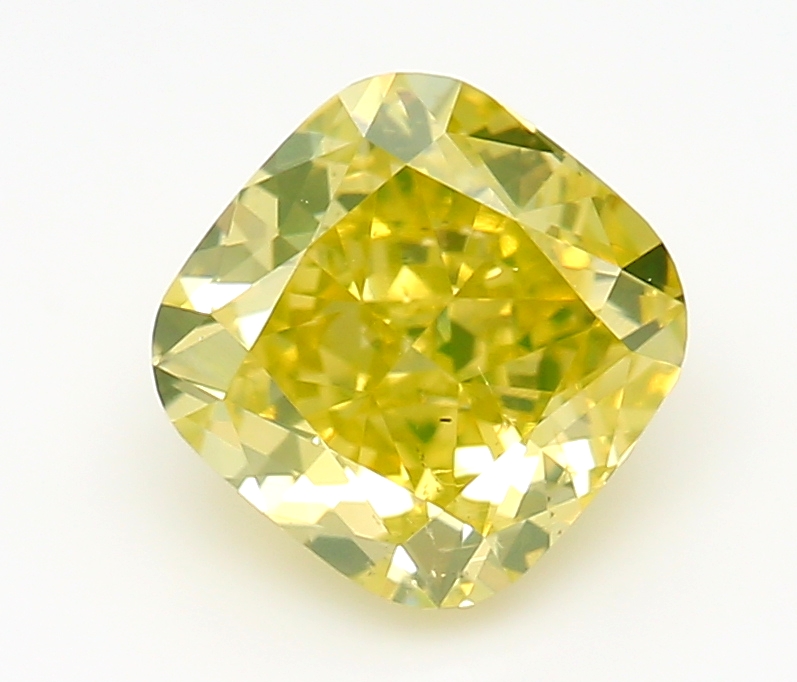
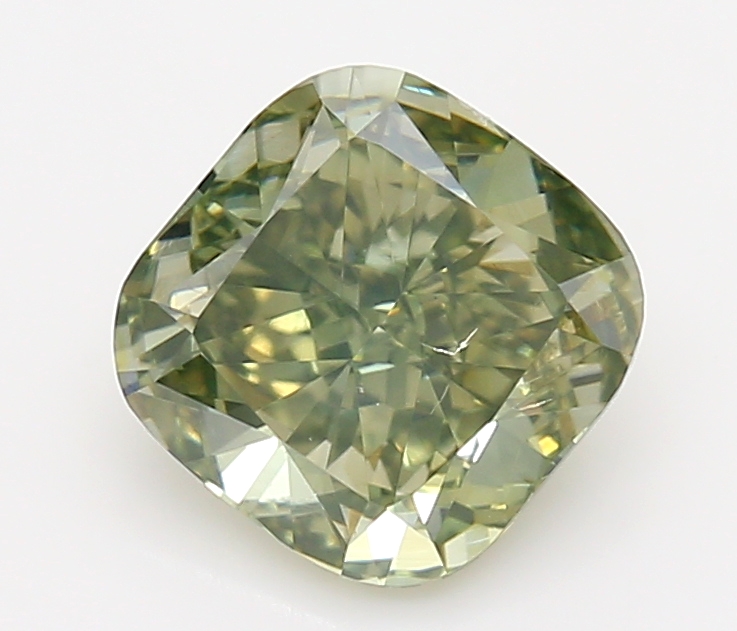
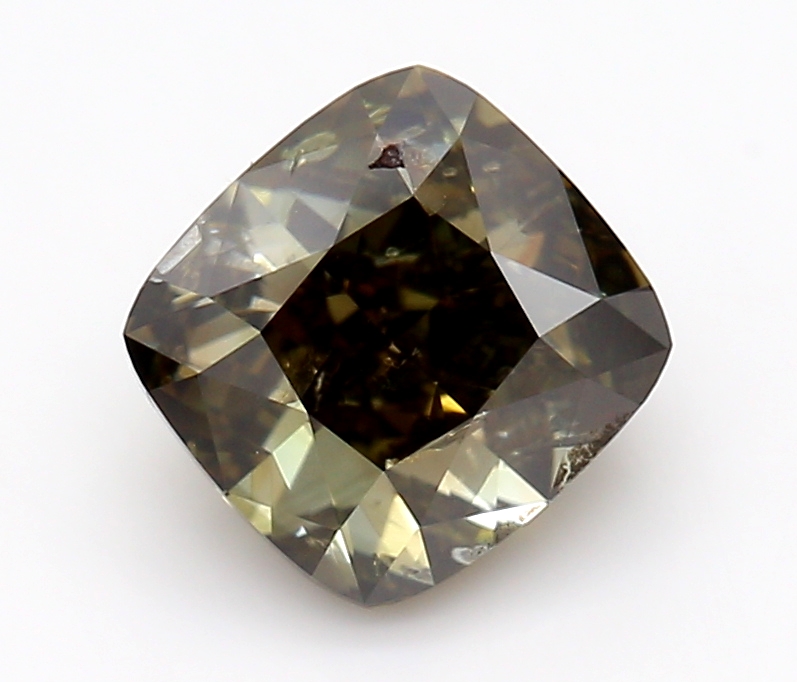
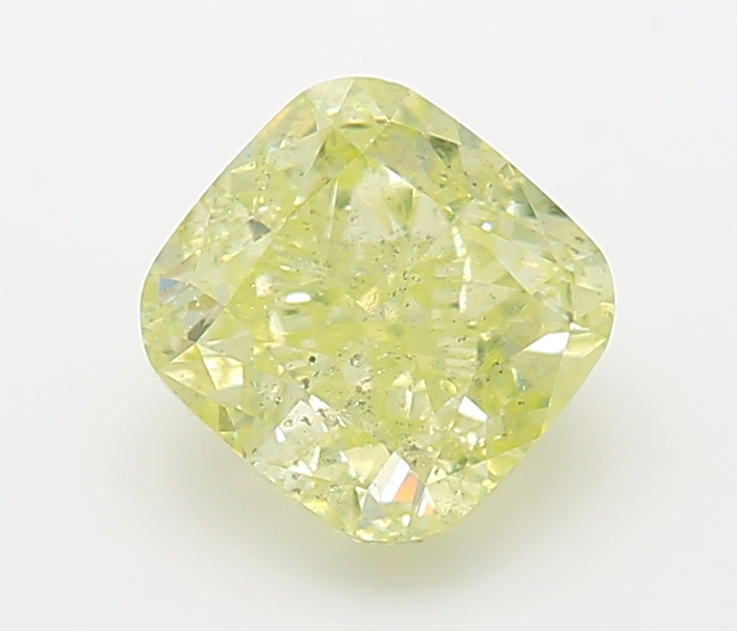
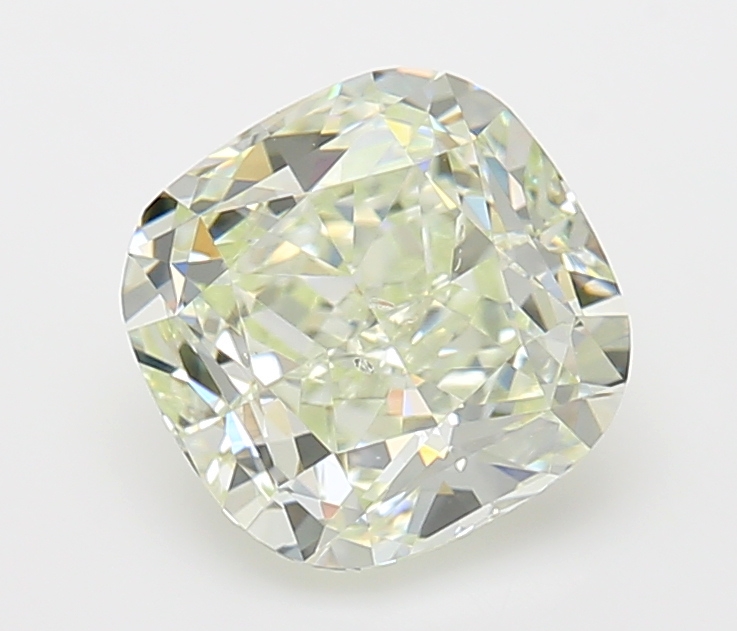
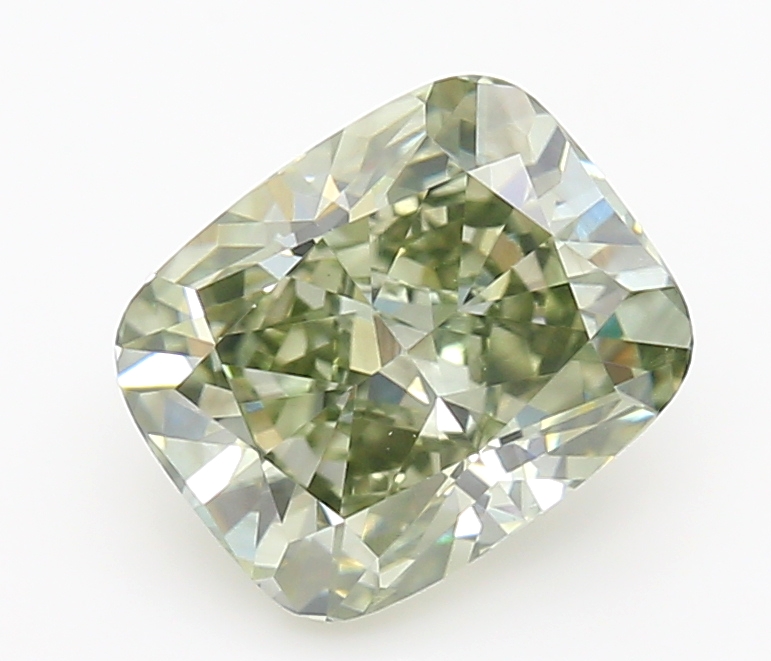
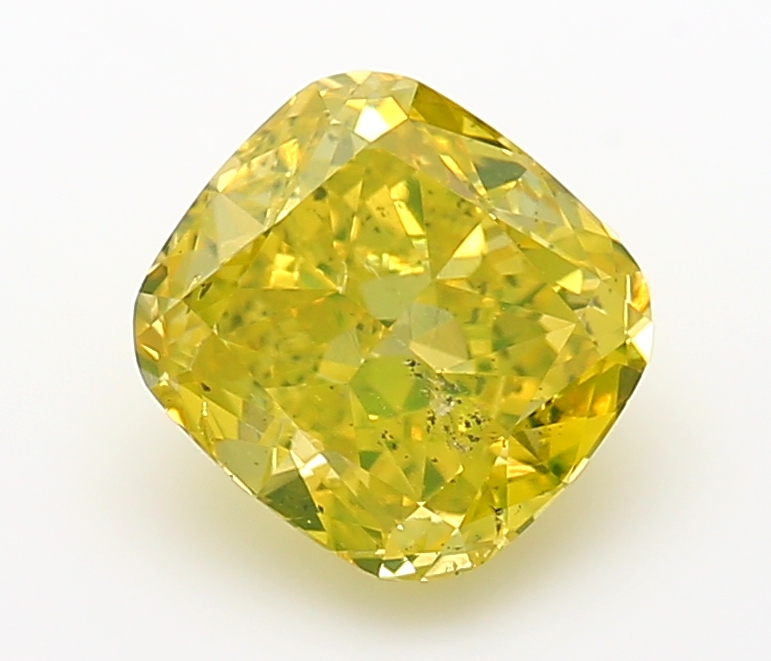
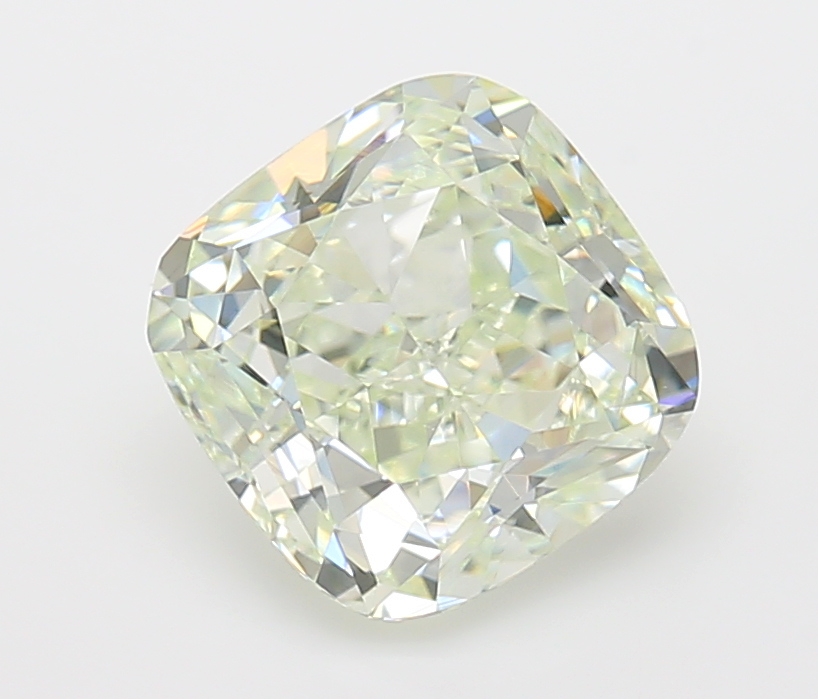
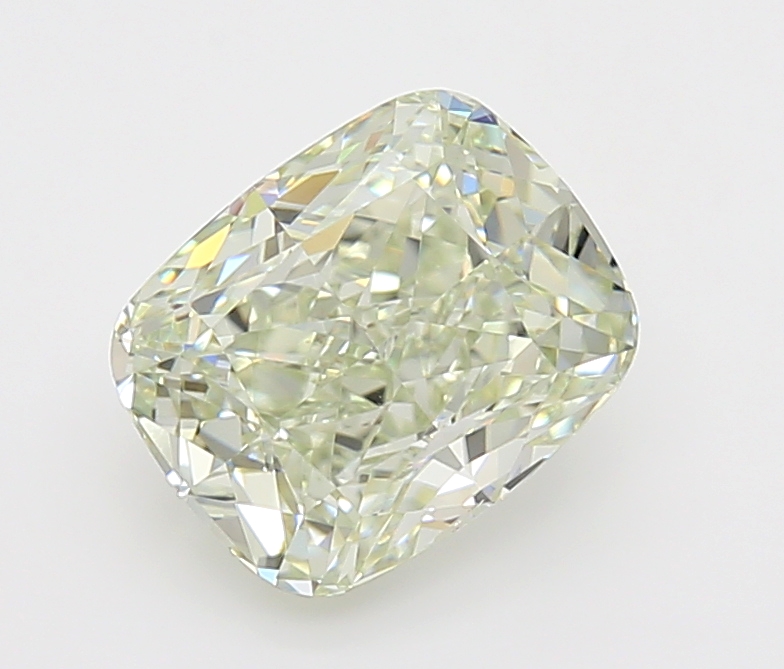
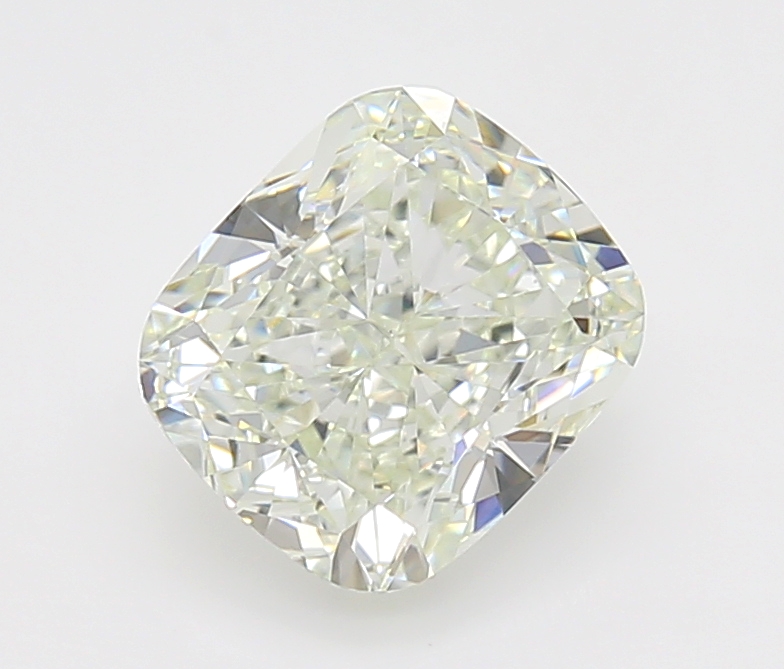
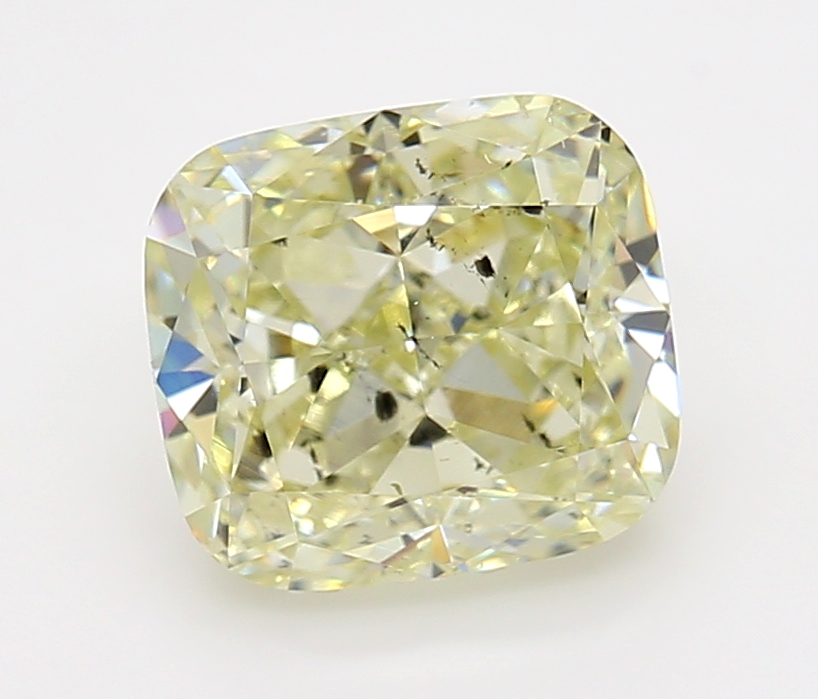
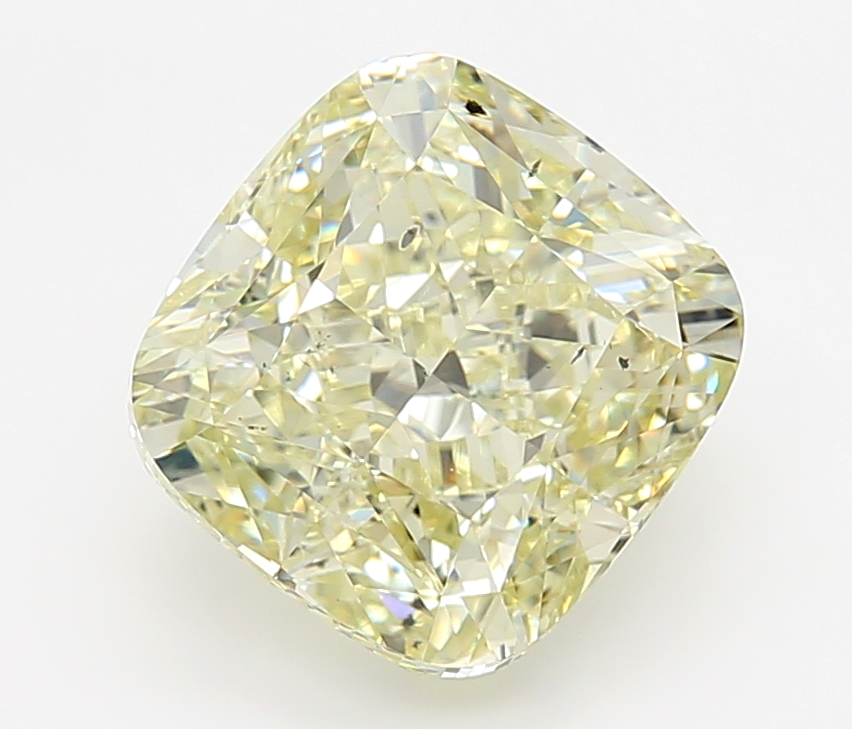
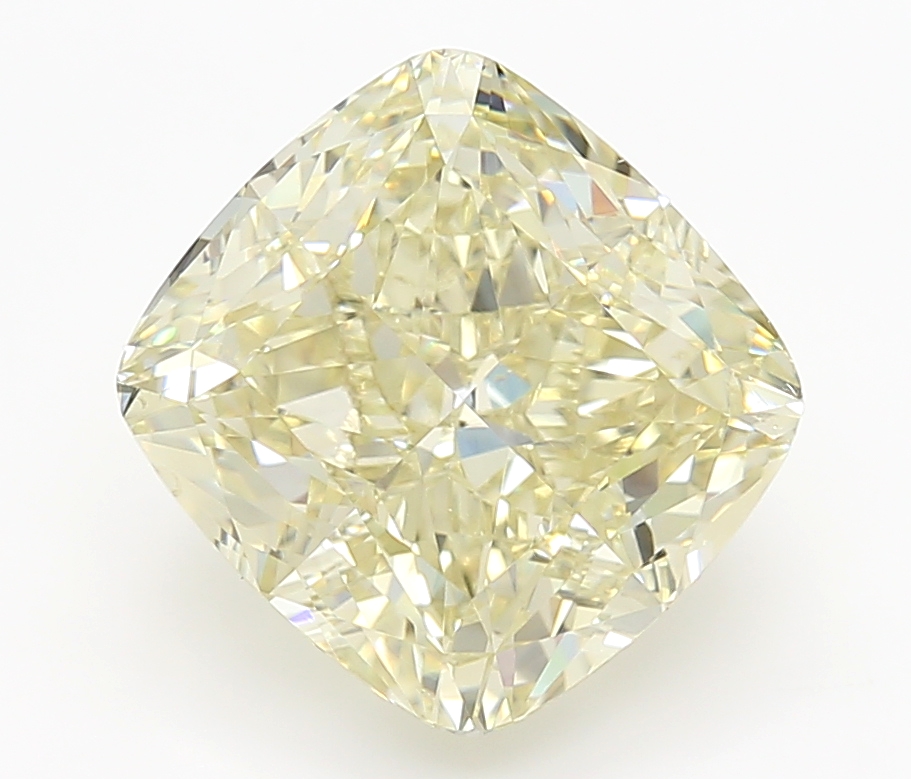
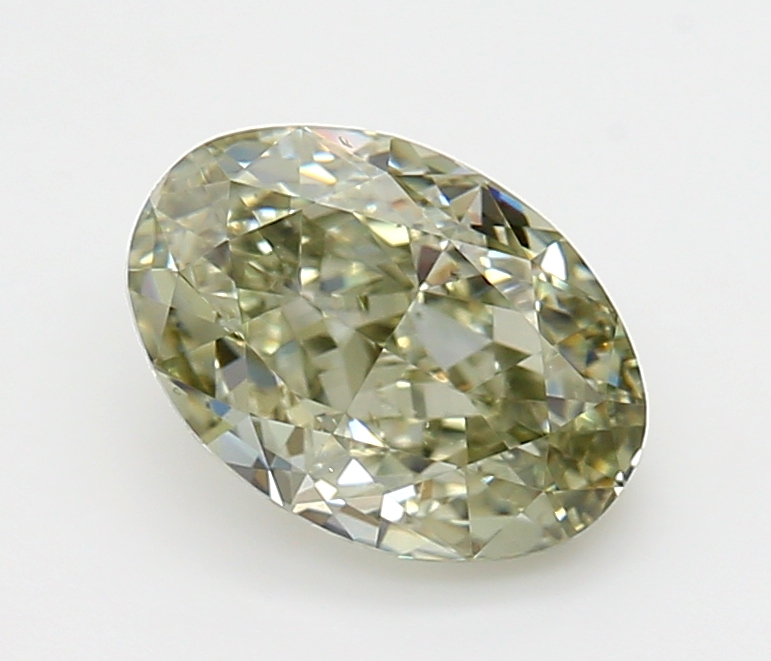
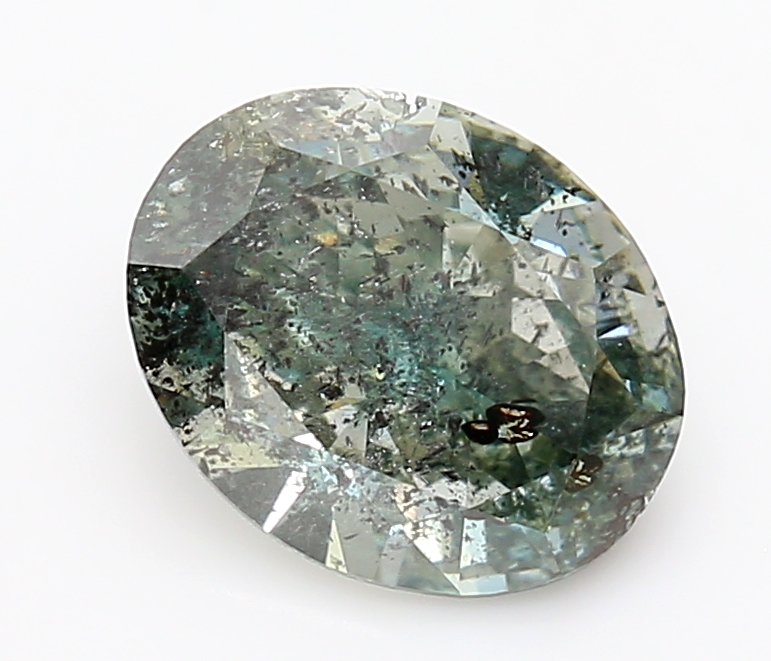
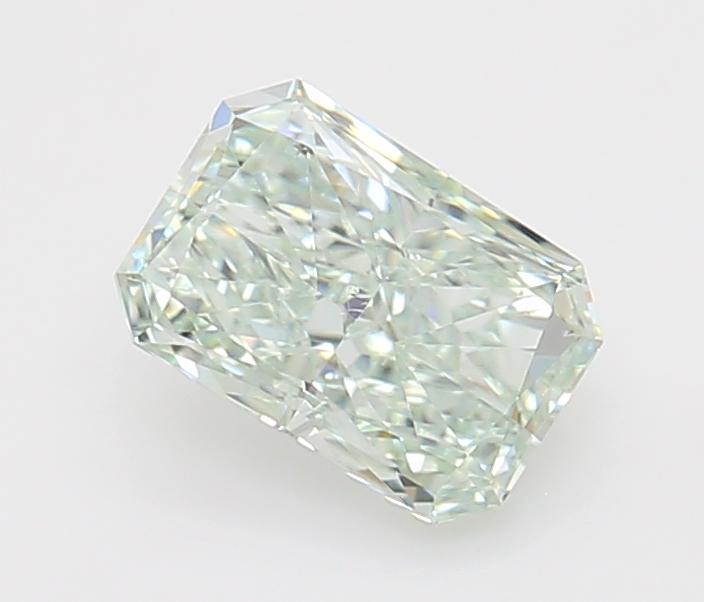
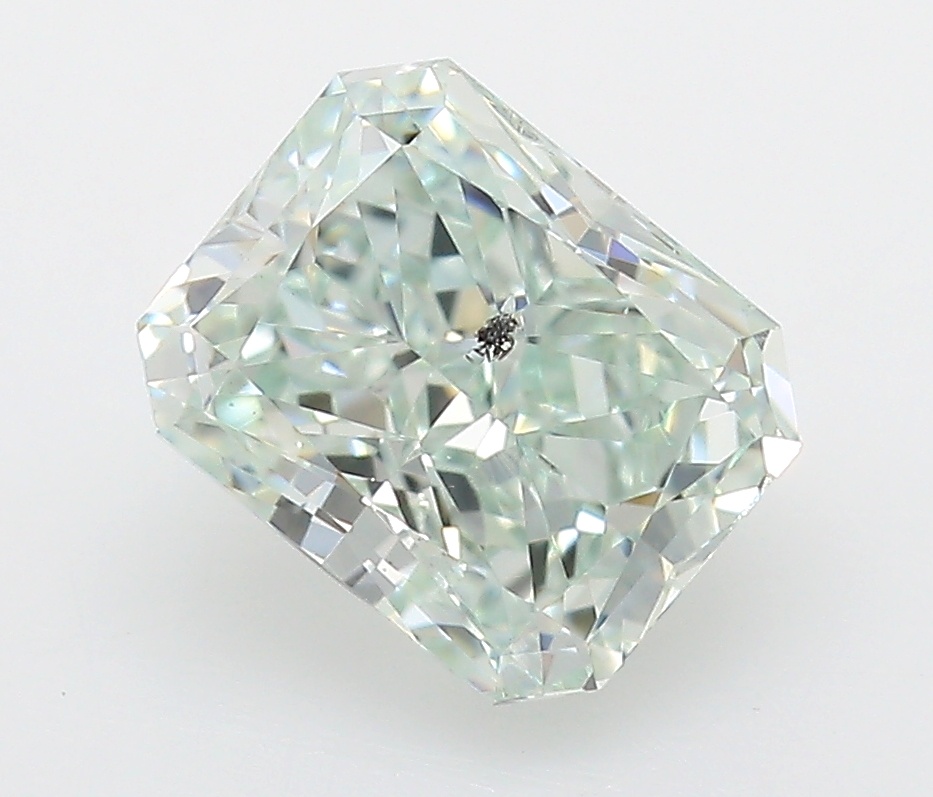
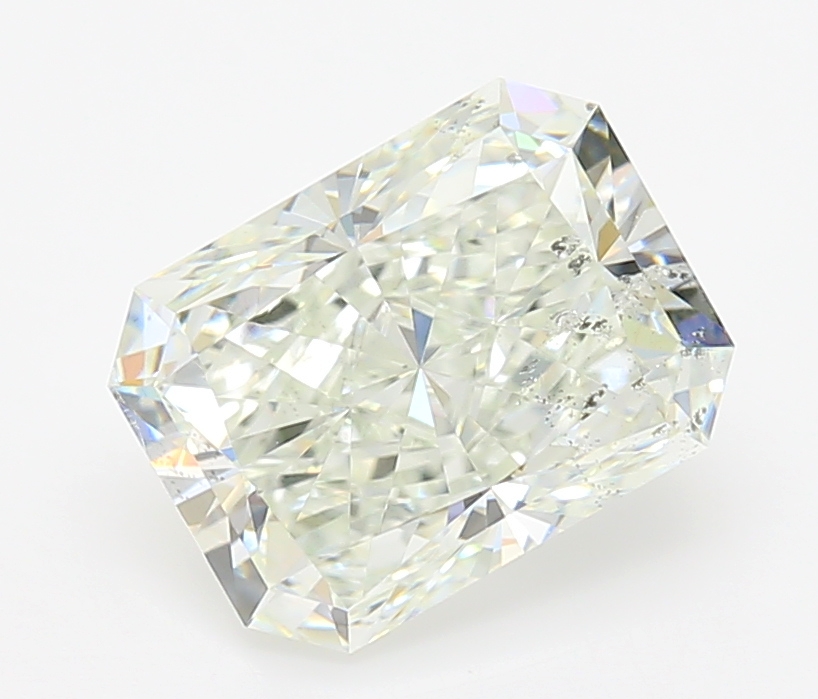
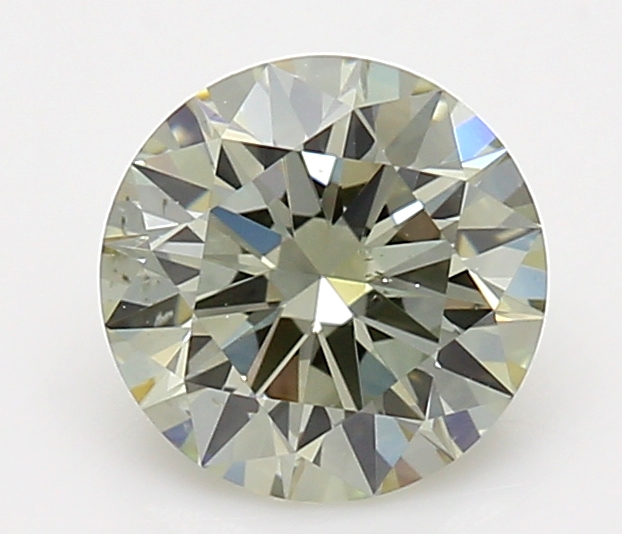
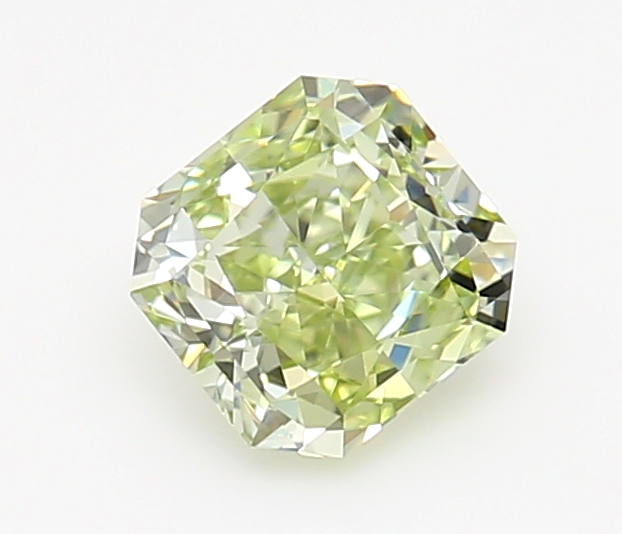
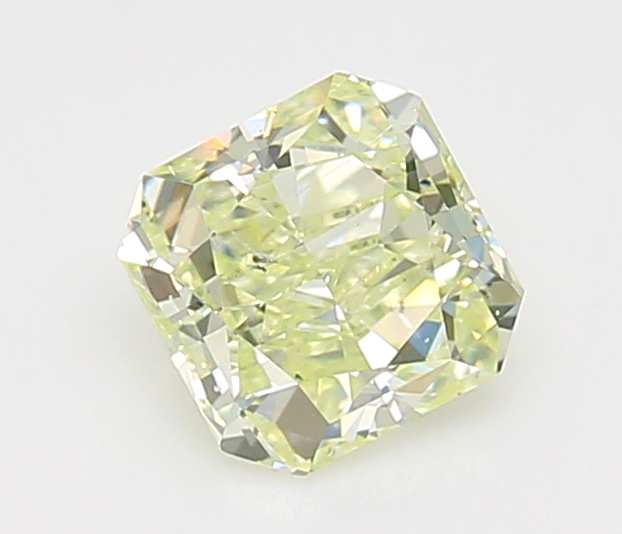
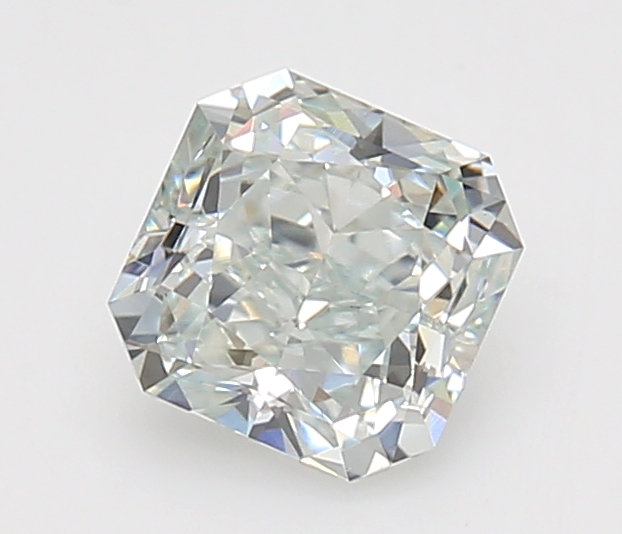
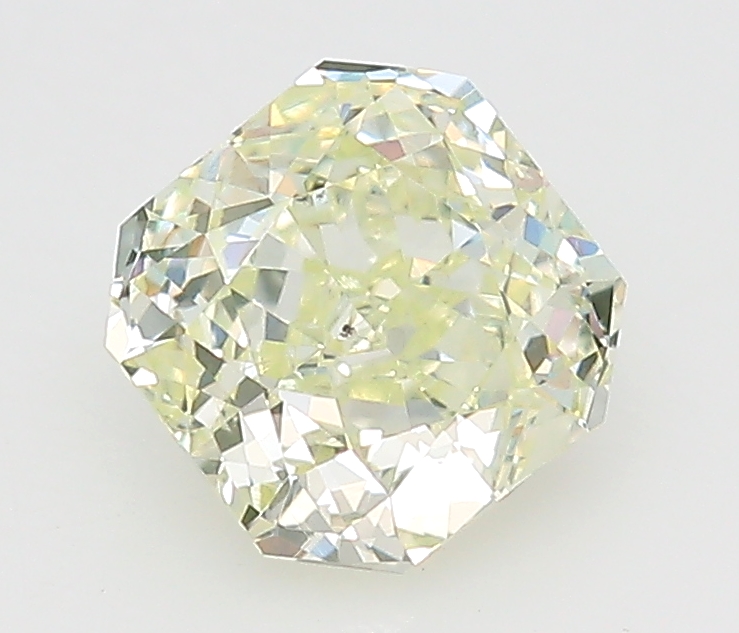
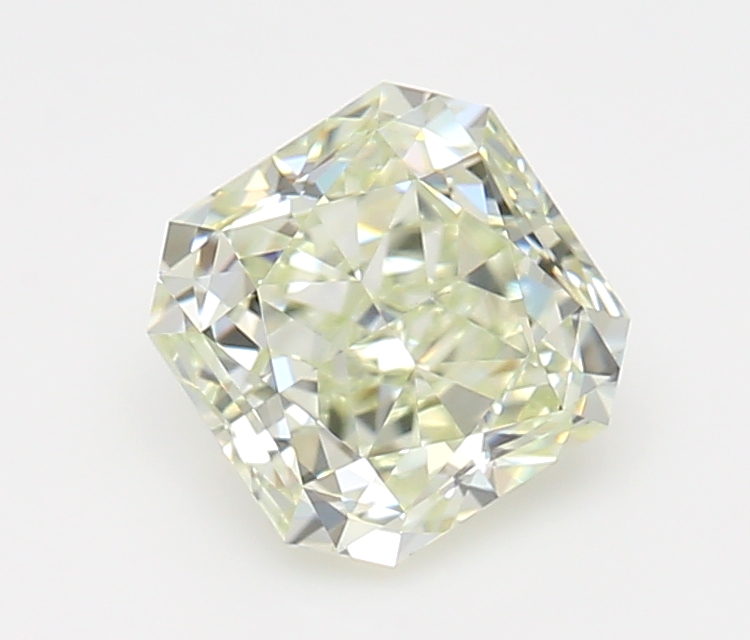
A pure, unmodified green is the rarest and most commercially premium expression of the colour. Yellowish green is the most common secondary hue and represents the largest segment of the market — vibrant, warm, and in strong demand across Asian markets at Fancy Intense and Fancy Vivid saturation. Bluish green and green-blue sit at the other end, commanding premiums for their rarity and serious collector interest. Greyish green is the modifier most likely to disappoint buyers expecting something vivid, pulling the colour toward a muted, quieter tone.
Why Cut Decisions Can Determine Whether Colour Survives at All
Green presents a cutting challenge unique among fancy colours — because natural colour often exists as a surface phenomenon or is concentrated in specific zones of the rough, the cutter’s orientation decisions don’t just affect how colour is presented, they affect whether it survives into the polished stone at all. A poorly oriented cut can turn strongly coloured rough into a polished stone with minimal retained green. A well-oriented cut preserves and concentrates it. This is invisible on the certificate and immediately answerable once the stone is in hand under the right light.
Matching Green Diamond Pairs and Layouts
Matched green pairs are the most demanding sourcing exercise in the entire fancy colour category — supply at any meaningful saturation is thin enough that finding one well-suited green is an achievement; finding two that agree in colour, tone, and secondary hue is a genuine test. Two Fancy Intense Yellowish Greens that grade identically can face up quite differently depending on exactly how the yellow component interacts with the green body colour under specific lighting.
At Raremonds, every natural green diamond carries confirmed GIA natural colour origin, and every pair is matched in person — origin, grade, secondary hue, tone, and face-up saturation assessed simultaneously before either stone leaves us.


.png)