There is a version of coloured diamond sourcing that happens entirely on a screen. A certificate number, a colour grade, and an asking price. The stone arrives. It is not what you expected. It is technically correct and visually disappointing.
Natural fancy coloured diamonds do not work that way. The difference between a stone graded Fancy and one graded Fancy Intense is not just a line on a report — it is a difference you feel when you hold the stone under light. And the difference between two stones from different sources, with identical grades in the same colour, can be just as significant. One saturates. One does not. The certificate will not tell you which is which.
At Raremonds, with two generations in the natural coloured diamond trade since 1985, fancy colour diamonds are among the stones we evaluate most rigorously — because colour grading at this level is where experience separates reliable sourcing from expensive mistakes.
What Makes Natural Fancy Colour Diamonds Different to Source
Every colour in the natural fancy diamond family has its own geological origin, its own grading logic, its own secondary hue landscape, and its own pricing framework. Yellow derives its colour from nitrogen. Blue from boron. Green from natural radiation. Pink from structural lattice distortion. Each is evaluated against entirely different criteria, and expertise in one colour does not automatically transfer to another. This is why coloured diamond sourcing requires a specialist, not a generalist — and why two stones carrying identical grades in the same colour can perform completely differently once they are in a setting under real light.
Grade is the starting point. Secondary hue, saturation position within the grade band, cut performance, and face-up appearance under consistent lighting are where value is either made or quietly lost.
The Colours We Source and Supply
Every natural fancy colour diamond we supply has been physically evaluated in hand before it is offered. Every pair has been matched side by side under consistent lighting. Every layout has been assessed for colour consistency, cut performance, and face-up appearance in the setting context you specify.
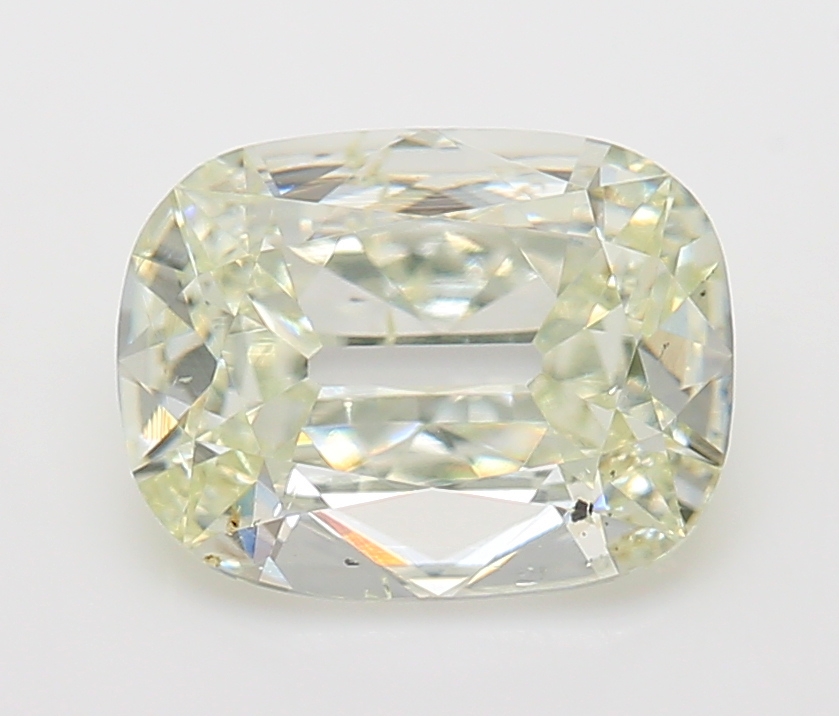
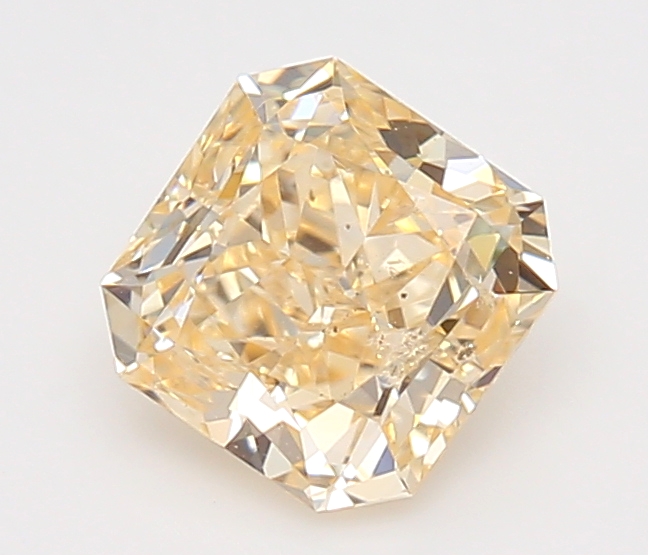
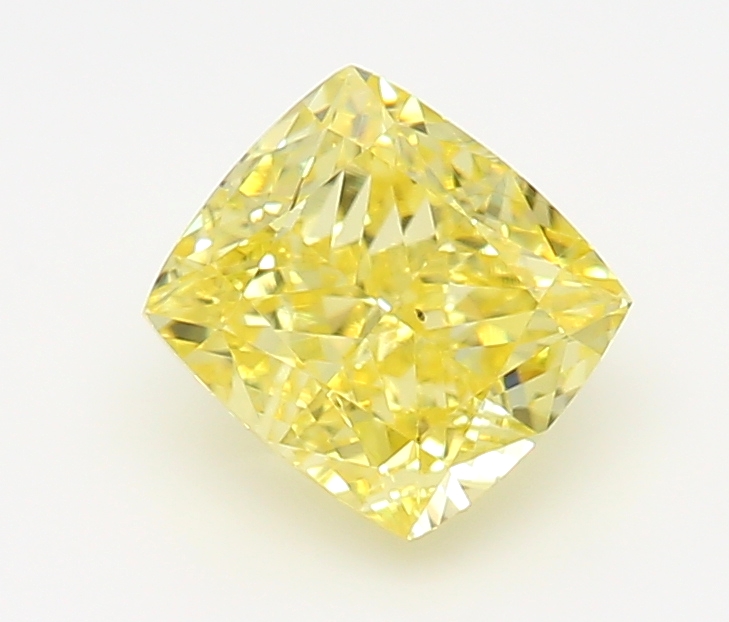
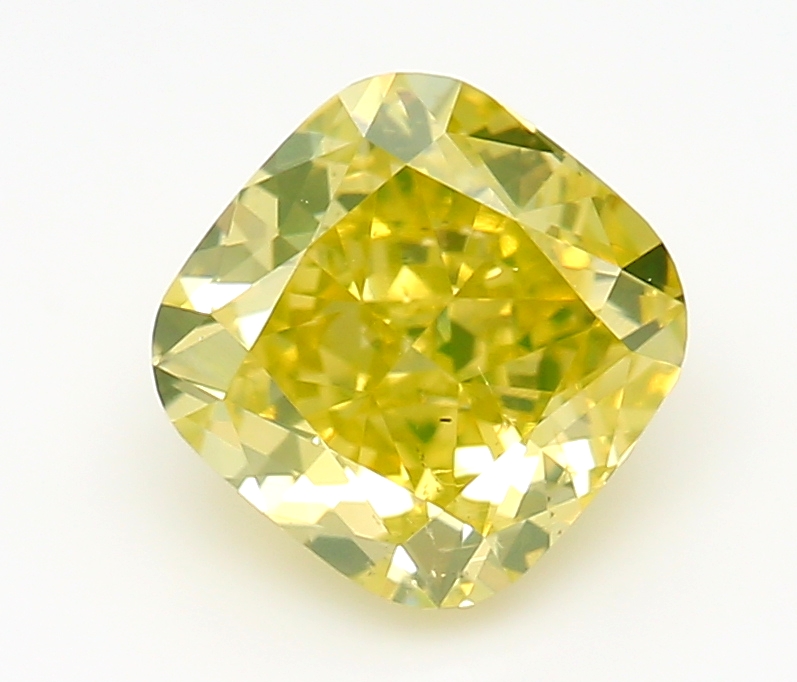
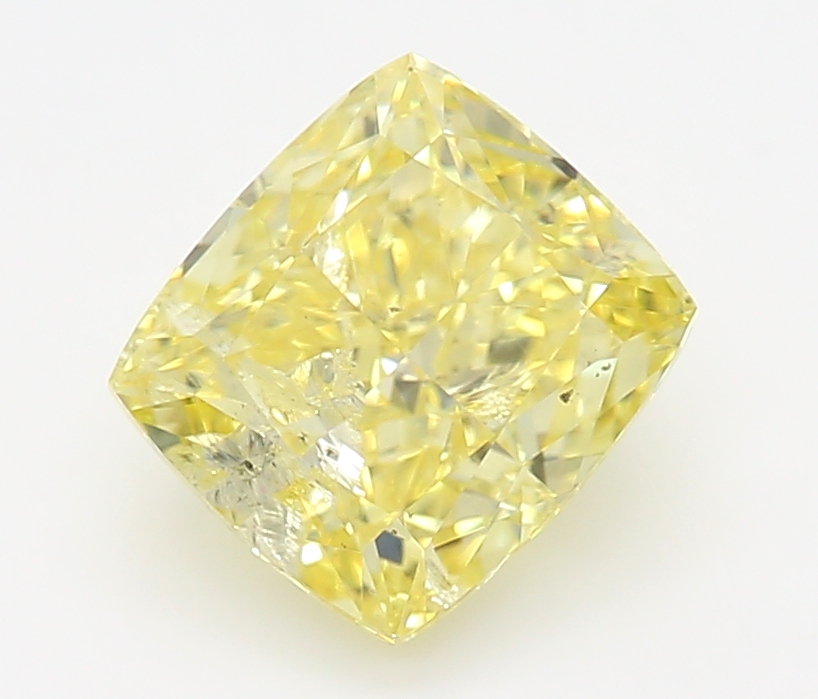
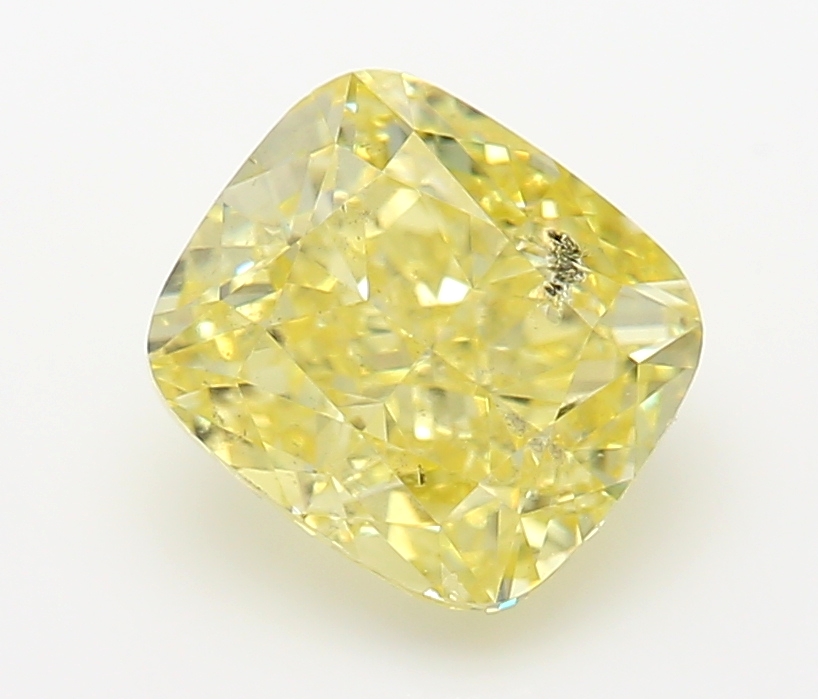
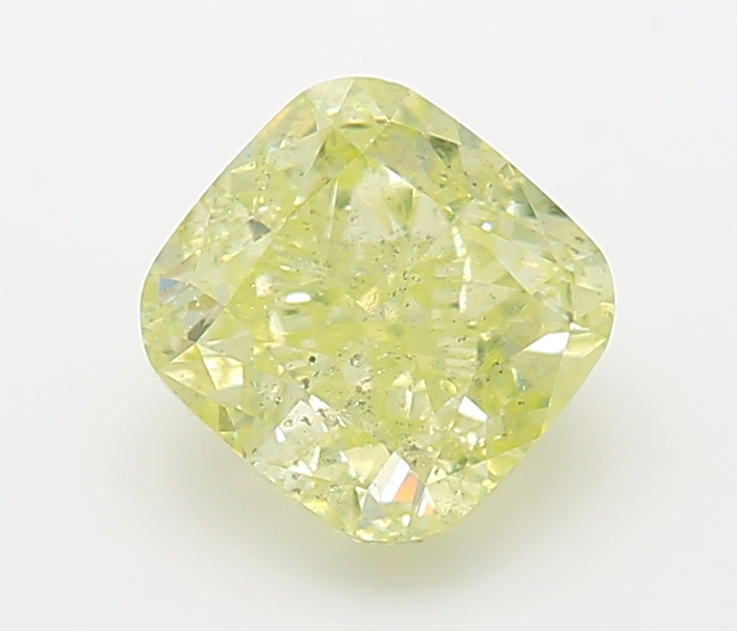
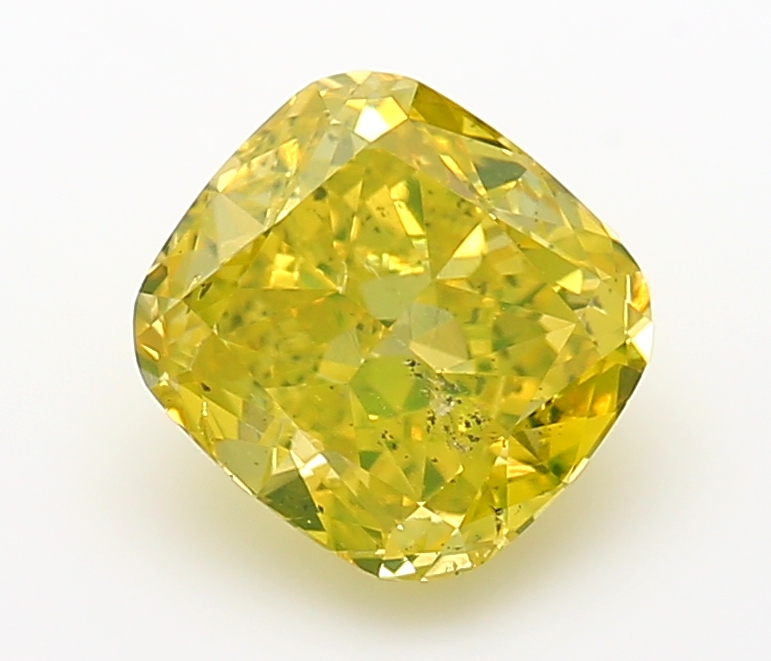
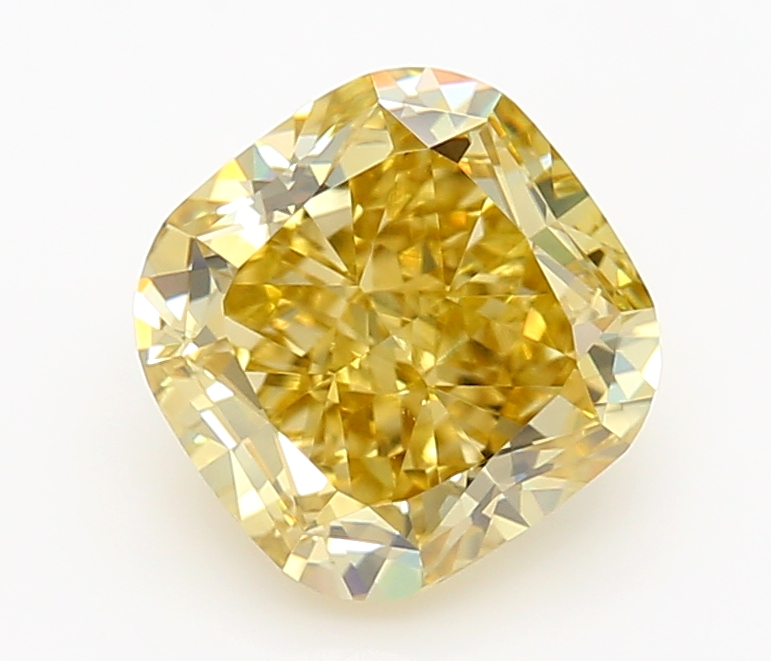
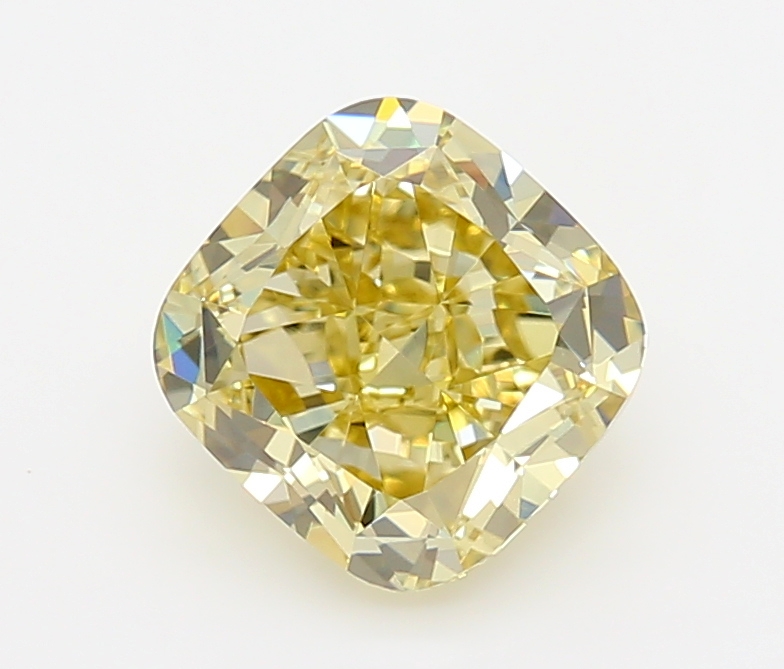
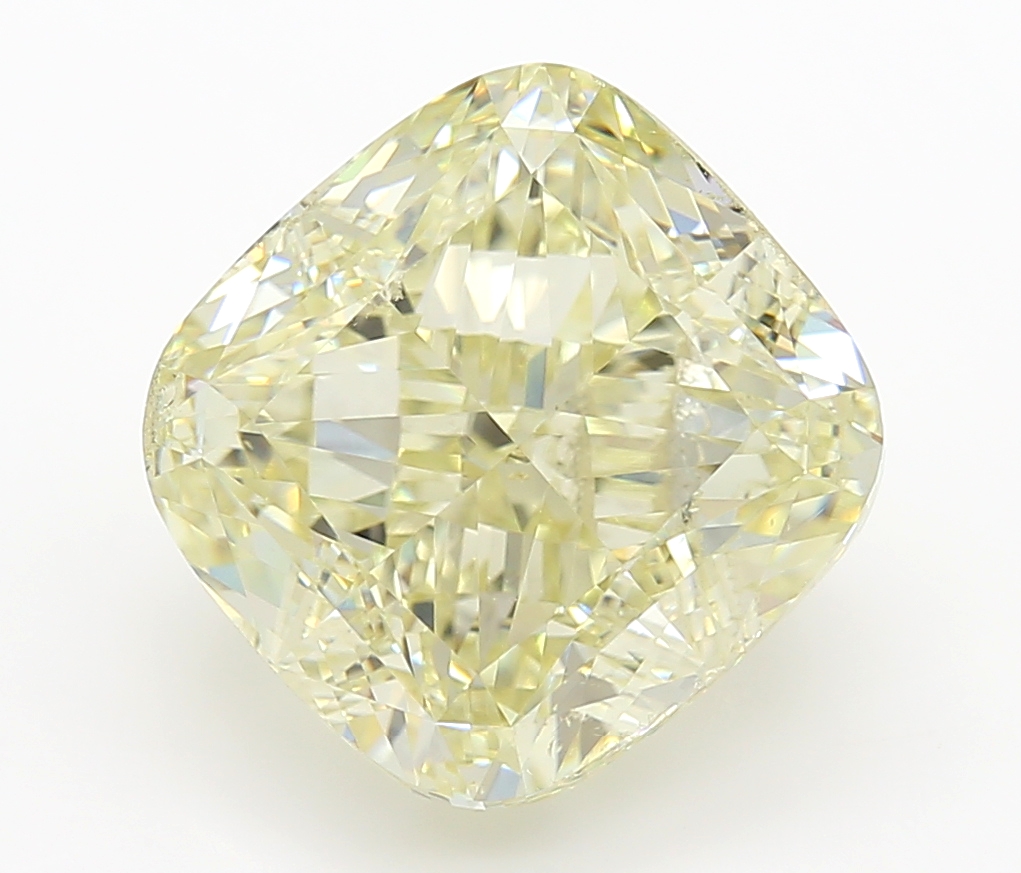
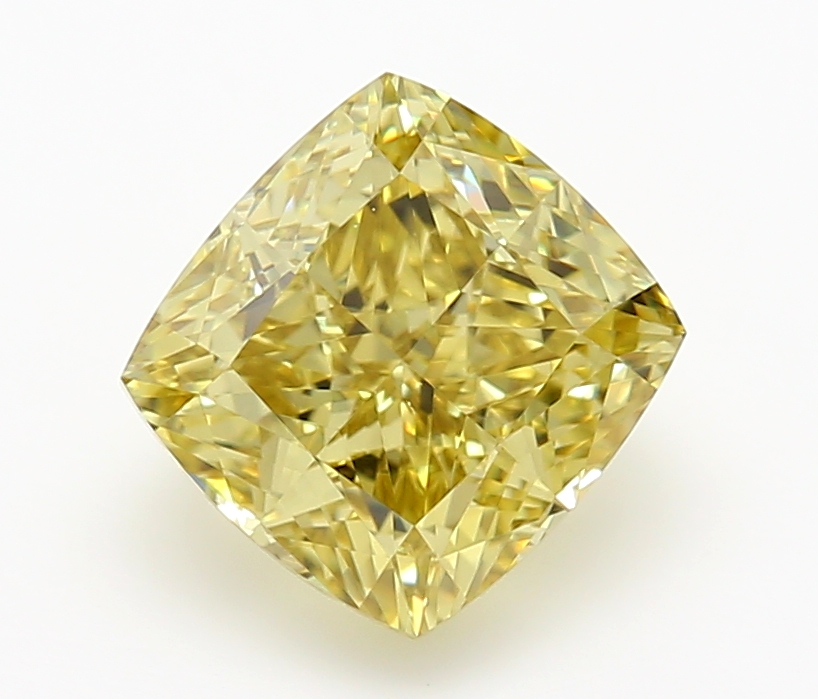
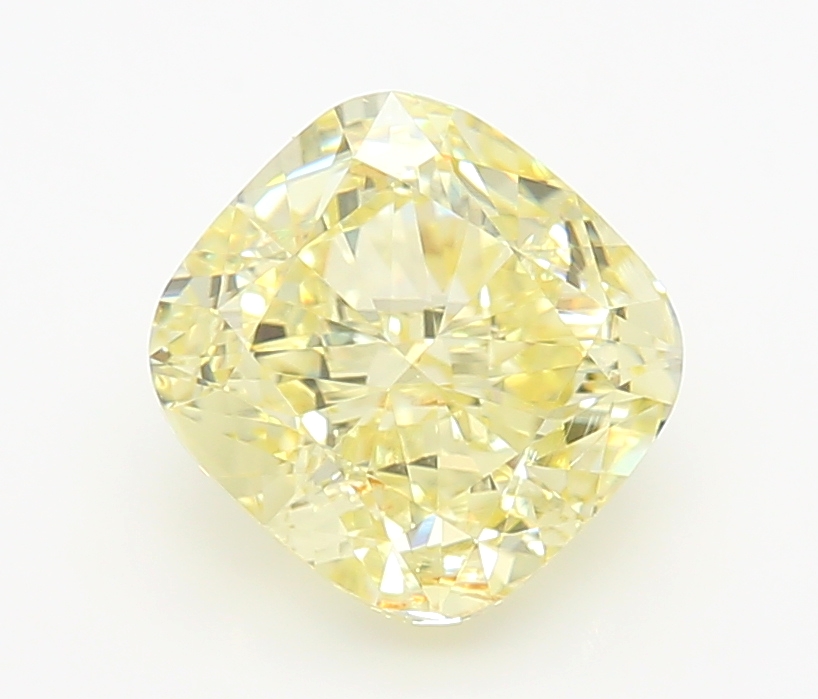
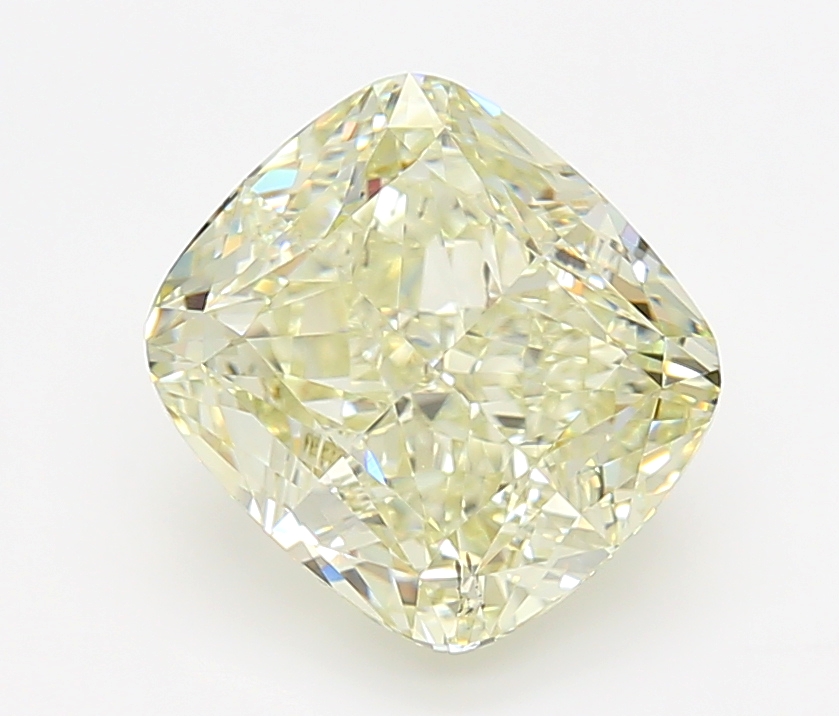
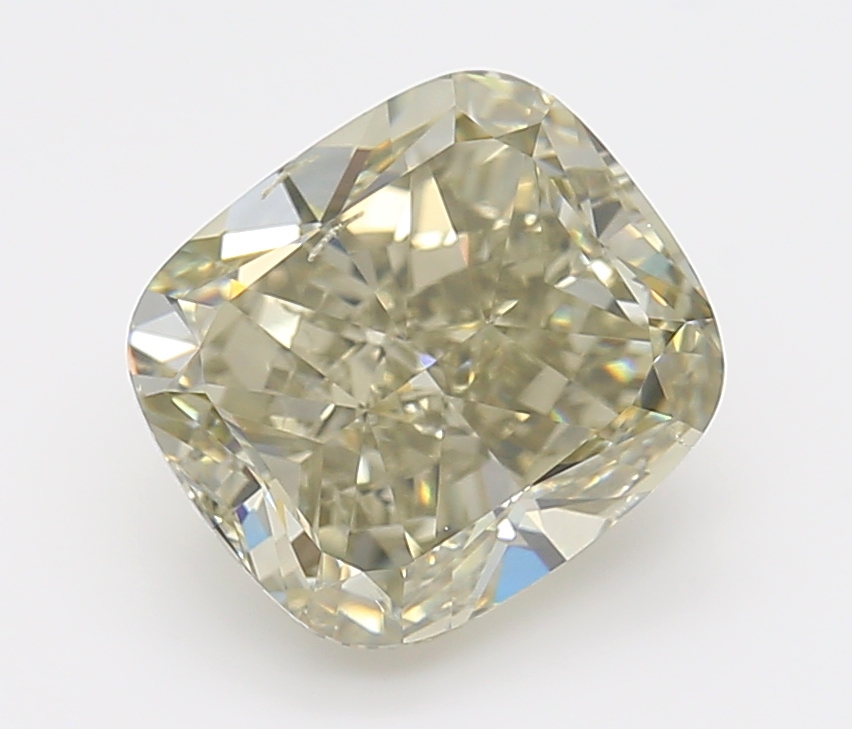
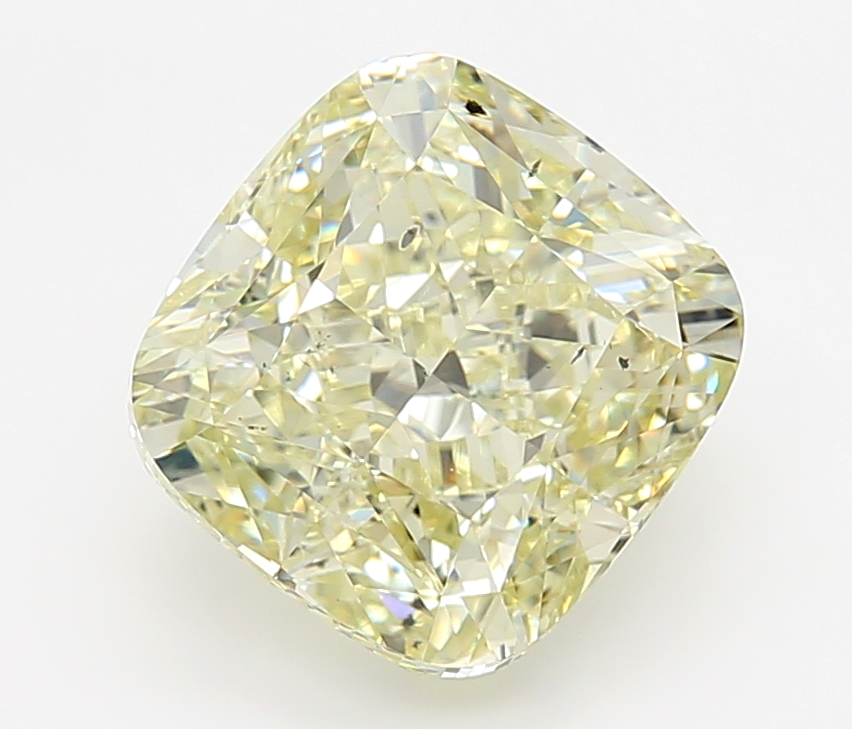
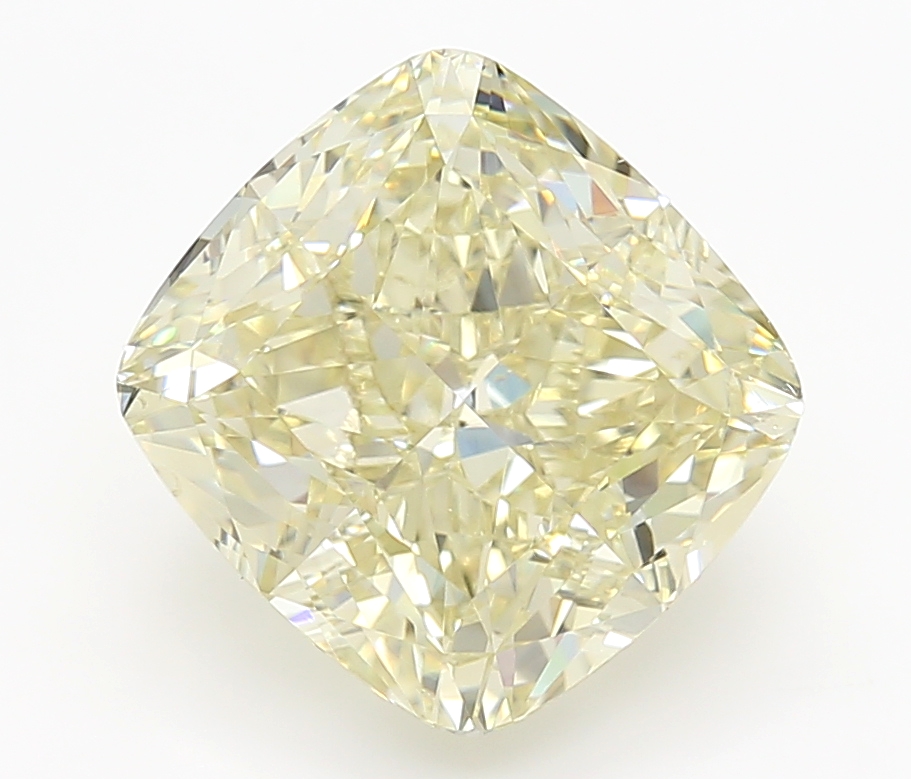
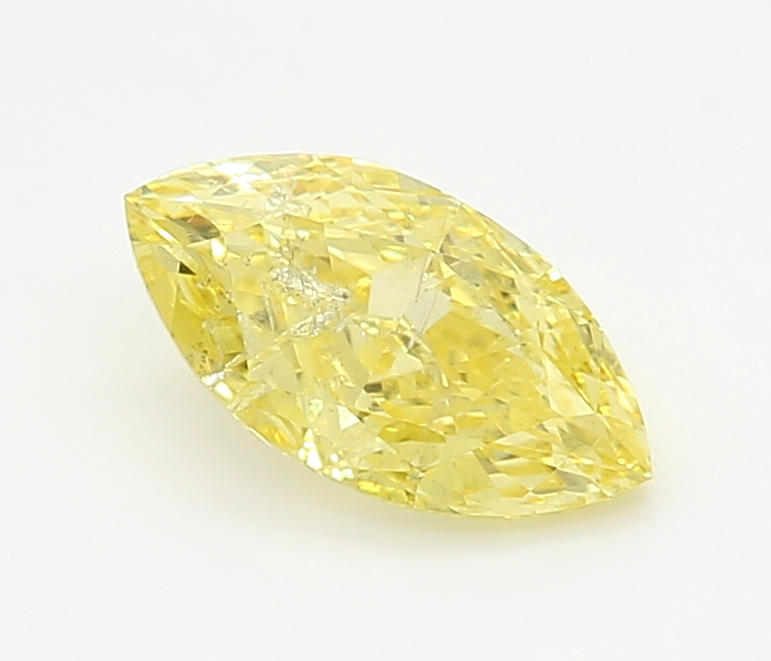
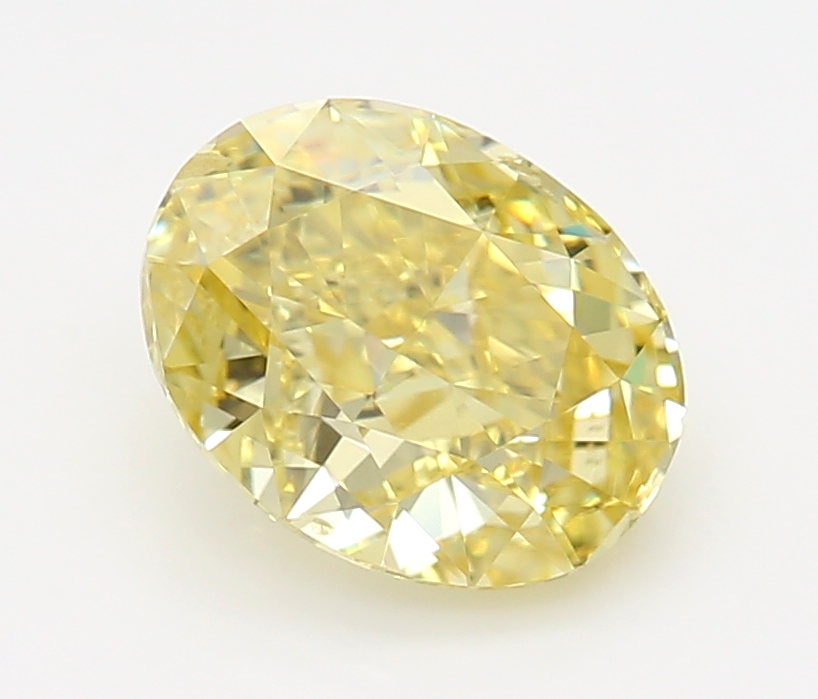
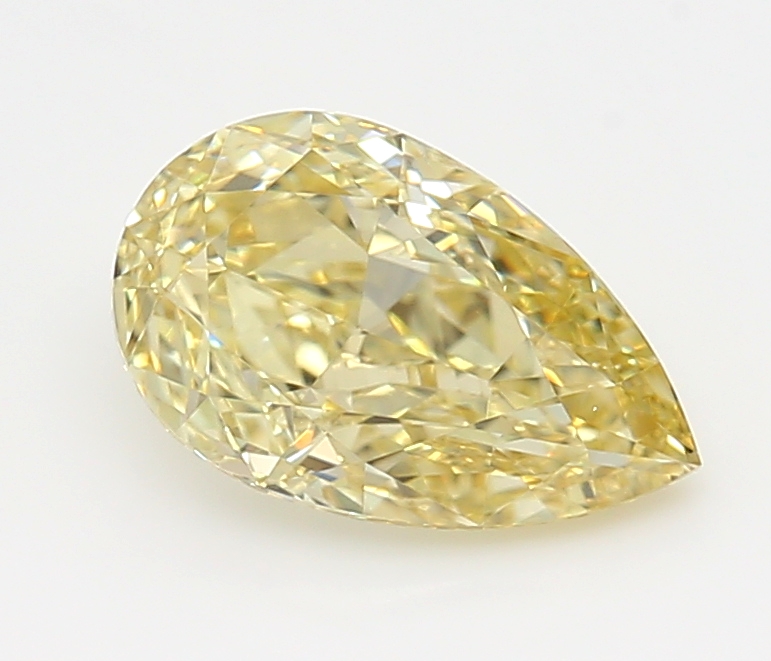
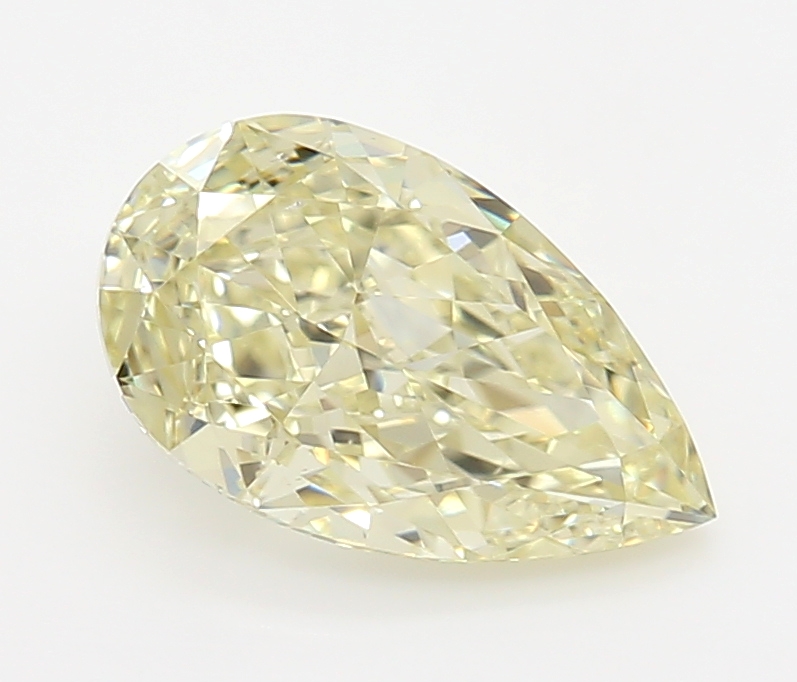
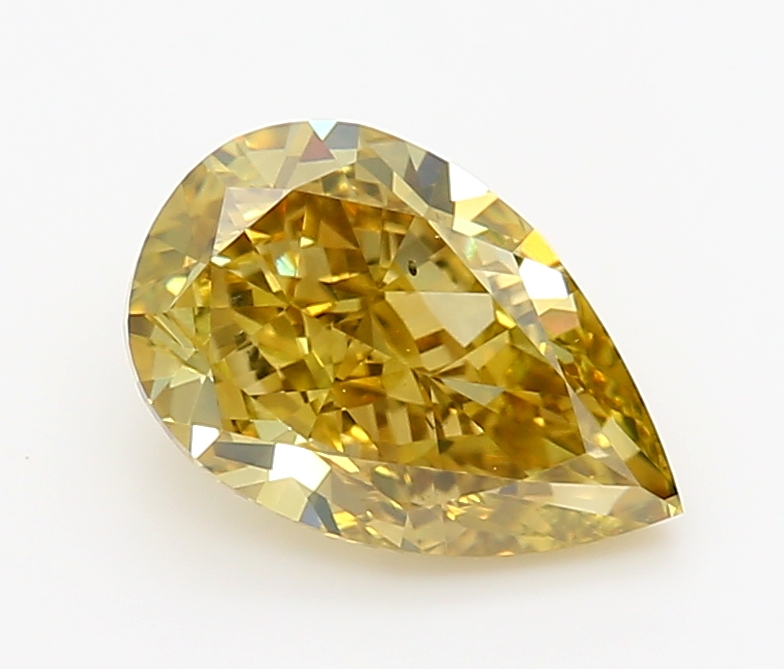
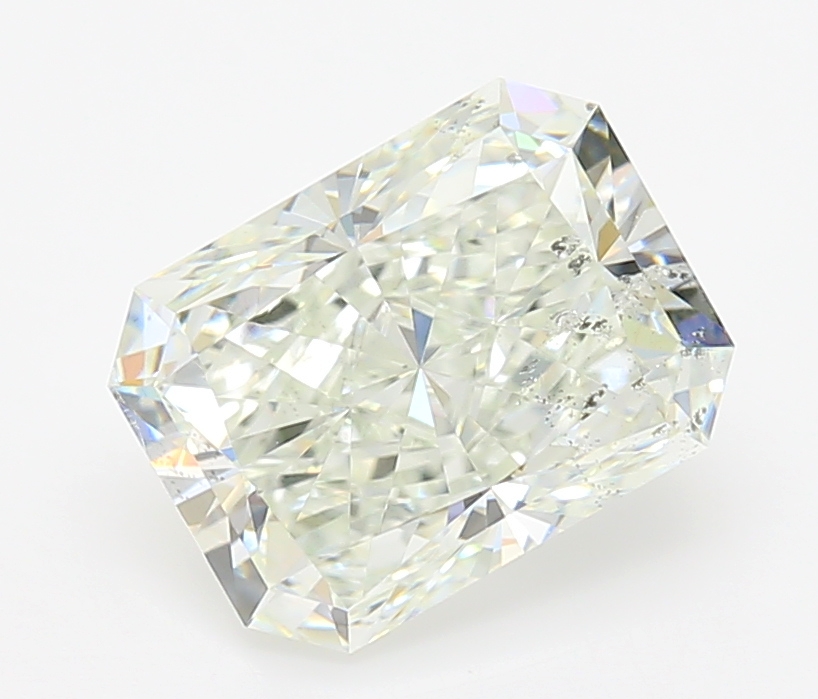
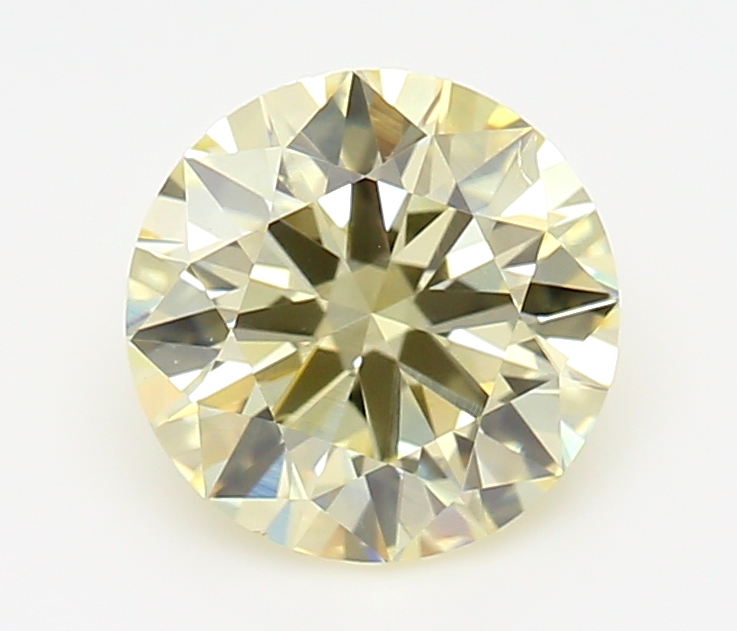
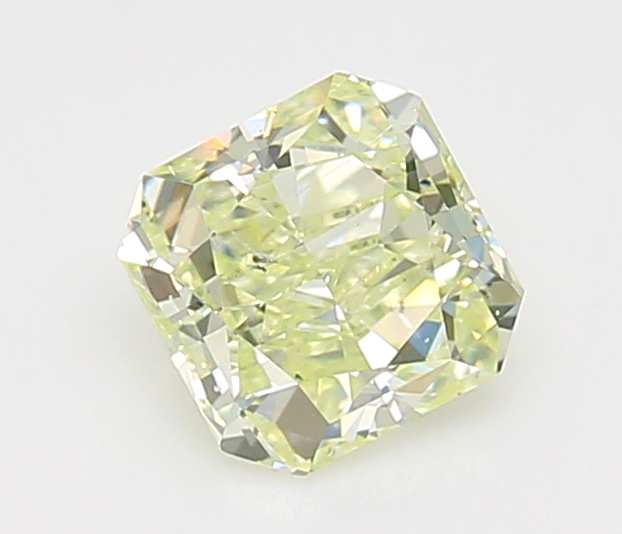
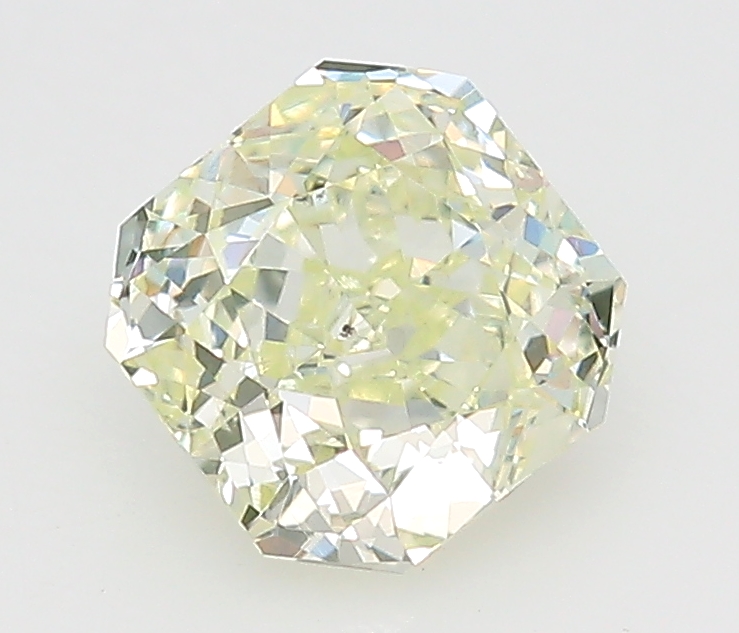
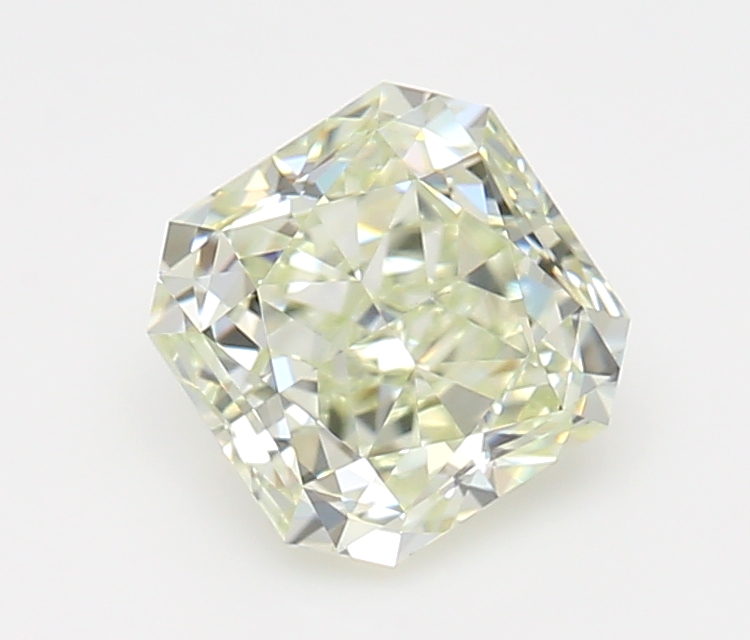
Fancy Yellow Diamonds — The most commercially available natural fancy colour, and the most deceptively difficult to source well. Intensity grade, secondary hue, and cut performance all determine whether a yellow saturates or sits flat. The most in-demand coloured diamond in the trade.
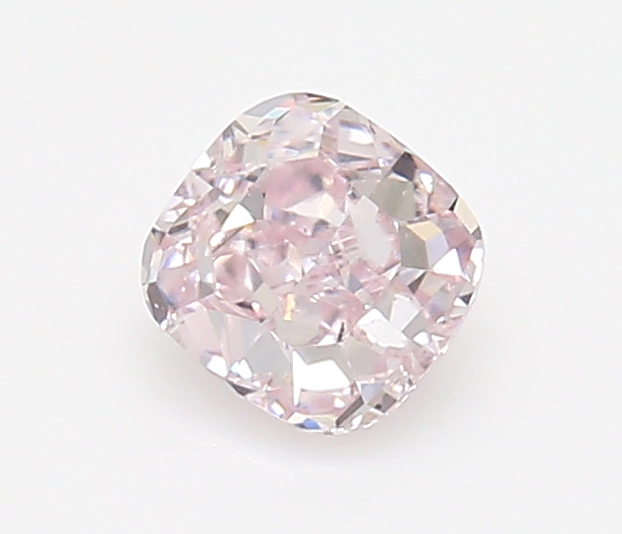
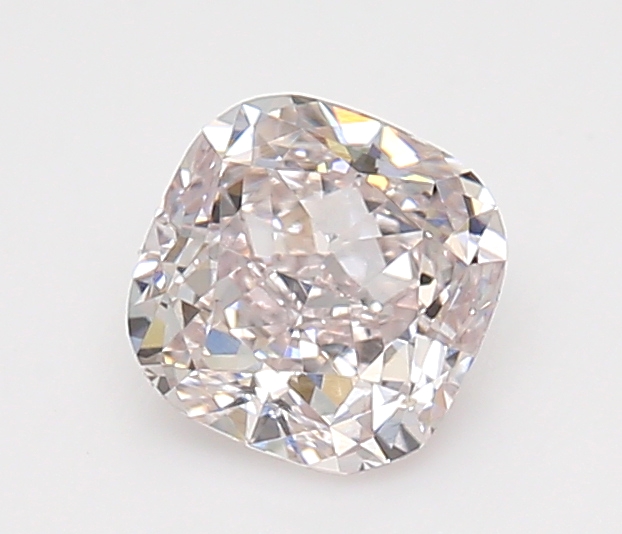
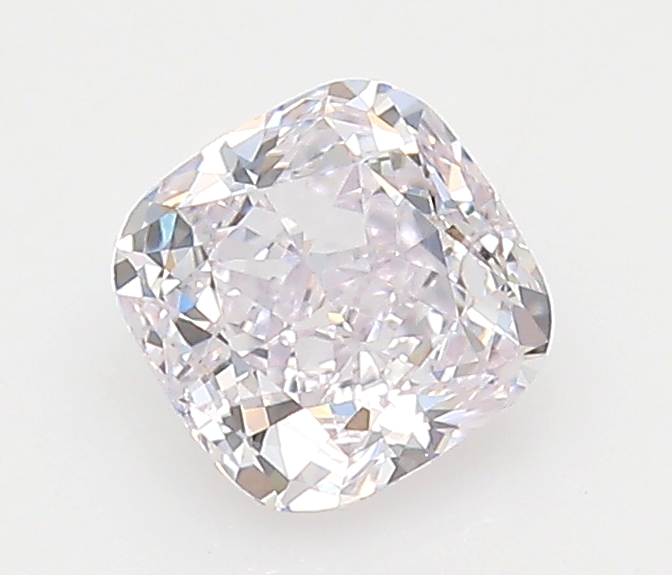
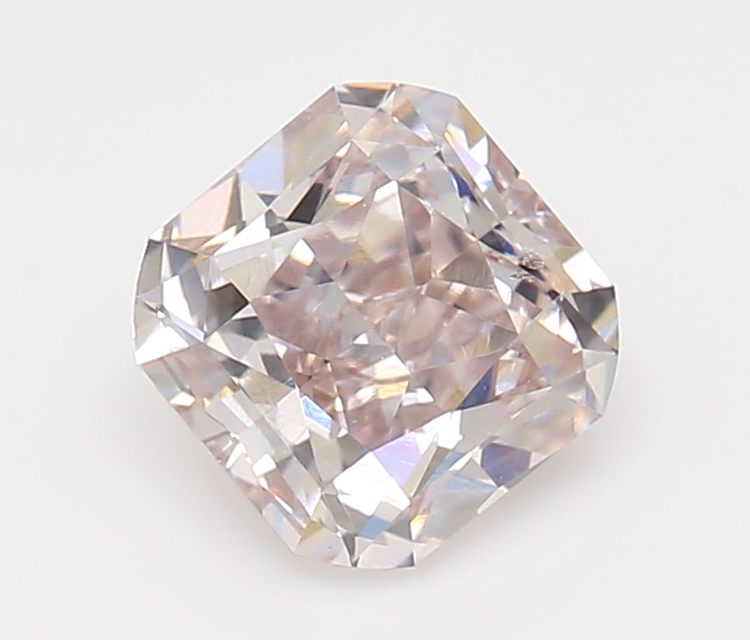
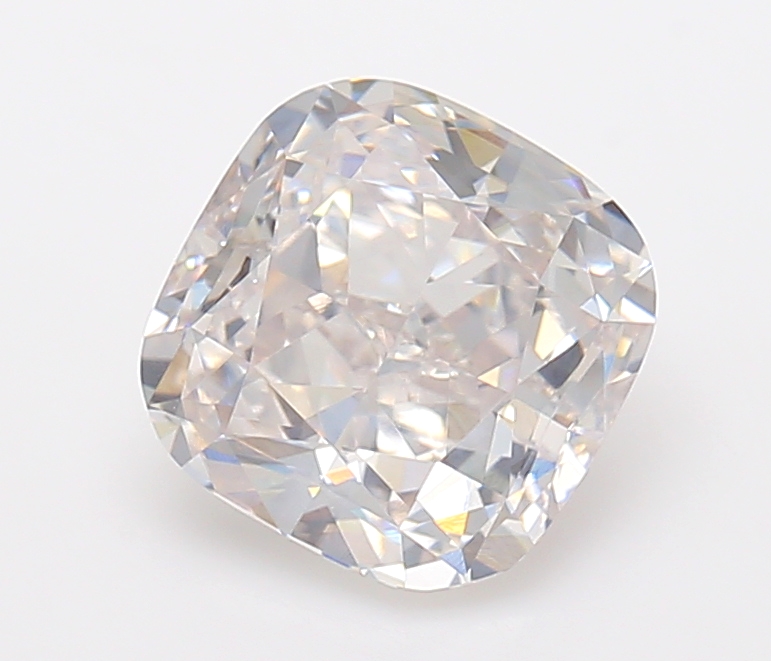
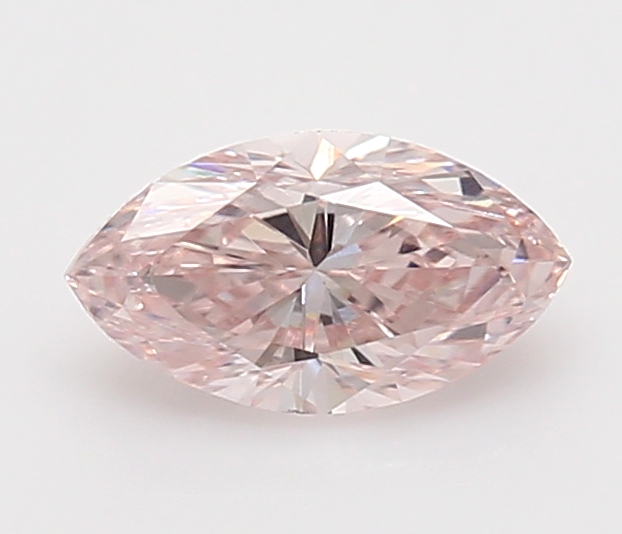
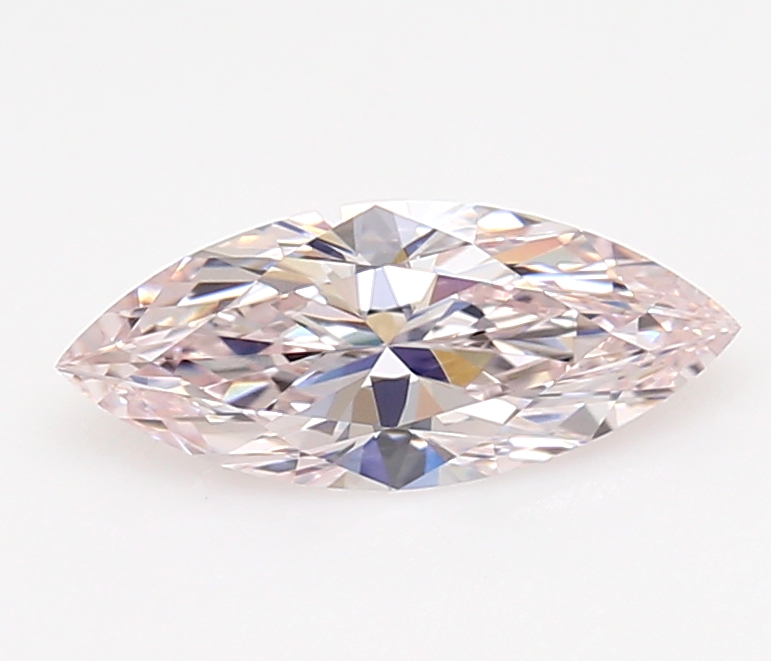
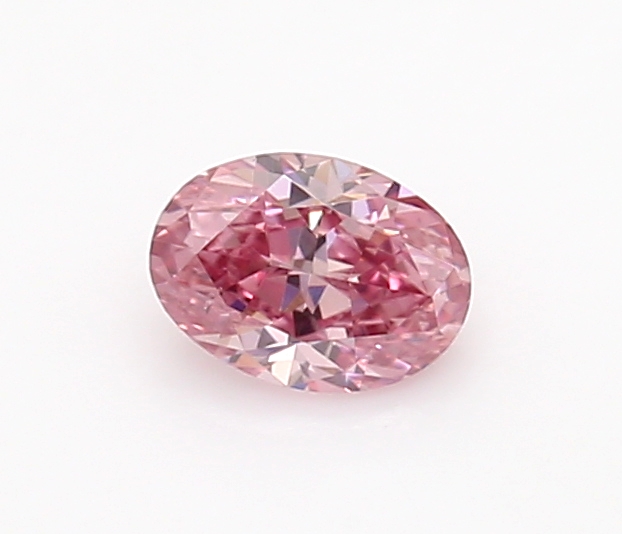
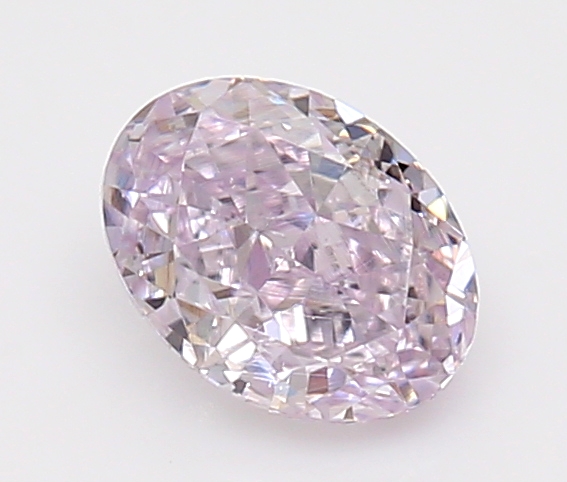
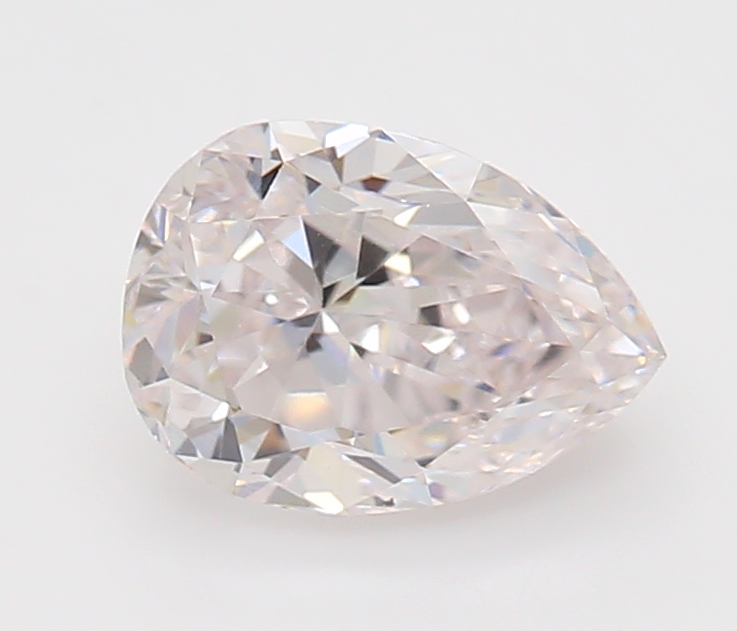
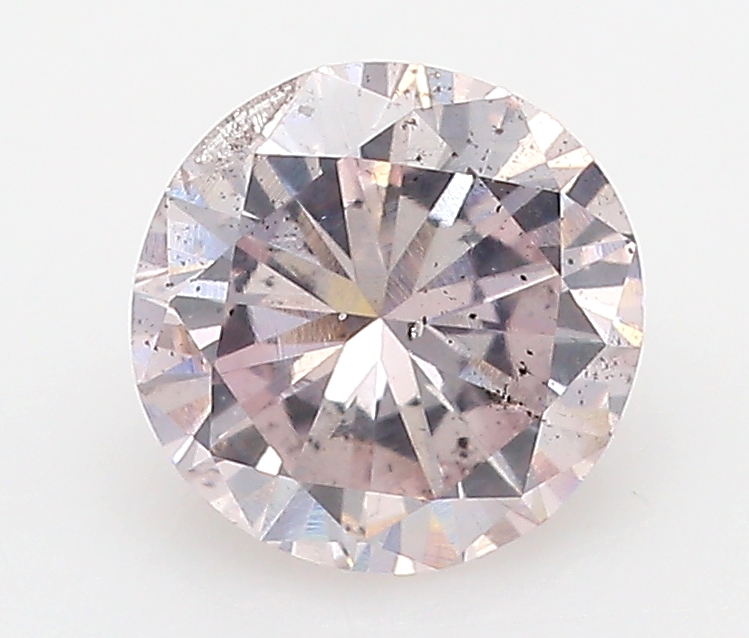
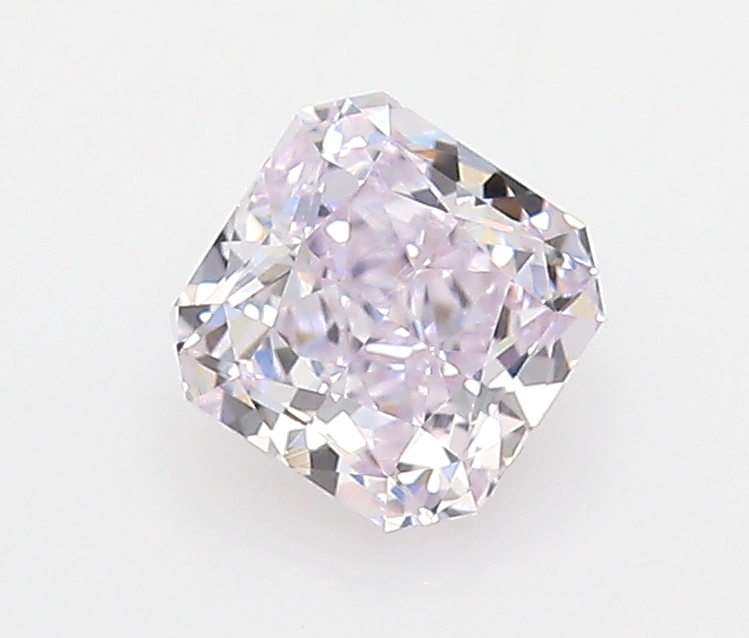
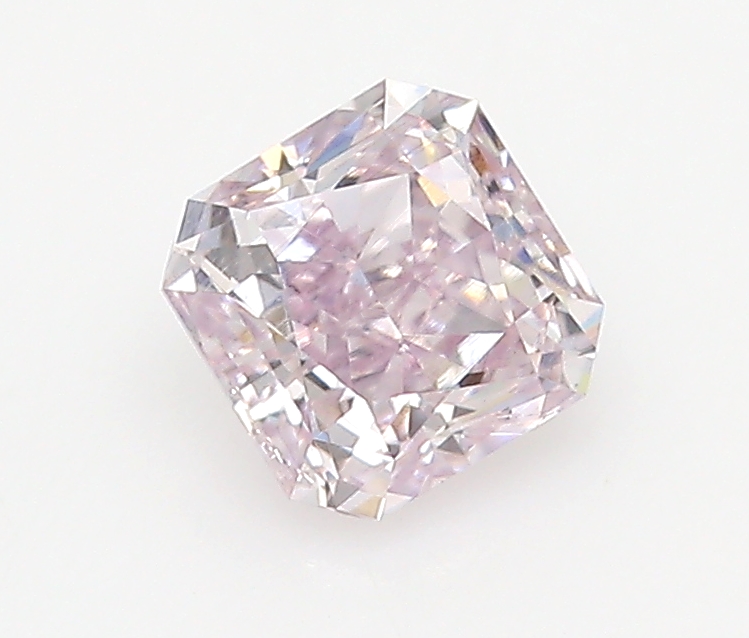
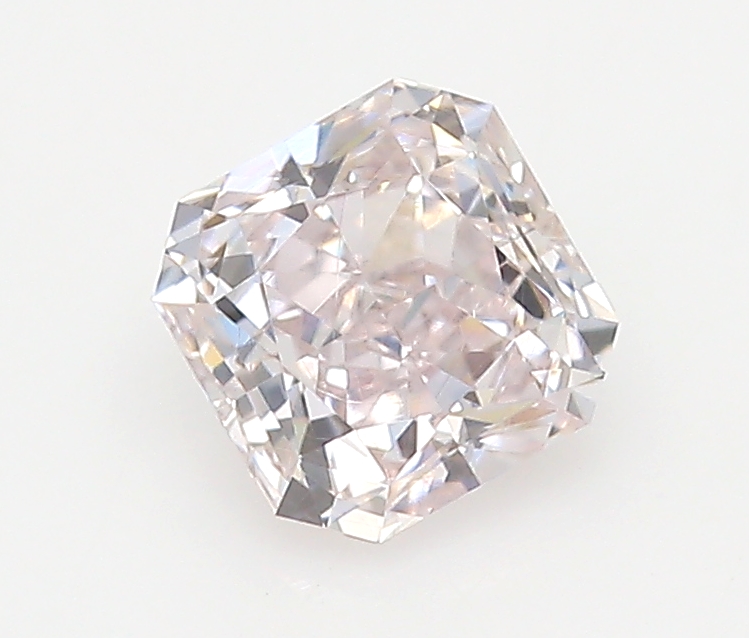
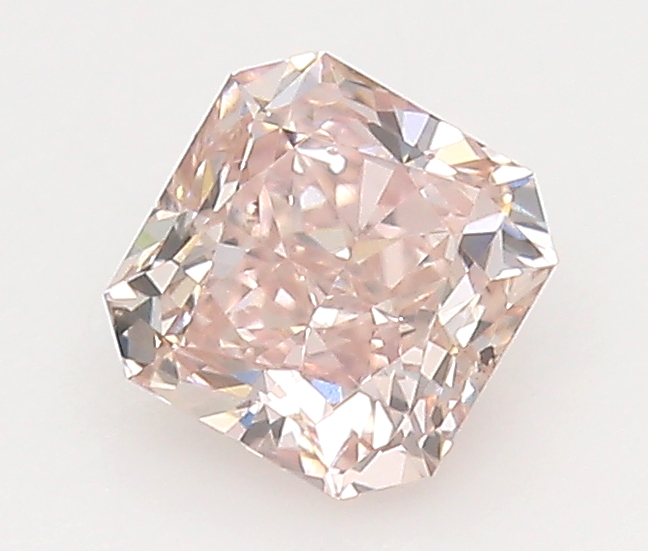
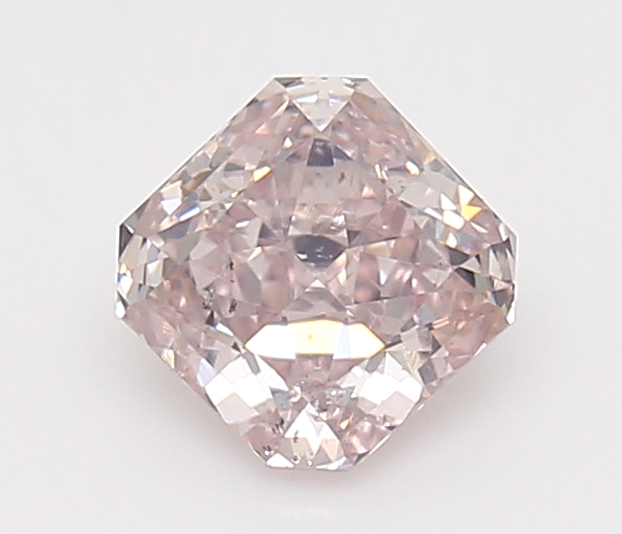
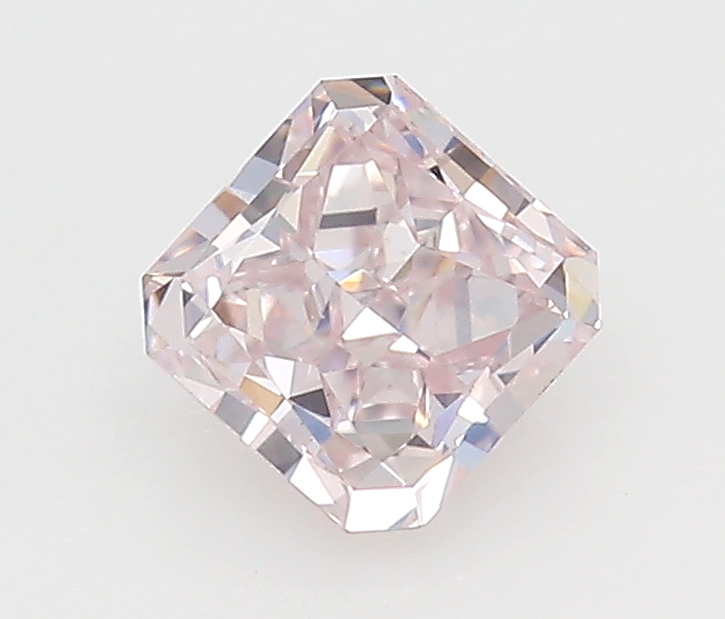
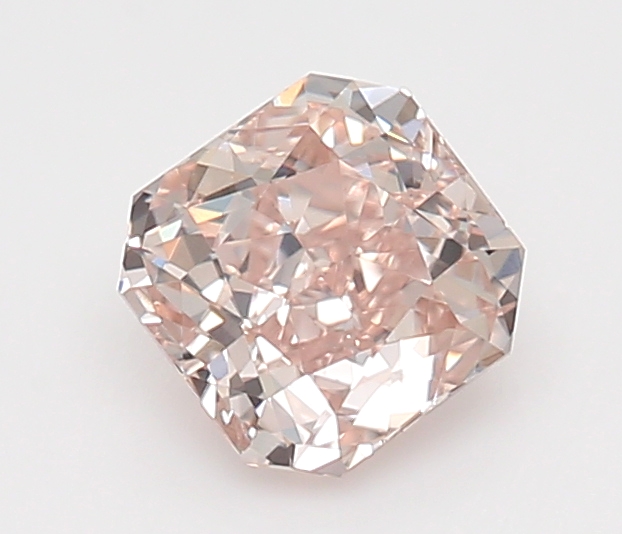
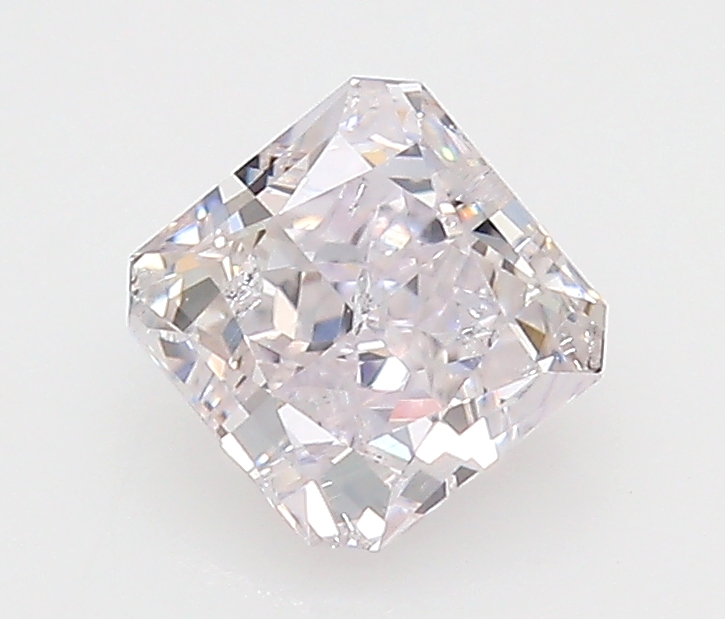
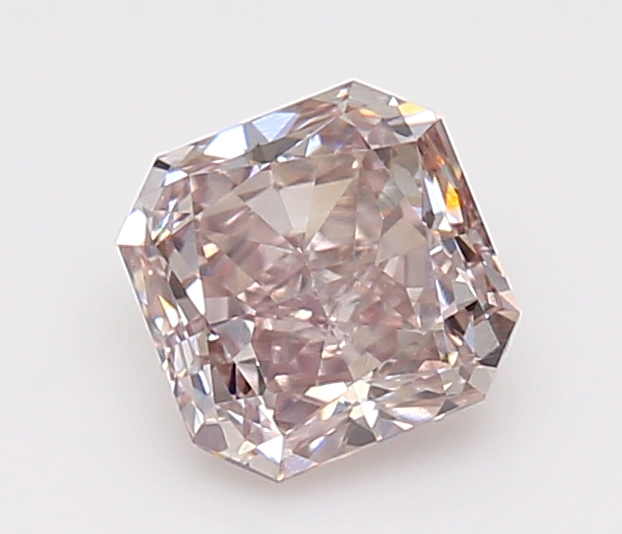
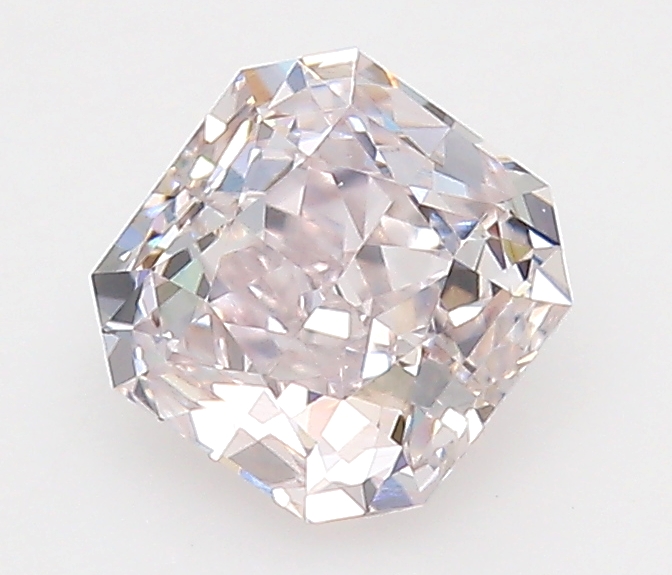
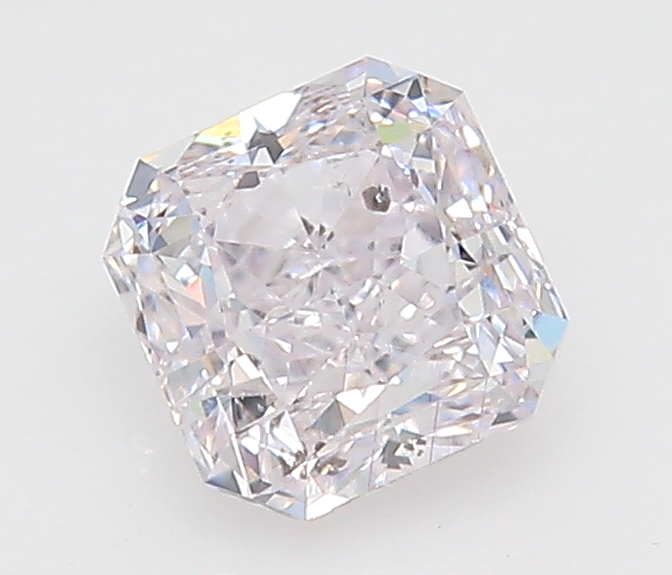
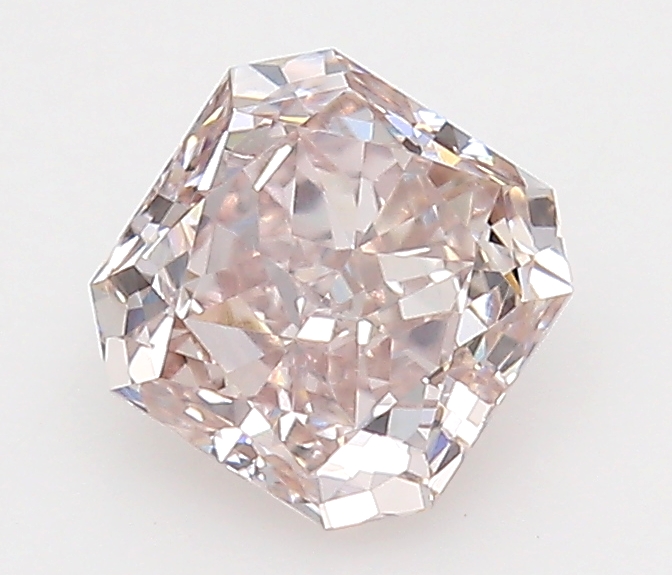
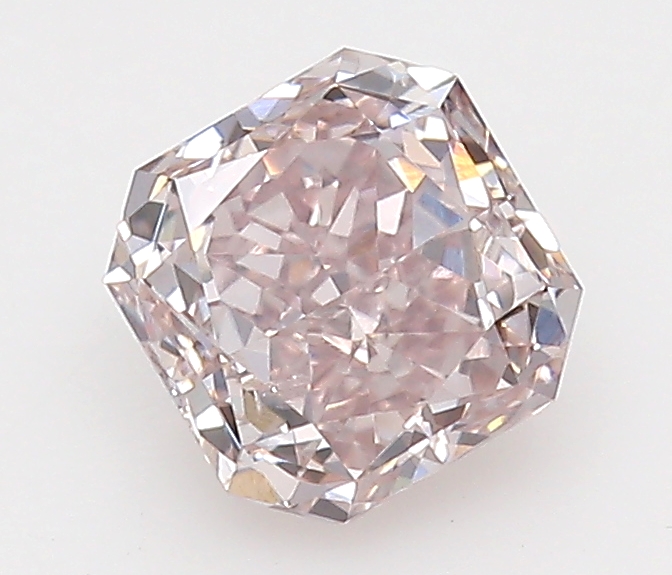
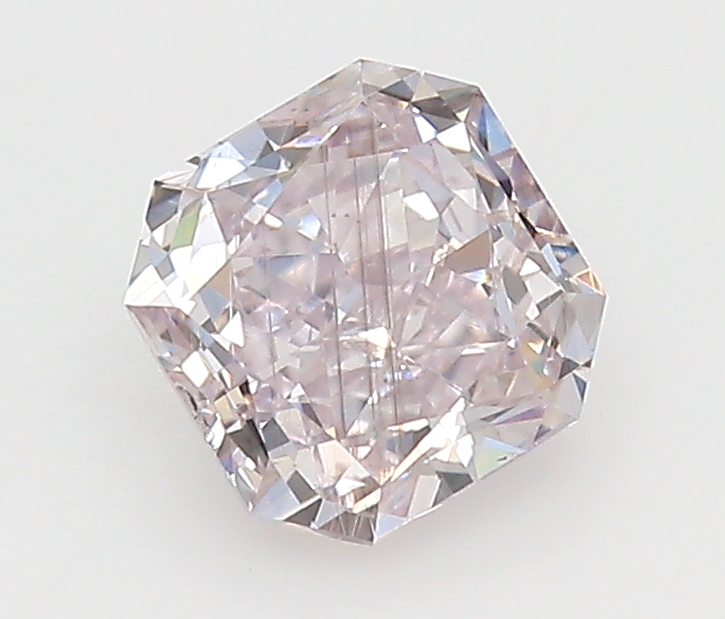
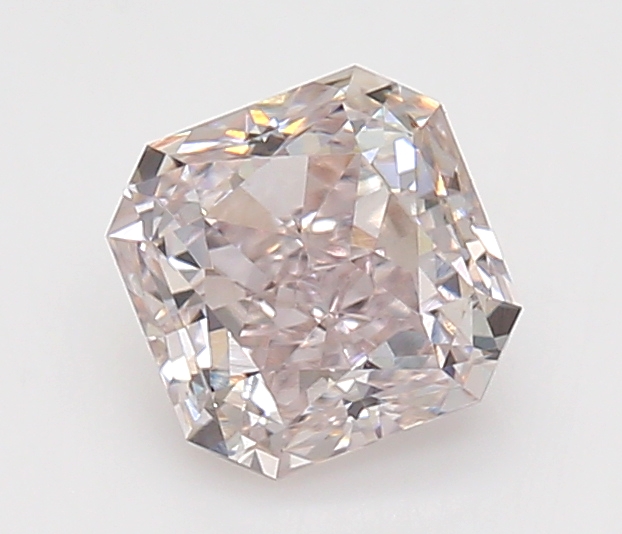
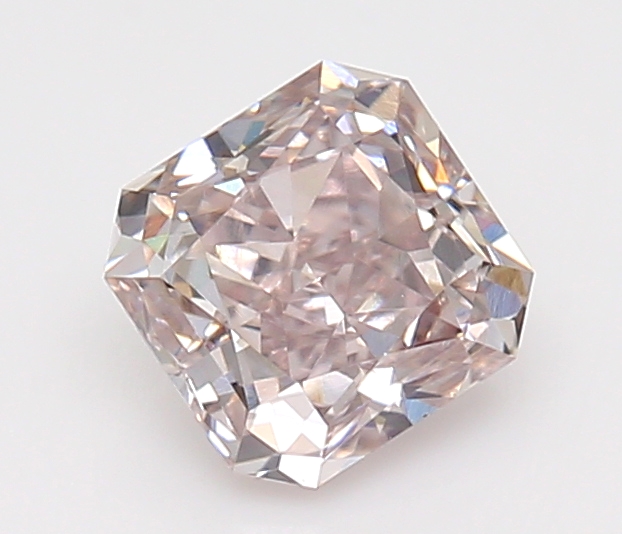
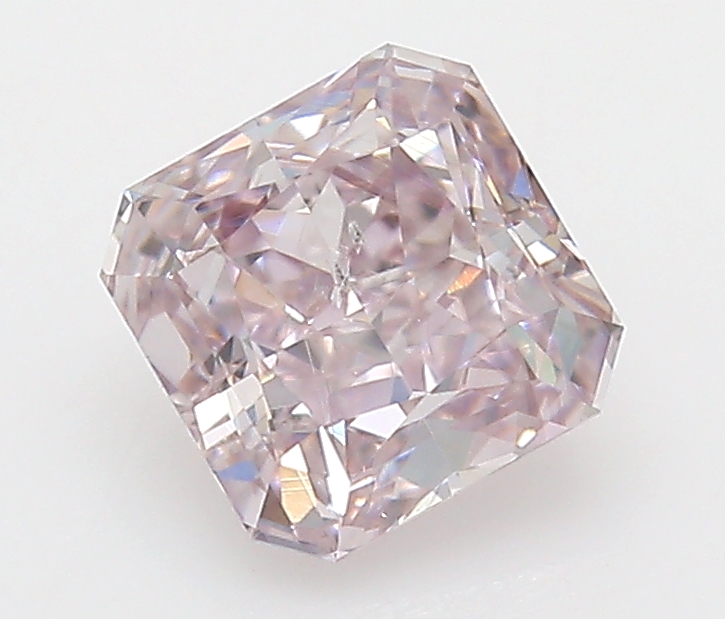
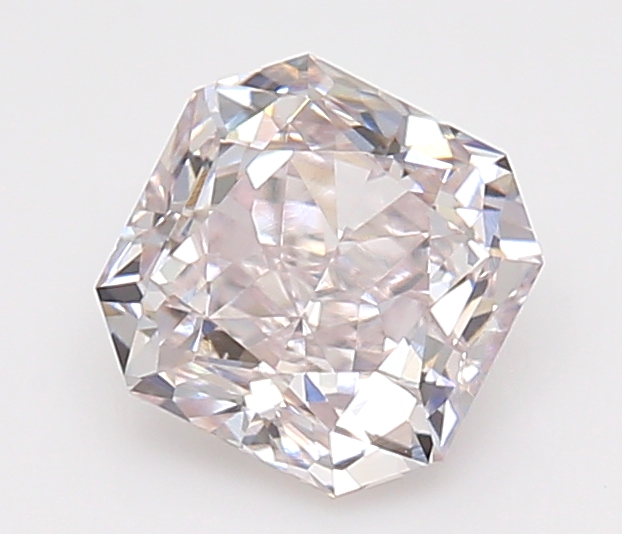
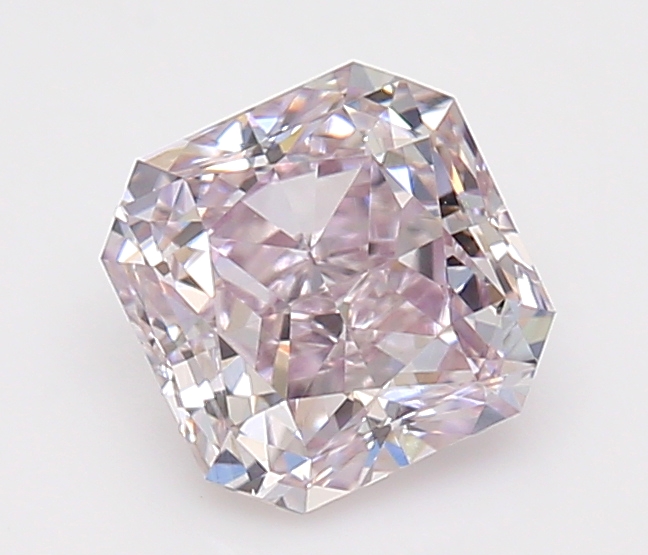
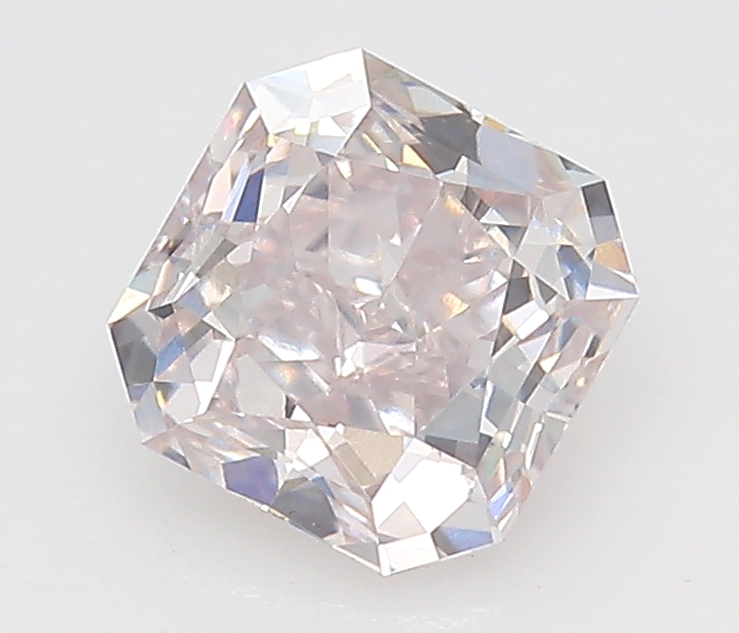
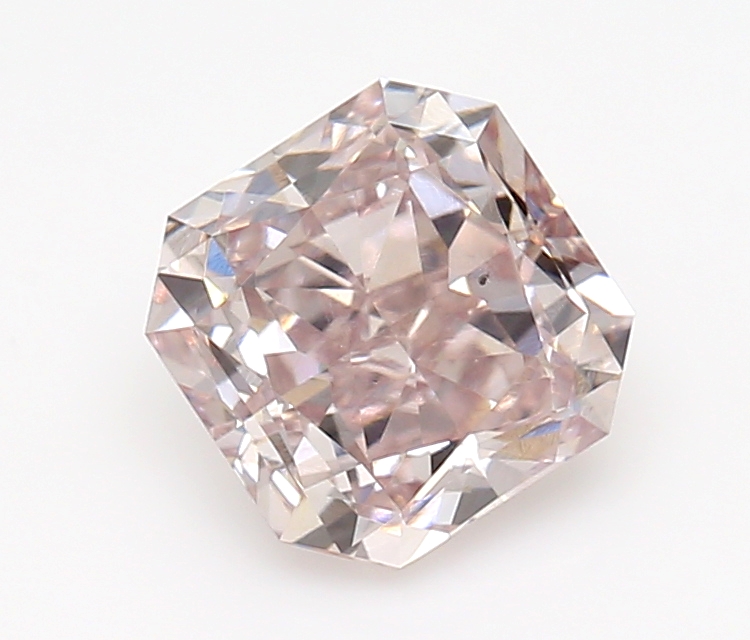
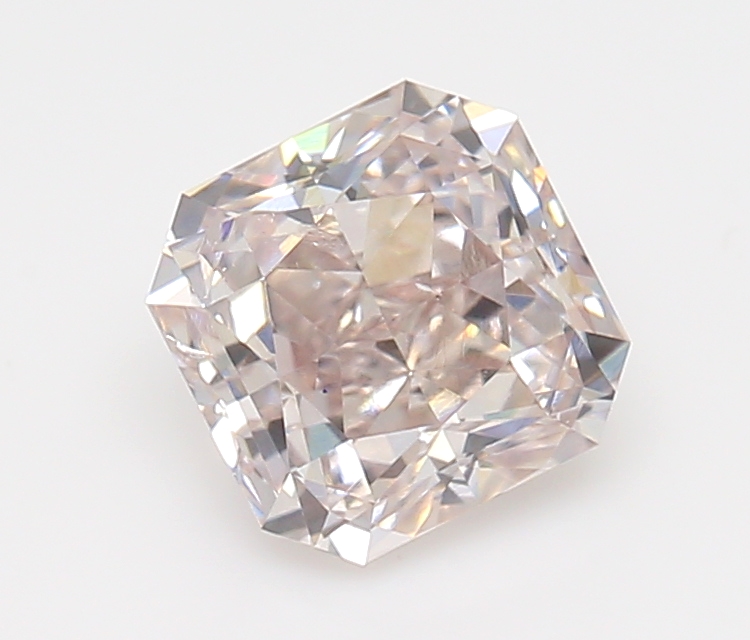
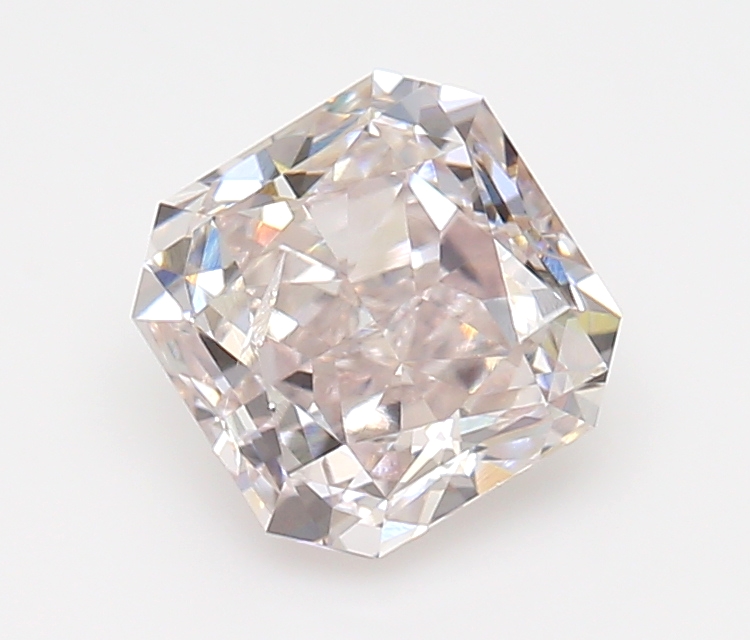
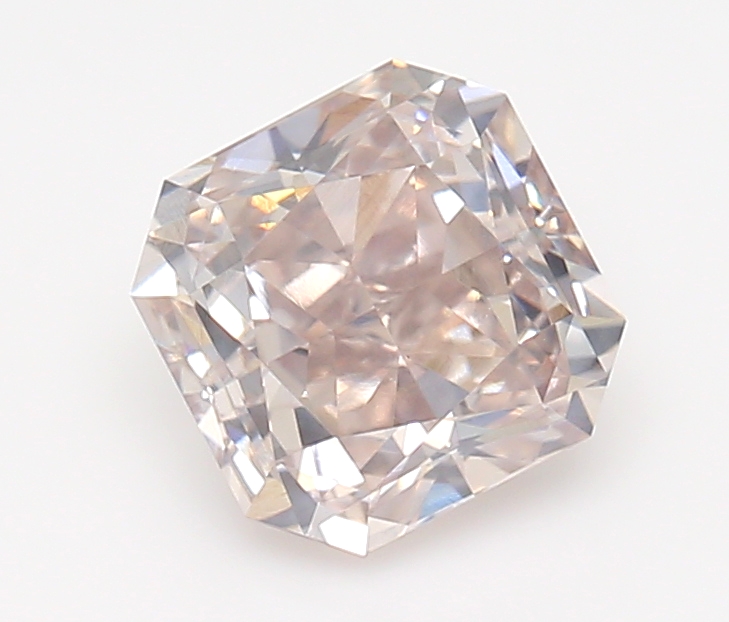
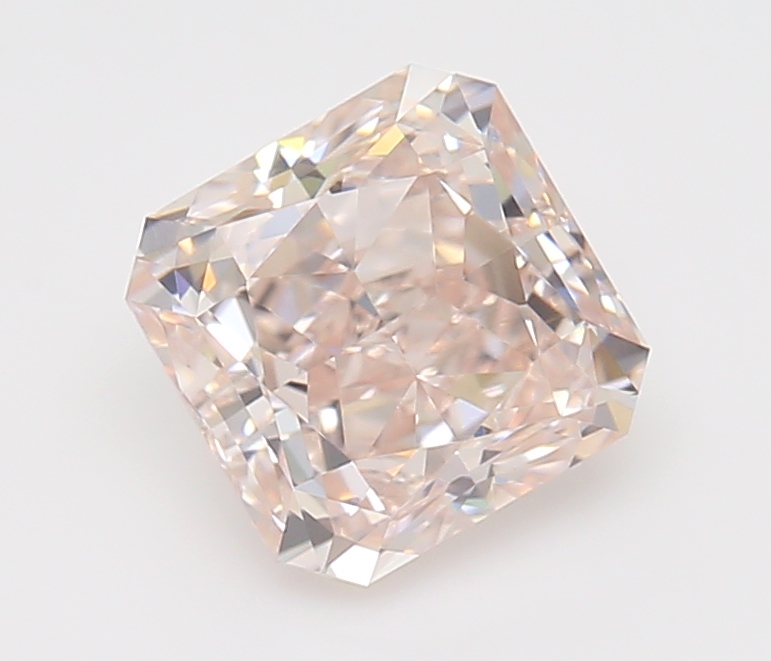
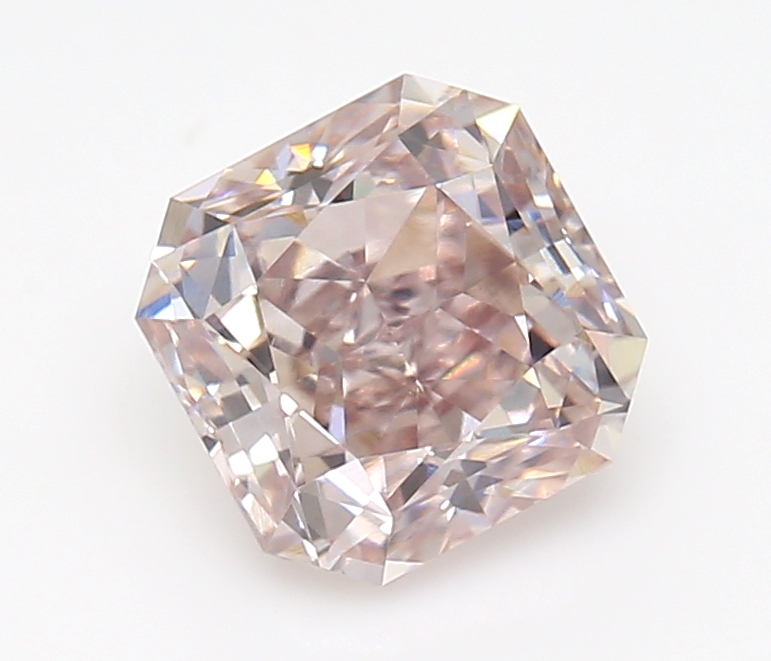
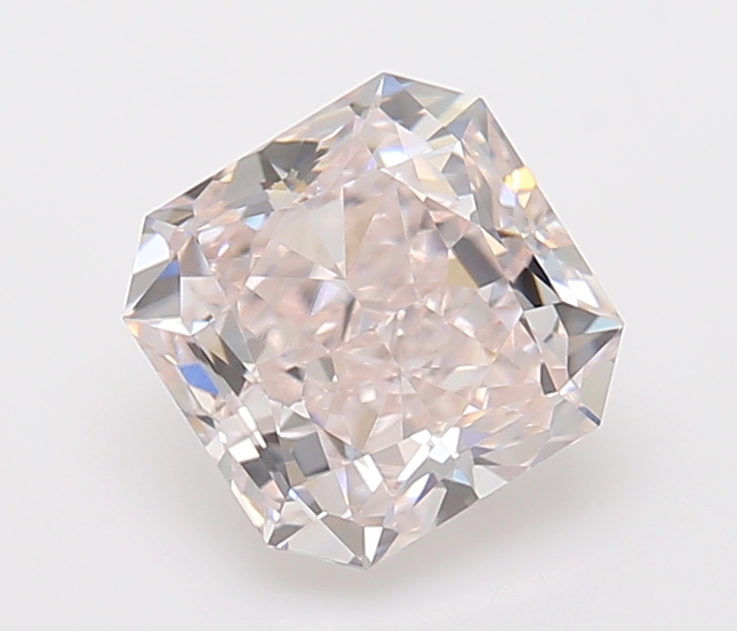
Fancy Pink Diamonds — The most emotionally compelling colour in the market, and one of the most technically demanding to source correctly. Since the Argyle mine closed in 2020, supply has tightened permanently. Secondary hue, saturation, and cut orientation all require physical evaluation before any pink is confirmed.
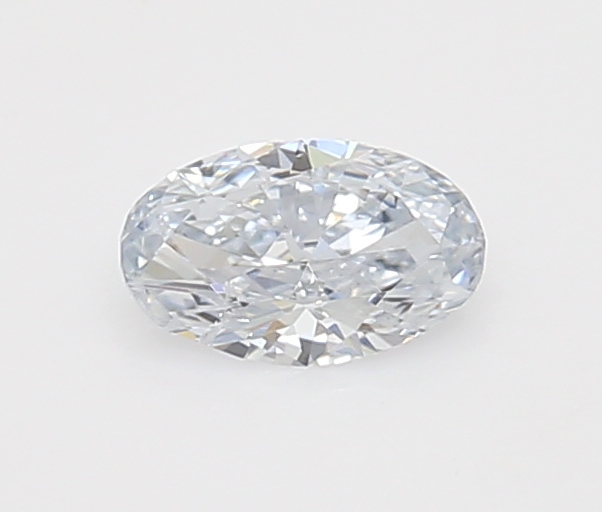
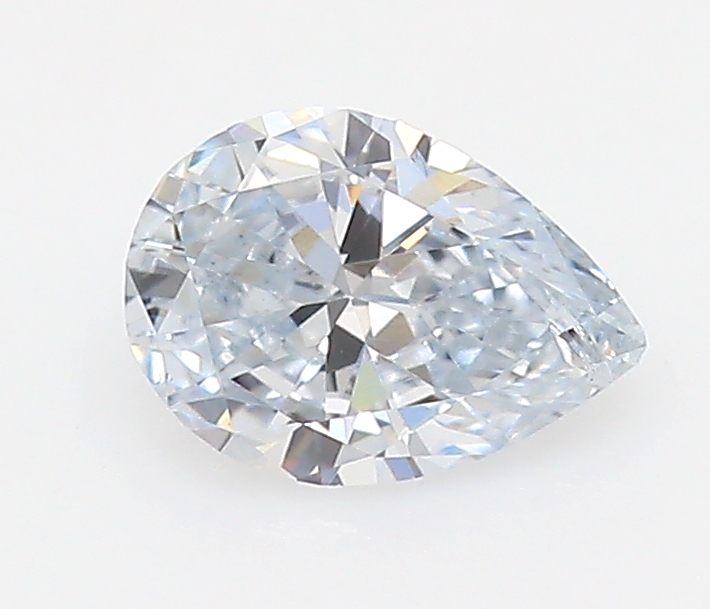
Fancy Blue Diamonds — The rarest colour at commercially meaningful saturation. Blue derives from boron, making it structurally scarce rather than simply uncommon. Tone, secondary hue, and cut orientation interact in ways the certificate cannot capture. Every blue we supply is evaluated for genuine face-up performance, not just graded.
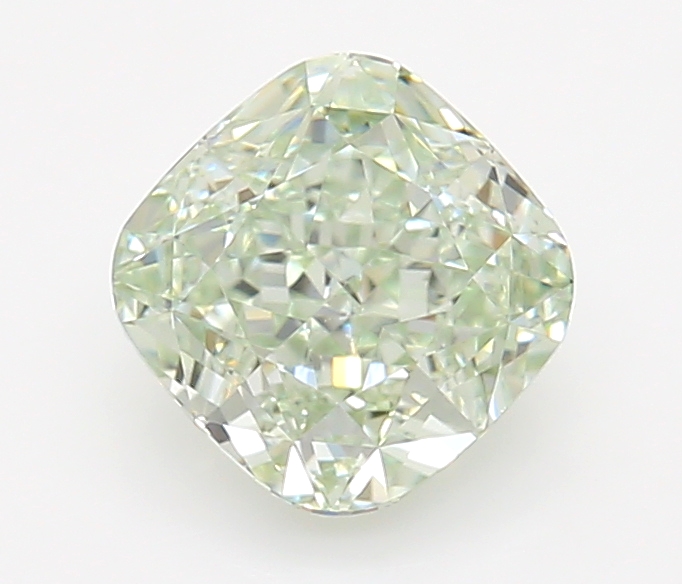
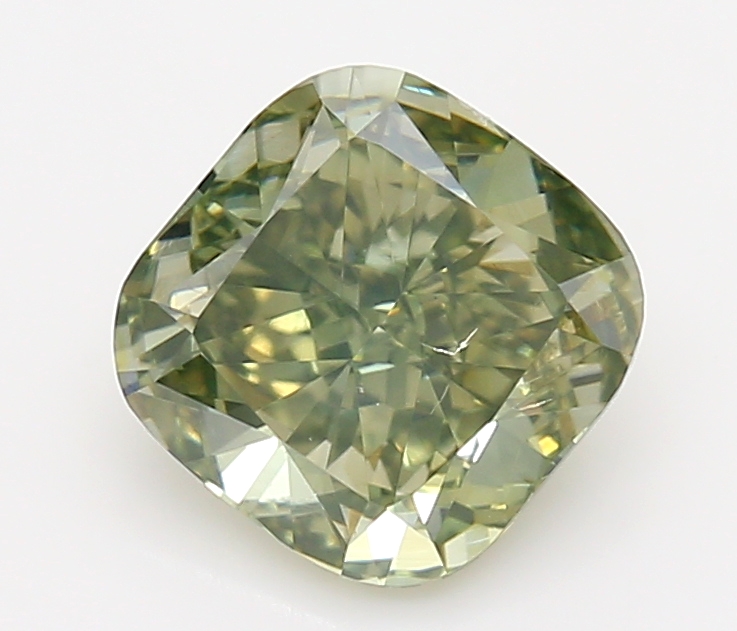
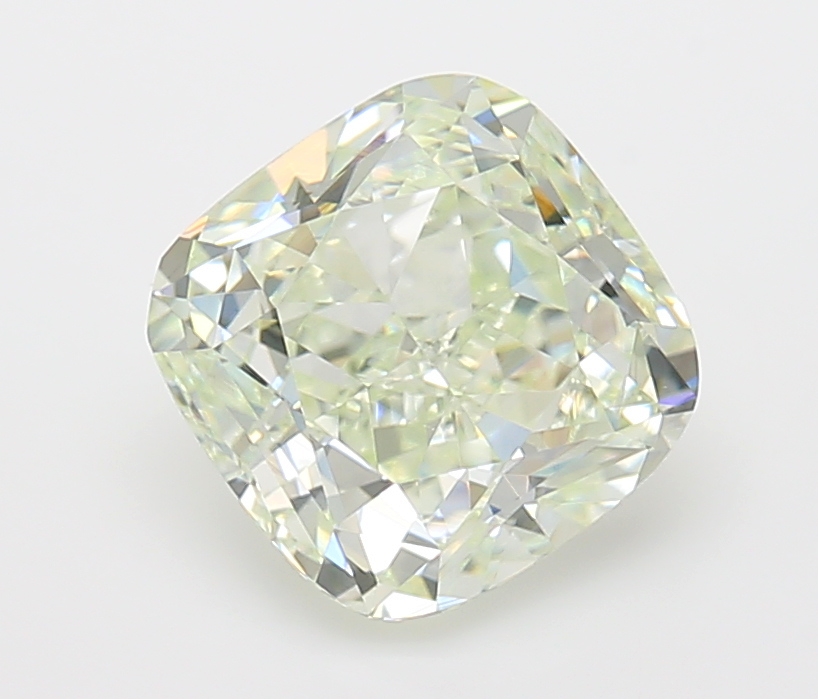
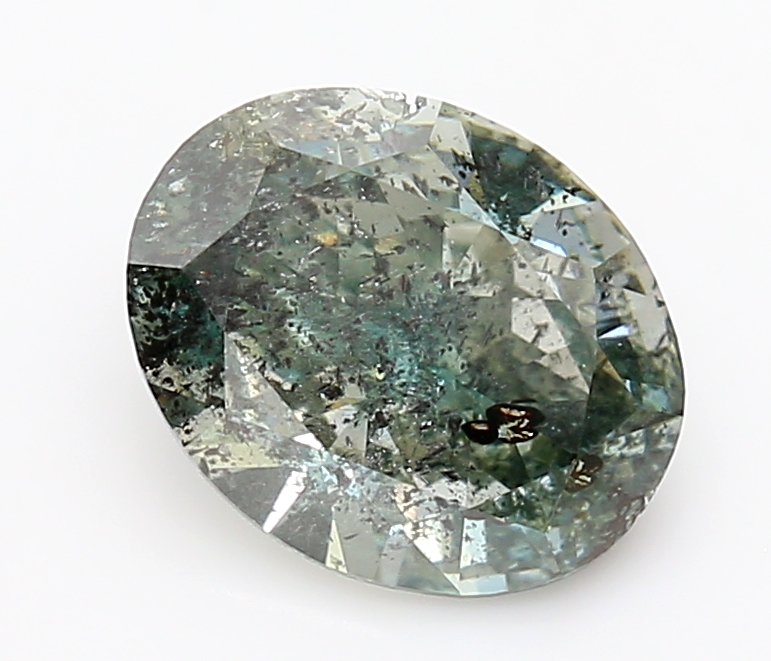
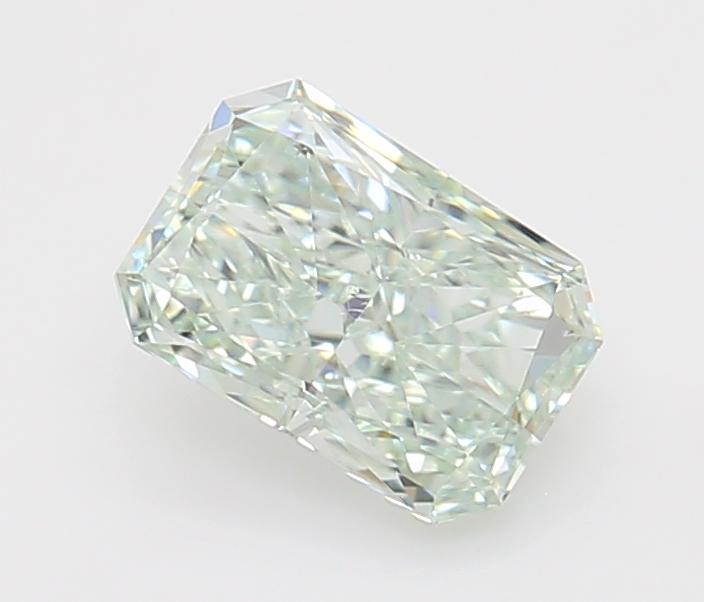
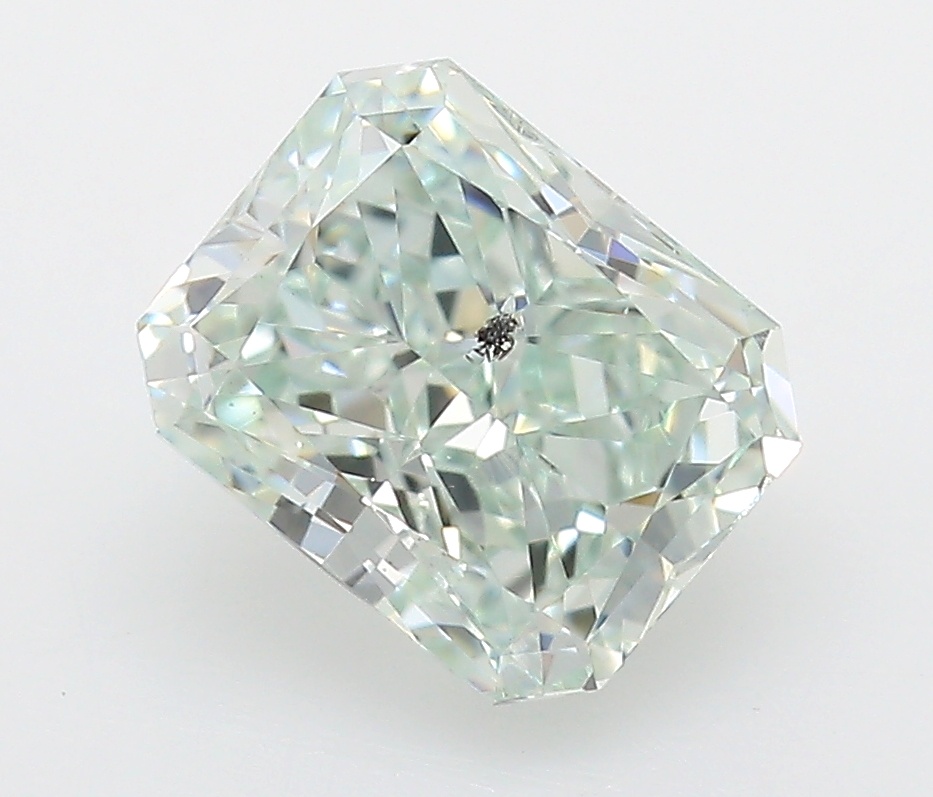
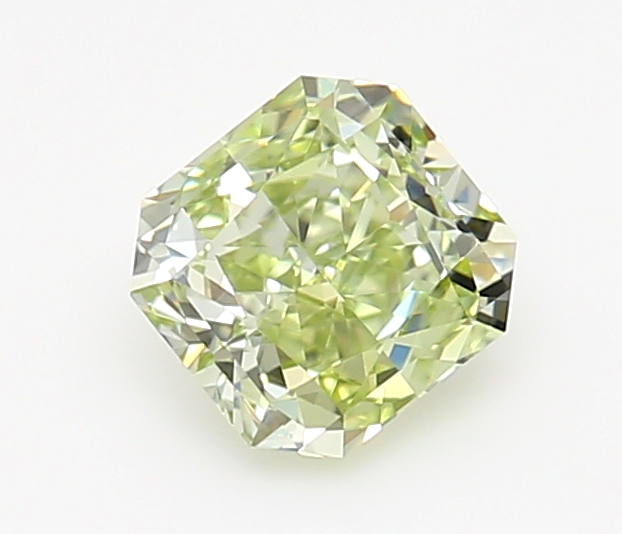
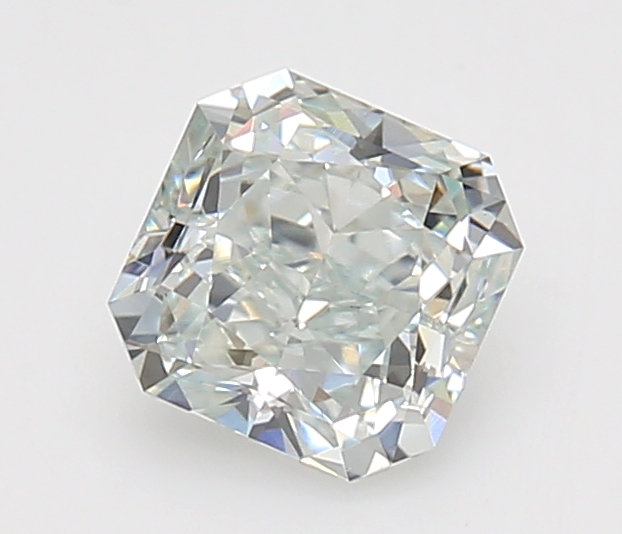
Fancy Green Diamonds — The most misunderstood colour in the fancy diamond market, and the most technically complex to authenticate. Natural radiation exposure and laboratory irradiation treatment can produce visually identical green. We supply only confirmed natural colour origin stones, verified by GIA’s most specialised analysis.
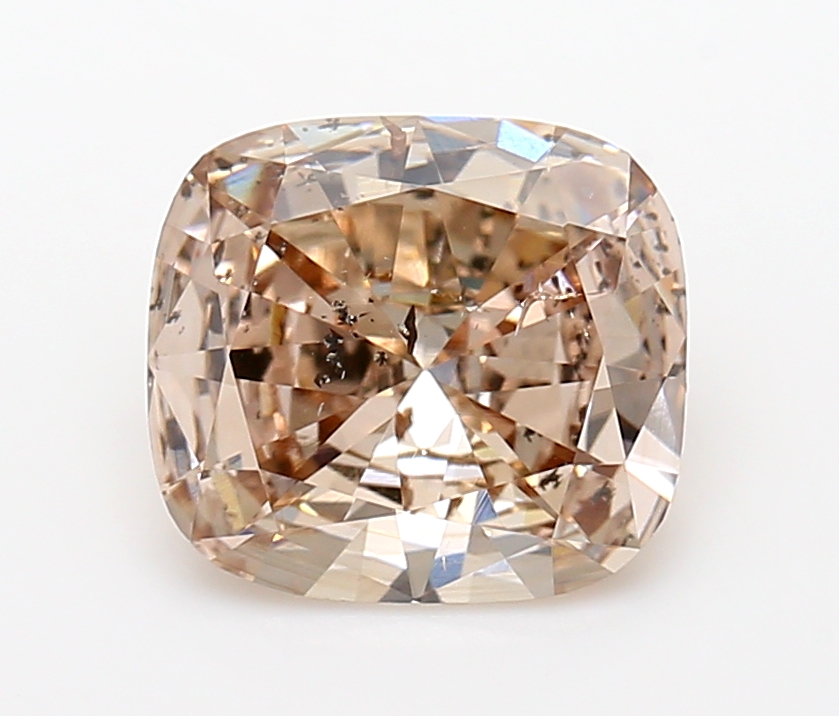
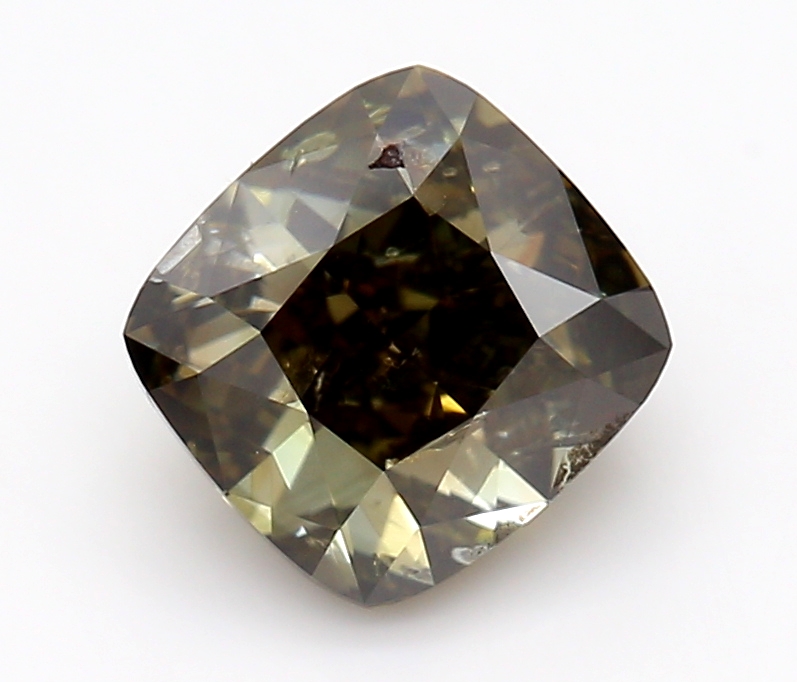
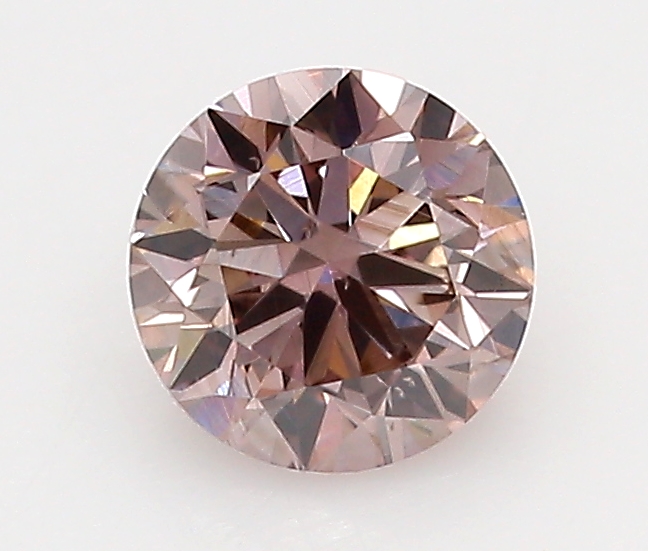
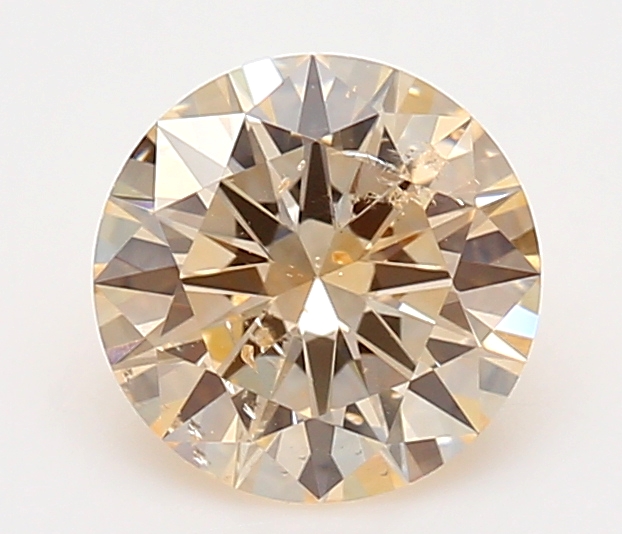
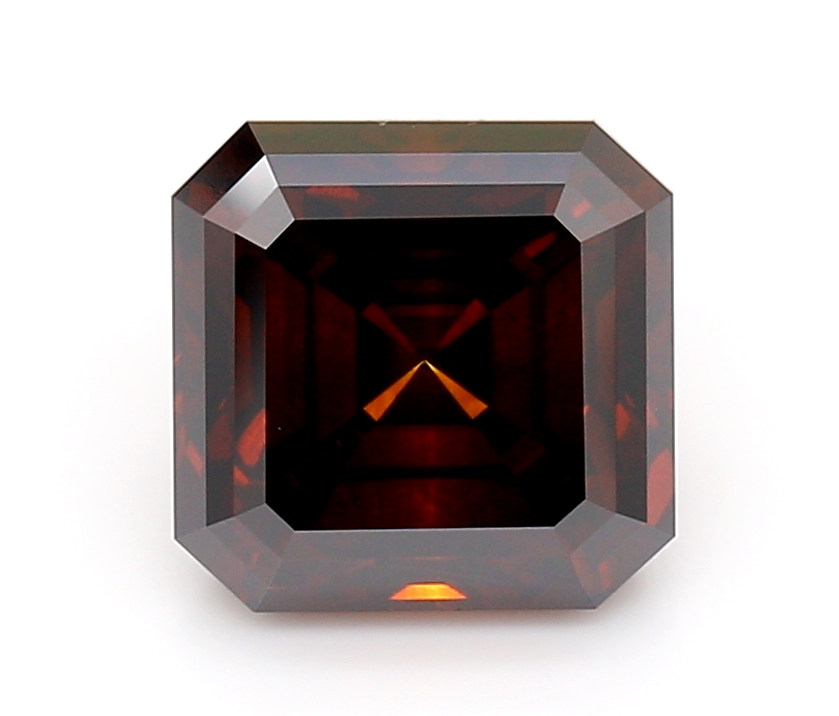
Fancy Brown Diamonds — The most underrated colour in the trade. Champagne, cognac and chocolate are not GIA grades — they are trade terms describing specific positions on the brown spectrum that have built genuine commercial demand. A well-sourced brown diamond offers a warmth and richness that neither colourless nor more saturated fancy colours replicate.
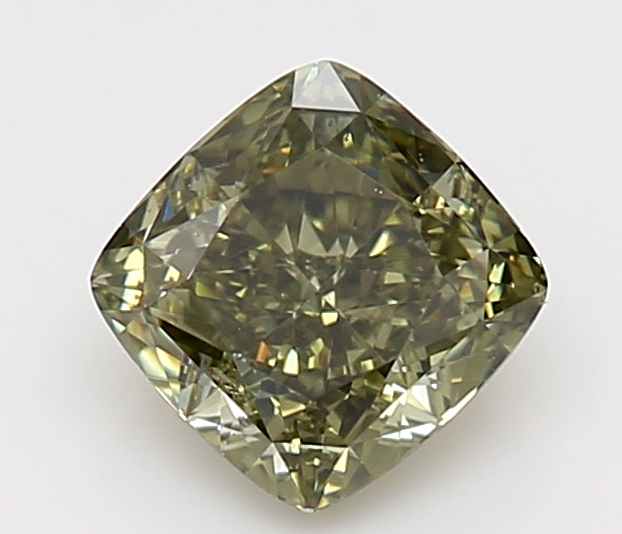
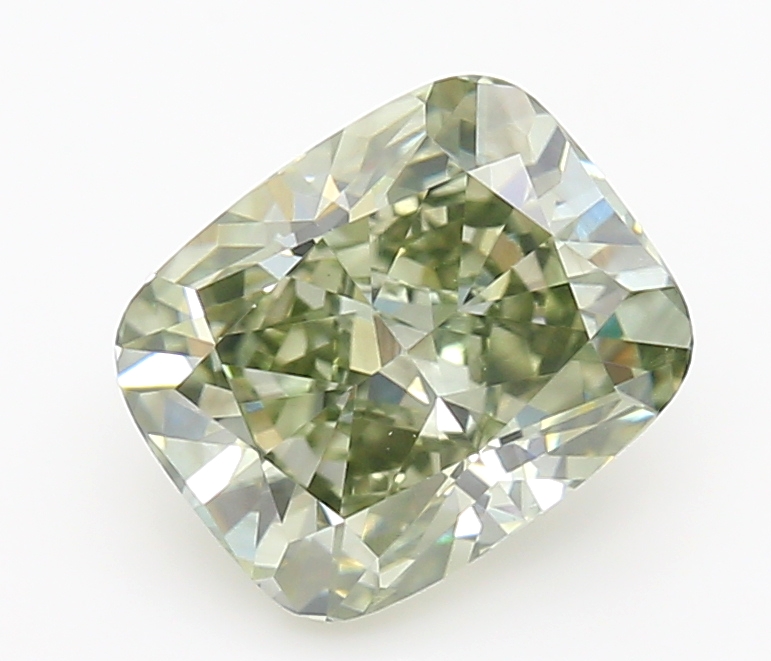
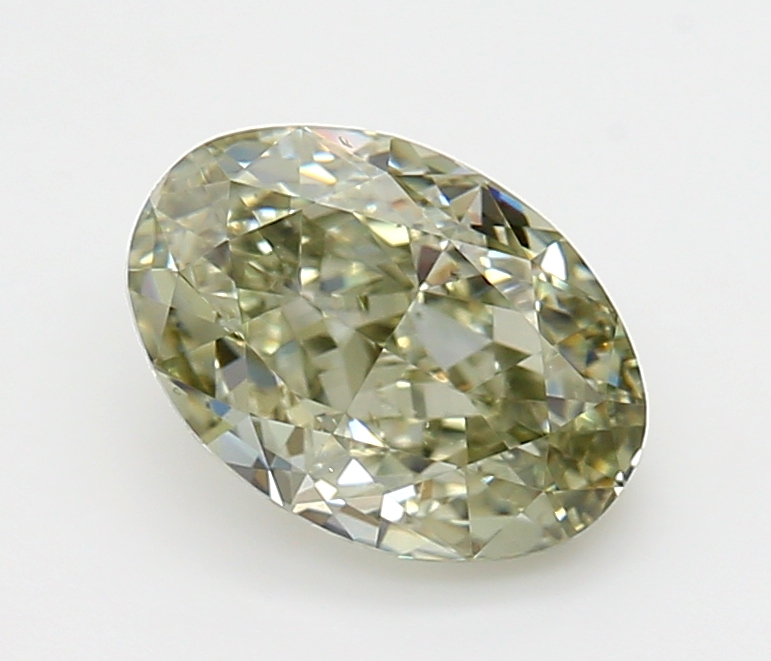
Chameleon Diamonds — The only diamond that performs. A confirmed natural chameleon shifts from a stable olive green to vivid yellow under gentle heat or after dark storage, reverting in the light within moments. The phenomenon has never been reproduced by treatment. Every chameleon we supply has been physically observed through its colour-change cycle before being offered.
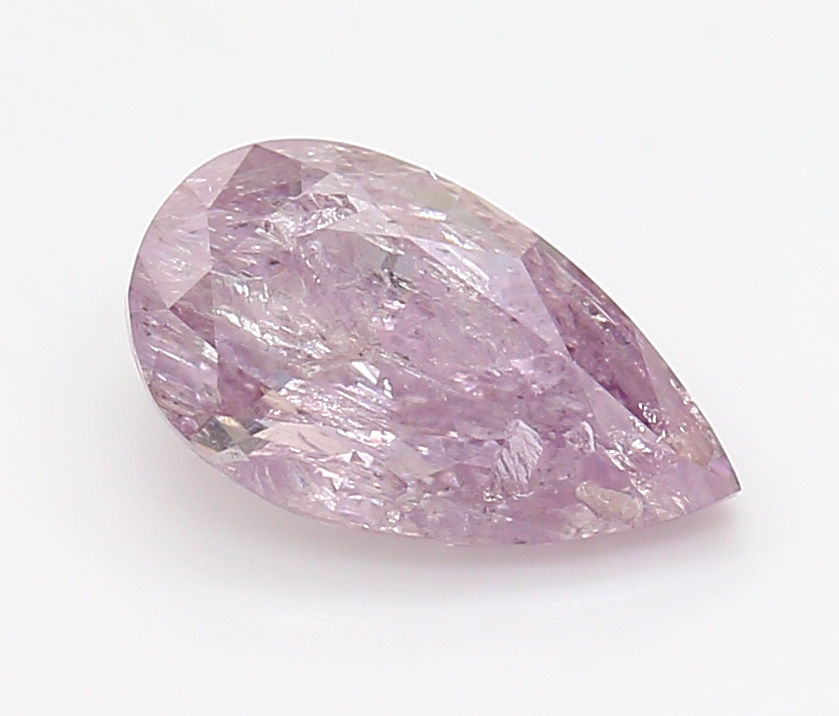
Fancy Purple Diamonds — One of the rarest pure fancy colours, frequently misidentified by buyers who have not handled enough of them. True purple-dominant stones are a different and much scarcer proposition than purplish pink, and sourcing them correctly requires direct experience with the colour rather than transferred knowledge from adjacent categories.
Fancy Orange Diamonds — Pure, unmodified orange with no secondary hue is genuinely scarce. The overwhelming majority of what the market calls orange carries a brownish or yellowish modifier. Reading which one you are actually holding — and what it is worth — requires more than the certificate description.
Fancy Gray Diamonds — The quiet colour with a growing following. Gray’s appeal is its cool, understated sophistication rather than vivid saturation, and sourcing it well requires understanding which secondary hue — bluish, greenish, or brownish — a specific market and design context actually calls for.
Red Diamonds — The rarest category in the natural diamond trade. GIA designates genuine natural reds as Fancy Red with no light-to-vivid scale above or below it. The population of known gem-quality natural reds is estimated at under a hundred stones. Annual supply reaching the open market is measured in single digits. We source red diamonds on mandate through specialist and collector networks.
Violet Diamonds — The colour that sits between blue and purple, and the category most buyers have never properly sourced. Associated with hydrogen-related defects in the crystal structure and historically concentrated in Argyle’s specific production, genuine violet at meaningful saturation is rarer than most buyers appreciate. We source and evaluate against a two-generation reference for what genuine violet looks like in hand.
Black Diamonds — The category that operates furthest from every conventional fancy diamond framework. Natural and treated black diamonds are not equivalent, and understanding which type you are acquiring — and representing it correctly at every level of the chain — is the foundational discipline of black diamond sourcing. We supply both, with full disclosure of material type on every stone we offer.
Argyle Diamonds — The mine closed in 2020, and no new Argyle goods will ever enter the trade. Every fine Argyle pink, violet, and red in existence today is one of a permanently finite population. Provenance documentation is what separates a verified Argyle diamond from a claim. We supply documented goods only, with the paper chain verified before any provenance is represented.
Pairs and Layouts — Where Coloured Diamond Sourcing Gets Precise
Single fancy colour diamonds are complex to source well. Matched pairs and multi-stone layouts are exponentially more so. Colour matching in fancy diamonds is not just about grade — it is about hue, saturation, and how two stones read against each other under the same light source. Two stones carrying identical GIA grades in the same colour can display different secondary hues or saturation depths that become immediately visible once they are set side by side.
At Raremonds, matched pairs and graduated layouts in every fancy colour are evaluated stone by stone, side by side, under consistent lighting before they leave us. We match not just the grade but the colour temperature, the secondary hue, the face-up appearance, and the cut profile. This is the standard that two generations of coloured diamond expertise makes possible — and it is the standard your collections deserve.
The Raremonds Advantage
Raremonds has been sourcing, evaluating, and supplying natural fancy colour diamonds since 1985, across the full spectrum from commercially accessible yellows and browns through to the ultra-rare categories including red, violet, and chameleon. Our coloured diamond expertise spans single centrepiece stones, calibrated pairs for fine jewellery, graduated suites for high jewellery collections, and bespoke layouts for brands requiring colour consistency across an entire line.
Every fancy colour diamond we supply has been physically evaluated. Every pair has been matched in person. Every layout has been assessed for colour consistency, cut performance, and face-up appearance in the setting context you specify.
If you are building a collection around natural fancy colour diamonds, send us your specification — colour, intensity preference, carat range, and quantity — and we will respond within 24 hours with options that have been evaluated, not just listed.



.png)